
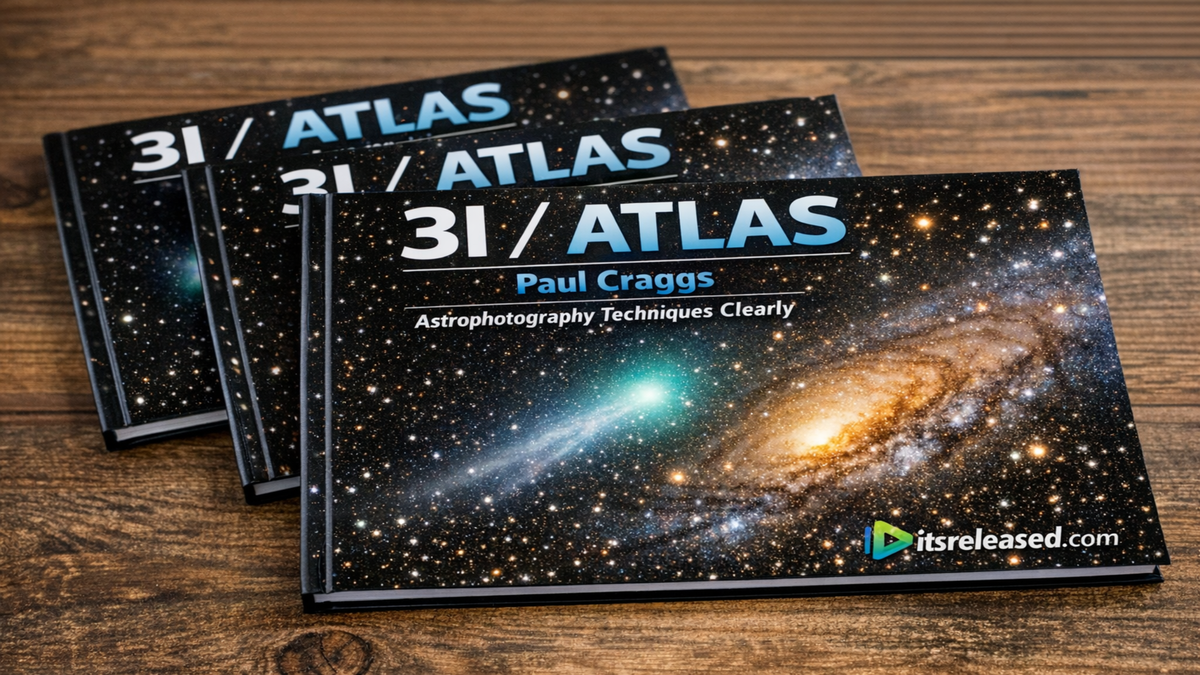
I approach astrophotography as both a technical craft and a patient form of visual storytelling, and that perspective is essential when discussing 3I/ATLAS Paul Craggs Astrophotography. This keyword reflects more than a single image or object. It represents a methodical approach to capturing faint celestial bodies using long exposure discipline, precise tracking, and careful post-processing. My focus here is not on copying data or repeating catalog facts, but on explaining how this style of astrophotography works, why it matters, and what makes it distinct.
Astrophotography at this level demands restraint. It rewards preparation over impulse and favors accuracy over spectacle. Through the lens of Paul Craggs’ work, particularly under the 3I/ATLAS observational context, I explain how modern sky surveys intersect with individual astrophotographers. This article explores techniques, equipment philosophy, imaging workflows, and the scientific value of well-executed amateur observations.
Rather than short answers or fragmented tips, I develop each section in depth so readers understand the full process from sky selection to final image calibration. This makes the article useful for learners, hobbyists, and technically curious readers alike.
Understanding 3I/ATLAS in Astrophotography

3I/ATLAS refers to an observational framework associated with wide field sky monitoring. In astrophotography, this context emphasizes detection, tracking, and visual confirmation rather than decorative imaging. The goal is clarity of faint objects against a noisy sky background.
This style of imaging relies on accurate timing and repetition. Astrophotographers working in this space often image the same region across multiple nights, stacking exposures to reveal subtle motion or brightness variation. The technique demands patience because results are cumulative rather than immediate.
Unlike planetary imaging, which benefits from short bursts and lucky frames, ATLAS-style targets require long integrations and disciplined calibration. This makes it a proving ground for technical mastery.
Paul Craggs and His Imaging Philosophy
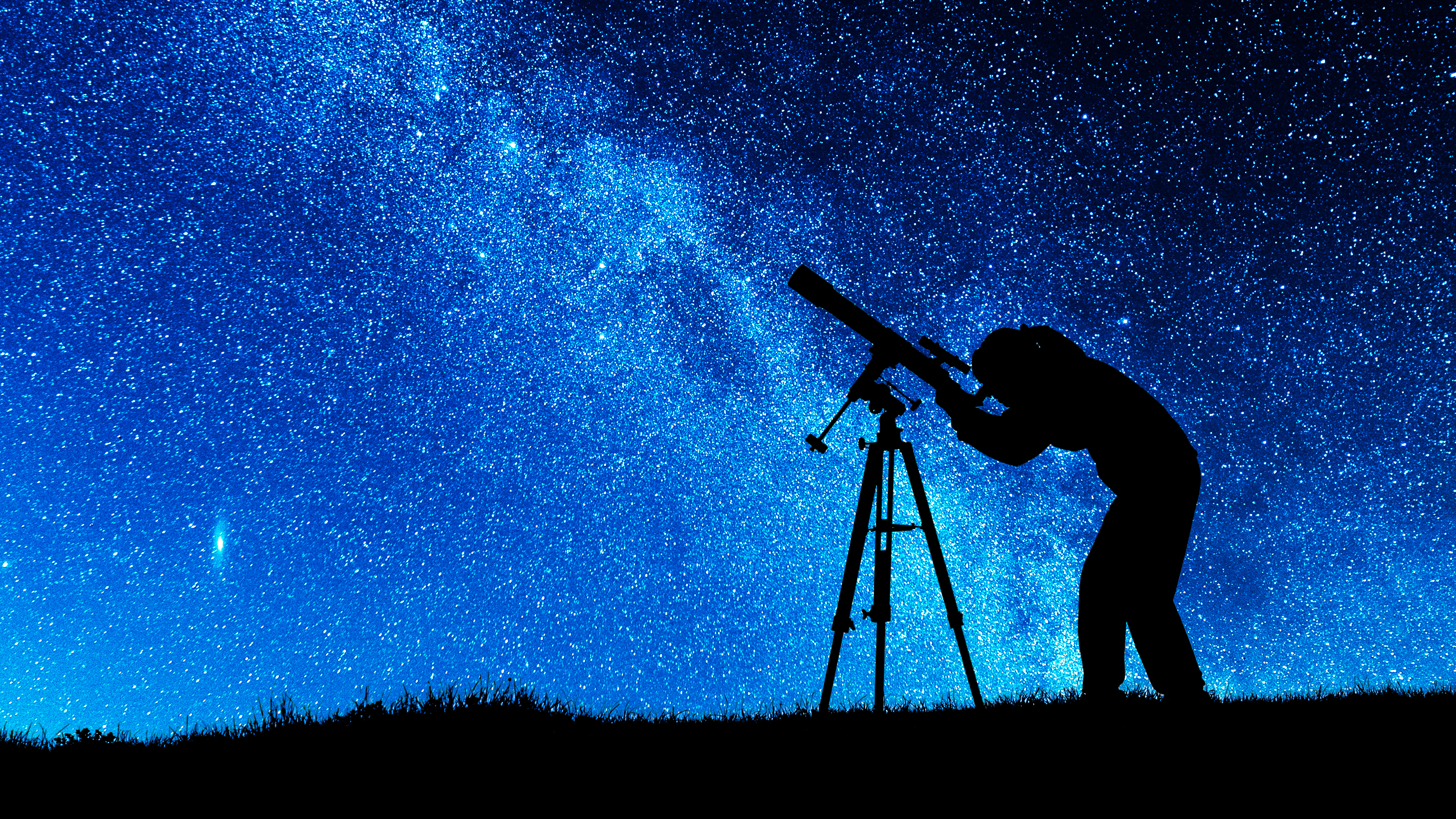
The work associated with Paul Craggs reflects a quiet but rigorous philosophy. His images emphasize accuracy, scale, and context. Rather than isolating objects dramatically, he often frames them within star fields to preserve astronomical meaning.
This approach treats astrophotography as observational documentation. Each image serves as a visual data point rather than a purely artistic statement. Exposure choices, framing, and processing decisions are guided by what the sky actually presents.
Such discipline is increasingly rare in an era dominated by aggressive enhancement. Craggs’ work demonstrates restraint, which is technically harder than exaggeration.
Equipment Choices and Their Role

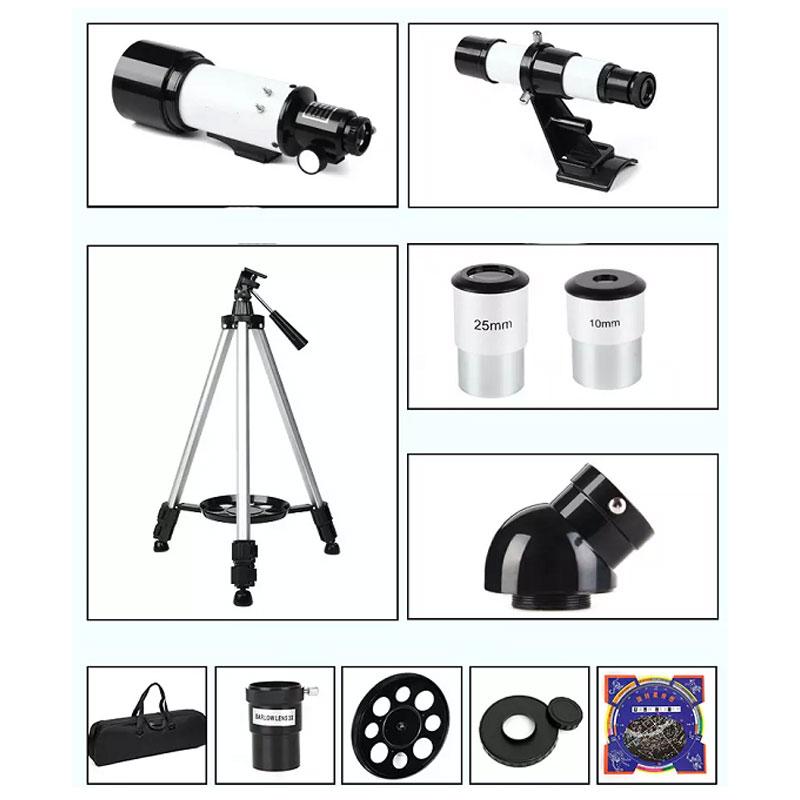
Astrophotography in the 3I/ATLAS context does not require exotic gear, but it demands reliable gear. Precision equatorial mounts are essential because tracking errors compound across long exposures. Stability matters more than aperture.
Cooled monochrome cameras often outperform color sensors in this workflow due to lower noise and higher sensitivity. Filters isolate wavelengths, allowing better contrast control during processing.
The imaging train must remain consistent. Small mechanical shifts can invalidate calibration frames, which is why experienced astrophotographers favor simplicity over constant modification.
Sky Planning and Object Selection
Astrophotography begins long before nightfall. Sky planning involves selecting targets based on altitude, moon phase, atmospheric conditions, and seasonal visibility. For 3I/ATLAS-style imaging, timing is critical.
Targets are often faint and slow-moving. Imaging them requires careful scheduling to avoid light pollution gradients and atmospheric distortion. Many sessions are abandoned midway when conditions degrade.
This willingness to stop rather than compromise quality is a hallmark of disciplined astrophotography.
Exposure Strategy and Data Collection

Long exposure astrophotography relies on cumulative signal. Individual frames may appear unimpressive, but stacking dozens or hundreds reveals structure. Exposure length balances sky brightness against sensor noise.
Calibration frames play a critical role. Dark frames remove thermal noise, flats correct optical imperfections, and bias frames normalize readout patterns. Skipping these steps reduces scientific reliability.
In ATLAS-style imaging, clean data matters more than dramatic color.
Image Processing Philosophy
Processing astrophotography is an act of interpretation, but restraint defines quality. The goal is to reveal signal without inventing structure. Linear processing preserves faint detail, while careful stretching brings visibility without distortion.
Color calibration remains conservative. Star colors are maintained rather than exaggerated, preserving astrophysical accuracy. Noise reduction is applied selectively to avoid smearing detail.
This approach contrasts sharply with social media-driven aesthetics but aligns more closely with scientific imaging values.
Scientific Value of Amateur Observations

One reason 3I/ATLAS Paul Craggs Astrophotography matters is its potential scientific relevance. High-quality amateur data can supplement professional surveys, especially in follow-up observations.
Consistent imaging over time helps confirm object motion, brightness changes, or positional accuracy. This bridges the gap between automated surveys and human verification.
Astrophotography becomes a contribution rather than a performance.
Common Challenges and Solutions
Tracking drift, clouds, and light pollution remain constant challenges. Solutions involve guiding systems, gradient removal, and narrowband filtering. However, no software fixes poor data.
Experienced astrophotographers accept loss as part of the process. Nights without usable data still provide learning value.
Patience becomes the most important tool.
Comparison of Imaging Approaches
| Aspect | ATLAS-Style Imaging | Aesthetic Deep Sky Imaging |
|---|---|---|
| Goal | Accuracy and detection | Visual impact |
| Processing | Conservative | Aggressive |
| Exposure | Long cumulative | Mixed |
| Scientific Value | High | Limited |
This comparison highlights why Paul Craggs’ approach occupies a distinct space within astrophotography culture.
Long-Term Skill Development
Mastery in astrophotography develops slowly. Each session refines understanding of optics, weather, and processing. The 3I/ATLAS style rewards consistency over experimentation.
Photographers who adopt this approach often find their results improving quietly over years rather than months.
Conclusion
I view 3I/ATLAS Paul Craggs Astrophotography as an example of disciplined observation in a visually noisy digital era. It values truth over spectacle and patience over shortcuts. This style reminds us that astrophotography can still serve science while remaining deeply personal.
By focusing on careful planning, precise execution, and restrained processing, this approach preserves the sky as it is rather than as we wish it to appear. That philosophy gives the work lasting relevance beyond trends.
Read: Promptchan: AI Prompt Creativity and Digital Art Culture
FAQs
What does 3I/ATLAS mean in astrophotography?
It refers to imaging aligned with wide field survey and detection principles rather than purely artistic goals.
Is this style suitable for beginners?
Beginners can learn from it, but it requires patience and technical consistency.
Does this approach require expensive equipment?
No, reliability and calibration matter more than cost.
Why avoid aggressive image processing?
Excessive processing can invent detail and reduce scientific accuracy.
Can amateur astrophotography contribute to science?
Yes, consistent and accurate imaging can support professional observations.