
Introduction
Delta Flight DL275 was cruising at 38,000 feet over the North Pacific in late May 2025 when cockpit alerts indicated a malfunction in one of its Rolls-Royce Trent XWB engine anti-ice systems. The Airbus A350-900, registered N508DN, was en route from Detroit Metropolitan Wayne County Airport to Tokyo Haneda when sensor data revealed reduced anti-ice flow, rising vibration levels, and slight temperature deviations. Faced with the possibility of engine icing over cold oceanic airspace, the crew diverted to Los Angeles International Airport, landing safely on Runway 06R without injuries. – delta flight dl275 diverted lax.
Within the first hours after landing, Delta Air Lines confirmed the diversion was precautionary. No fire, no visible smoke, no mayday. Instead, it was a decision grounded in procedural conservatism. In long-haul aviation, safety margins are rarely dramatic. They are quiet calculations made before a problem escalates. Passengers deplaned calmly after an extended flight that lasted between five and twelve hours depending on routing. Many faced delays exceeding 18 hours, yet the aircraft resumed service after 18.5 hours of maintenance.
The event did not become an accident report headline. There was no NTSB docket because there was no accident. Yet the diversion of DL275 illuminates how airlines, engine manufacturers, and regulators approach risk in the most remote parts of the globe. – delta flight dl275 diverted lax.
The Moment Over the Pacific


4
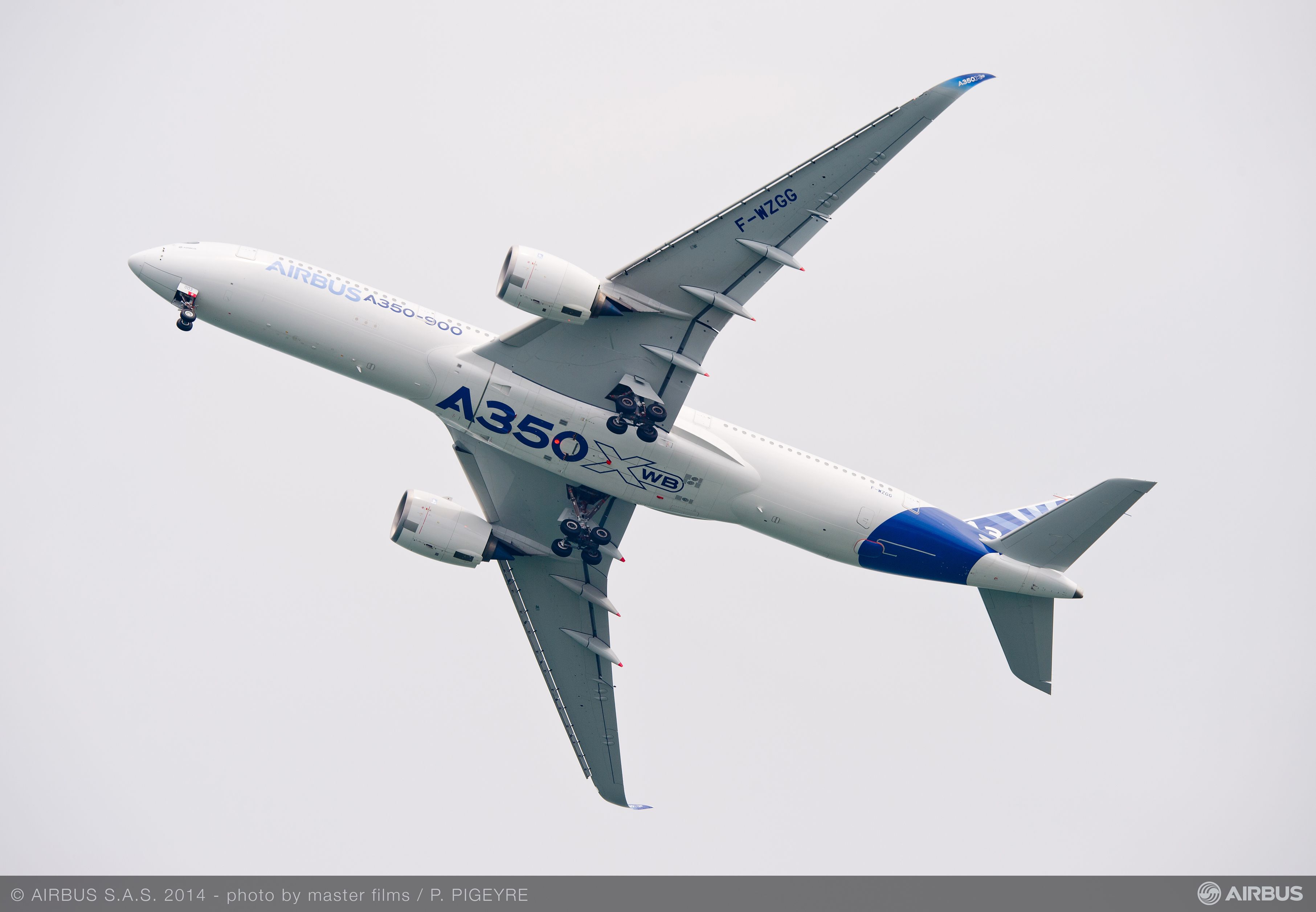
The Airbus A350-900 is designed for ultra long-haul missions. Its Rolls-Royce Trent XWB engines are among the most efficient large turbofans in service, developed specifically for the A350 program (Rolls-Royce, 2023). Anti-ice systems on such engines use bleed air to prevent ice accumulation on critical components, particularly in high-altitude cold environments.
According to publicly discussed operational summaries, DL275 experienced a roughly 50 percent reduction in anti-ice flow on one engine. Engine vibration readings increased by approximately 60 percent relative to baseline, accompanied by a modest 5.5 percent temperature deviation. None of these readings indicated immediate engine failure. But over icy oceanic airspace with limited diversion airports, redundancy matters. – delta flight dl275 diverted lax.
As aviation safety expert John Cox told NBC News in a separate engine event analysis, “Modern airliners are designed with layers of redundancy, and crews are trained to act long before a situation becomes critical” (NBC News, 2023). That philosophy shaped the decision. Anchorage lay hundreds of nautical miles away. Los Angeles offered maintenance depth, A350-specific tooling, and Delta TechOps support.
The diversion was precautionary. In aviation, precaution is policy, not panic.
What Engine Anti-Ice Systems Actually Do
At cruise altitudes, ambient air temperatures can drop below minus 50 degrees Celsius. Ice crystals can form even in seemingly clear skies, especially near convective systems. According to the Federal Aviation Administration, engine icing can disrupt airflow, reduce compressor efficiency, and in extreme cases lead to compressor stalls (FAA, 2023).
The Trent XWB anti-ice system channels hot bleed air from the compressor to warm vulnerable sections. Any disruption in valves, ducts, or sensors may reduce flow. Potential causes cited in aviation maintenance literature include:
- Sensor malfunctions
- Valve seizure or sticking
- Bleed air duct leaks
- FADEC software anomalies
The key concern on DL275 was not catastrophic engine loss. It was the erosion of redundancy during extended oceanic operations. Extended-range twin-engine operational performance standards, commonly called ETOPS, require strict reliability thresholds for transoceanic routes (FAA, 2022).
As aviation analyst Richard Aboulafia noted in an interview with Aviation Week, “The economics of twin-engine long-haul flying depend on extraordinary reliability, and that reliability is built on conservative decision making” (Aviation Week, 2022).
DL275’s crew acted within that conservative framework. – delta flight dl275 diverted lax.
Timeline of the Diversion
| Event | Approximate Time | Details |
|---|---|---|
| Departure from Detroit | ~15:53 local time | Scheduled trans-Pacific departure |
| Cruise altitude reached | Early evening | 38,000 feet over Pacific |
| Anti-ice anomaly detected | Mid-flight | Reduced flow, vibration increase |
| Diversion decision | Over North Pacific | About 620 nautical miles southwest of Anchorage |
| Landing at LAX | ~1:08 AM PDT | Runway 06R, safe landing |
| Maintenance duration | 18.5 hours | Diagnostics and system checks |
| Aircraft returned to service | Following day | No further reported issues |
The aircraft taxied normally after landing. Passengers disembarked without medical emergencies. Social media accounts from travelers described calm cabin communication and orderly procedures.
In aviation safety culture, the absence of drama often signals success.
Delta’s Operational Response


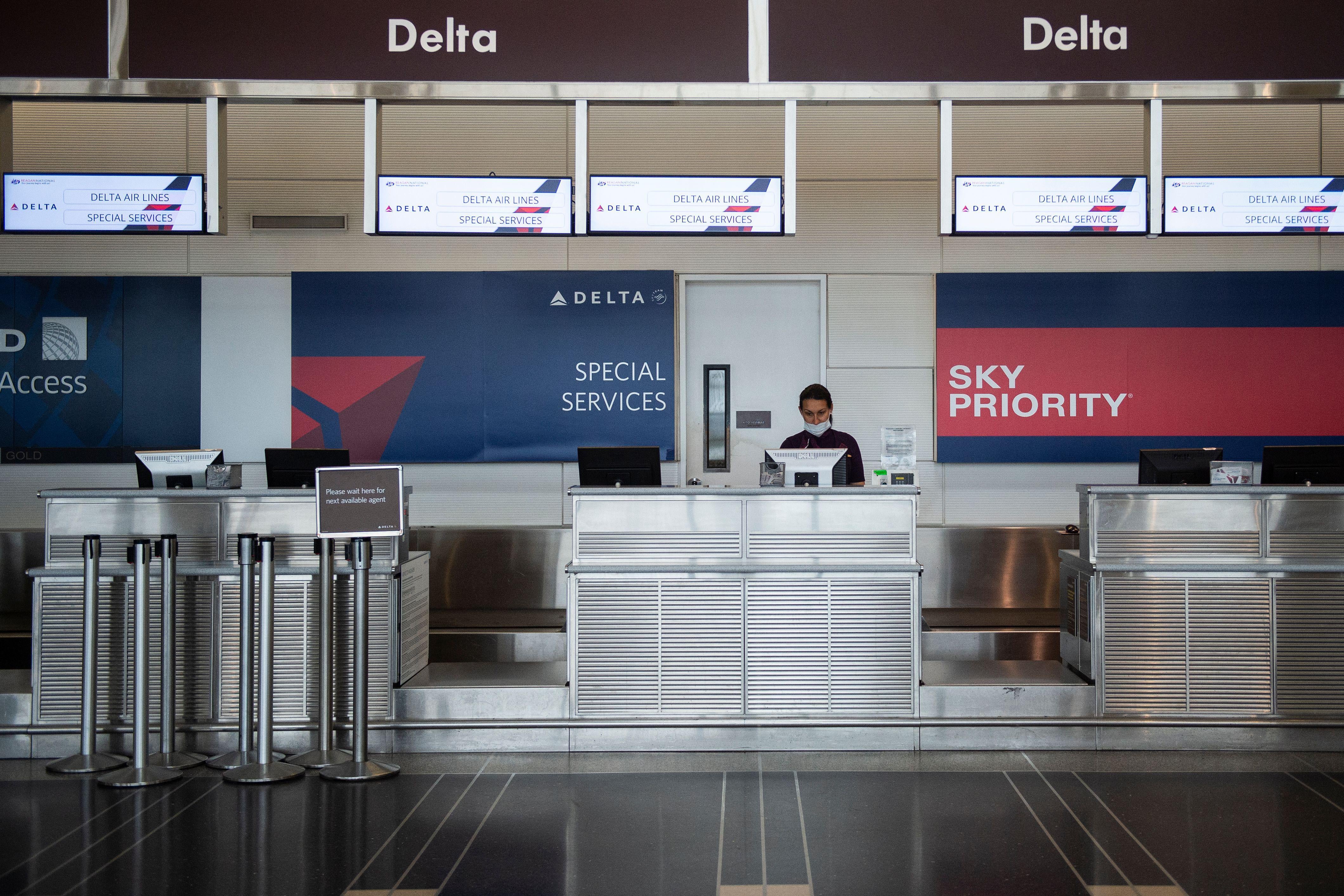
Los Angeles was selected strategically. LAX houses Delta’s maintenance infrastructure capable of handling Airbus A350 aircraft. Rolls-Royce technical support and diagnostic tools are more readily available at major hubs.
Ground teams performed inspections of the bleed air lines, anti-ice valves, and related sensor arrays. Engine data was downloaded for analysis. The 18.5-hour maintenance window included testing redundancy and ensuring restored system integrity.
Passengers were rebooked through Delta hubs such as Seattle and Minneapolis. Hotel accommodations, meal vouchers, and ground transport were provided. Under Delta’s conditions of carriage, compensation beyond rebooking is limited for safety diversions. However, travel insurance policies may apply depending on individual coverage.
Industry consultant Seth Kaplan explained in a CNBC aviation segment that “Irregular operations are costly, but airlines will always absorb those costs when safety margins are in question” (CNBC, 2022). – delta flight dl275 diverted lax.
Estimates placed the operational impact near $2.3 million when accounting for fuel, crew duty extensions, passenger accommodations, and schedule disruptions.
Safety remains the cost airlines choose to bear.
Predictive Maintenance and Its Limits
Modern widebody aircraft stream vast amounts of data to ground operations centers. Predictive maintenance systems aim to identify component degradation before it triggers in-flight anomalies.
Rolls-Royce markets its engine health monitoring under the TotalCare service model, emphasizing continuous performance data analysis (Rolls-Royce, 2023). Delta Air Lines similarly invests heavily in predictive analytics through its TechOps division (Delta Air Lines, 2023).
Yet predictive systems are probabilistic. They do not eliminate every mid-flight alert. Subtle sensor discrepancies may not cross thresholds until the aircraft is already airborne.
Aviation safety scholar Todd Curtis has written that “Data analytics reduces risk but does not eliminate uncertainty. The human element in interpreting alerts remains central” (Curtis, 2021).
The DL275 event underscores that predictive maintenance narrows margins but does not replace pilot judgment.
Comparing Engine Reliability Context
| Engine Model | Aircraft | Notable Reliability Record | Typical Application |
|---|---|---|---|
| Rolls-Royce Trent XWB | Airbus A350 | Among highest efficiency ratings; strong ETOPS record | Long-haul intercontinental |
| GE9X | Boeing 777X | Certification ongoing challenges | Ultra long-haul |
| Trent 1000 | Boeing 787 | Past blade durability issues | Long-haul |
| GEnx | Boeing 787/747-8 | Generally strong reliability record | Long-haul |
The Trent XWB has been widely regarded as one of Rolls-Royce’s most successful programs in terms of performance and fuel efficiency (FlightGlobal, 2023). Unlike earlier engine programs that faced durability controversies, the XWB has not been associated with systemic fleetwide grounding.
No Airworthiness Directive was issued following DL275’s diversion. There was no fleetwide mandate. The event remained localized. – delta flight dl275 diverted lax.
The Human Experience on Board
Passengers reported delays exceeding 18 hours in many cases. Some opted to remain in Los Angeles rather than continue immediately to Tokyo. Others were rebooked within 24 hours.
Cabin crew communication was described as calm and transparent. That tone matters. Research published in the Journal of Air Transport Management shows that perceived transparency during irregular operations strongly influences passenger satisfaction (Chen & Kao, 2022).
Long-haul diversions can be physically taxing. Yet the smooth landing and absence of injury reframed the event as an inconvenience rather than a trauma.
In aviation, the emotional barometer of safety often rests on how uneventful the end feels.
Investigation Without Headlines
No formal National Transportation Safety Board accident docket was opened because no accident occurred. The FAA does not routinely issue public reports for precautionary diversions absent injury or damage.
Internal reviews likely examined:
- Sensor calibration data
- Bleed air pressure readings
- Valve functionality
- FADEC system logs
As of early 2026, no public technical bulletin detailed the root mechanism. The aircraft returned to regular Detroit to Tokyo operations without recurring reports.
Aviation historian William Langewiesche once wrote that “Airline safety advances quietly, in small decisions and incremental corrections rather than dramatic revelations” (Langewiesche, 2014).
DL275 fits that pattern.
Broader Lessons for Long-Haul Aviation
Trans-Pacific routes demand careful ETOPS planning. Diversion airports are limited. Weather conditions can compound technical anomalies.
Airlines train crews to err on the side of landing early rather than continuing into deeper oceanic corridors. That culture evolved after decades of engine reliability research and regulatory tightening.
The economic cost of a diversion may reach millions. The reputational cost of ignoring a warning could be immeasurable.
DL275 did not expose systemic failure. Instead, it demonstrated system functioning: sensors detecting deviation, pilots evaluating risk, operations selecting a maintenance hub, and technicians restoring integrity.
In modern aviation, uneventful landings often carry the most important lessons.
Takeaways
- The diversion of DL275 was precautionary and resulted in no injuries.
- Anti-ice system redundancy is critical on trans-Pacific ETOPS routes.
- Predictive maintenance reduces risk but cannot eliminate in-flight anomalies.
- LAX was selected due to specialized Airbus A350 maintenance capability.
- No NTSB accident investigation or fleetwide directive followed.
- The estimated operational cost was significant but secondary to safety.
- The event reflects aviation’s conservative safety culture.
Conclusion
The diversion of Delta Flight DL275 never escalated beyond a line in an operational log and a brief wave of social media posts. Yet beneath its calm landing lay the quiet architecture of aviation safety. A 50 percent drop in anti-ice flow did not trigger catastrophe because systems were designed to catch it early. Pilots did not gamble on continued flight because procedure discourages bravado. Technicians did not rush the aircraft back into service without 18.5 hours of inspection.
Commercial aviation has achieved its extraordinary safety record through precisely these moments. Decisions made before conditions deteriorate. Investments made before failures multiply. Data examined before anomalies spread fleetwide. – delta flight dl275 diverted lax.
Passengers eventually reached Tokyo. The aircraft returned to service. No headlines lingered. And that, perhaps, is the clearest evidence that the system worked as intended.
FAQs
Why was Delta Flight DL275 diverted to Los Angeles?
It experienced an engine anti-ice system anomaly over the North Pacific, prompting a precautionary diversion to ensure redundancy and safety.
Were there any injuries?
No injuries or medical emergencies were reported. The aircraft landed safely at LAX.
What engine powers the Airbus A350-900 on this route?
The aircraft uses the Rolls-Royce Trent XWB engine, designed specifically for the Airbus A350.
Did the NTSB investigate the event?
No formal accident investigation was launched because the diversion was precautionary and involved no damage or injuries.
Is DL275 still operating today?
Yes. As of early 2026, the Detroit to Tokyo Haneda route continues without ongoing diversion reports.