
I often notice how the word tracqueur appears in very different contexts, sometimes technical, sometimes personal, and sometimes even emotional. In its simplest sense, a tracqueur is a tool or system designed to follow, record, or analyze movement, behavior, or activity over time. Yet behind that simple definition lies a wide ecosystem of technologies, practices, and debates that shape how people work, travel, train, and live. From fitness devices to logistics platforms and digital analytics, tracqueurs quietly operate in the background of modern life.
What makes tracqueur technologies especially relevant today is not novelty but integration. They are no longer isolated gadgets or niche software. They are embedded into phones, vehicles, websites, workplaces, and even daily routines. I see them as mirrors of behavior. They do not just collect data. They transform how decisions are made, how efficiency is measured, and how trust is negotiated between individuals and systems.
This article explores tracqueur technologies in depth, focusing on how they work, where they are used, and what they mean for individuals and organizations. I aim to explain the concept clearly, without shortcuts, and to show how tracking has become a structural element of the modern digital environment.
What a Tracqueur Really Means Today
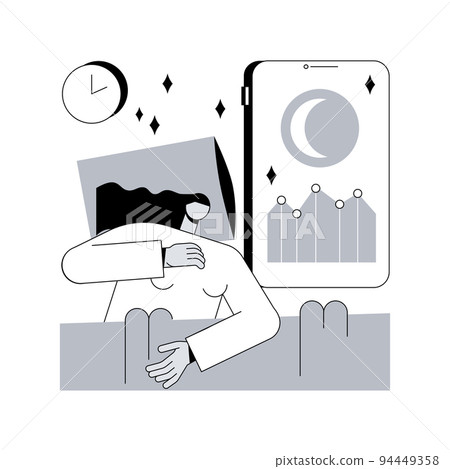

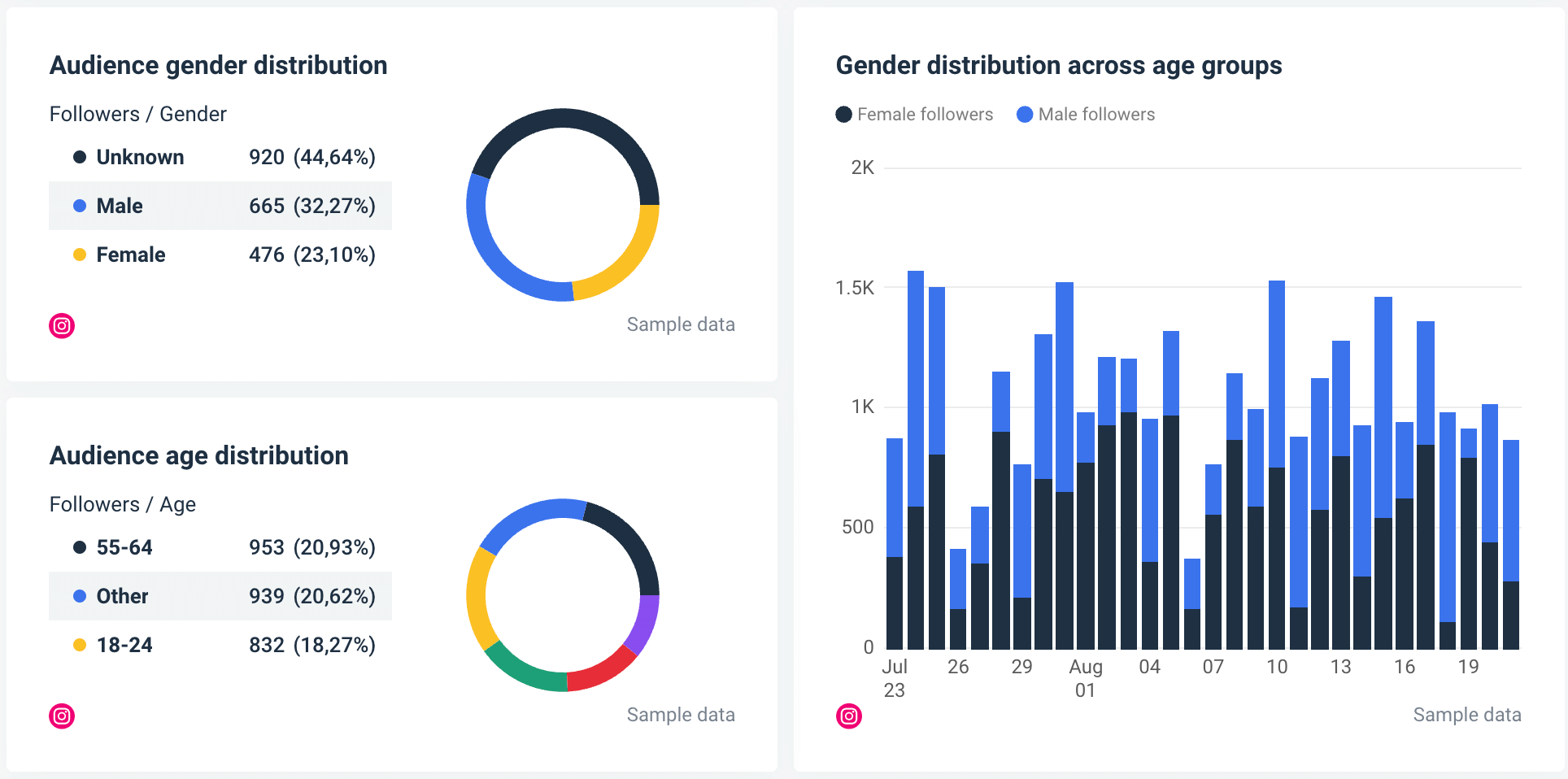
The term tracqueur originates from the idea of tracing or following a path. In modern usage, it refers to any mechanism that captures and records movement, interaction, or change over time. This can be physical, such as a GPS device tracking location, or digital, such as software tracking user behavior on a platform.
What matters is continuity. A tracqueur does not observe a single moment. It builds a timeline. That timeline allows patterns to emerge, whether those patterns relate to speed, frequency, duration, or deviation. I find this temporal aspect essential because it turns raw data into insight. Without time, tracking has little value.
Today, tracqueurs often operate automatically. They run quietly, collecting information in the background while users focus on primary tasks. This invisibility is both their strength and their controversy, as it raises questions about awareness and consent.
Core Technologies Behind Tracqueur Systems

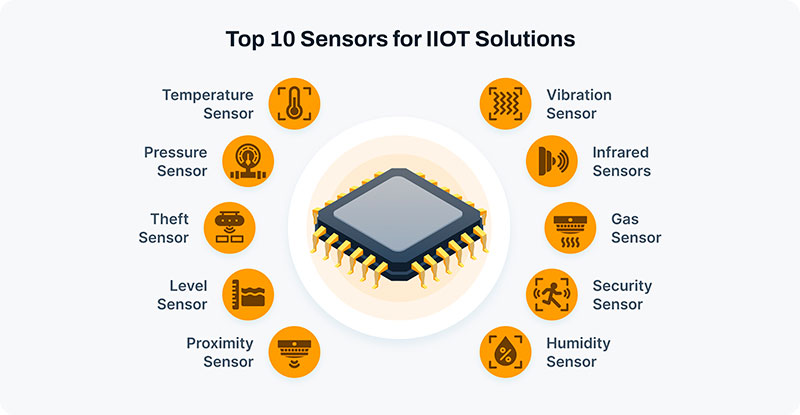
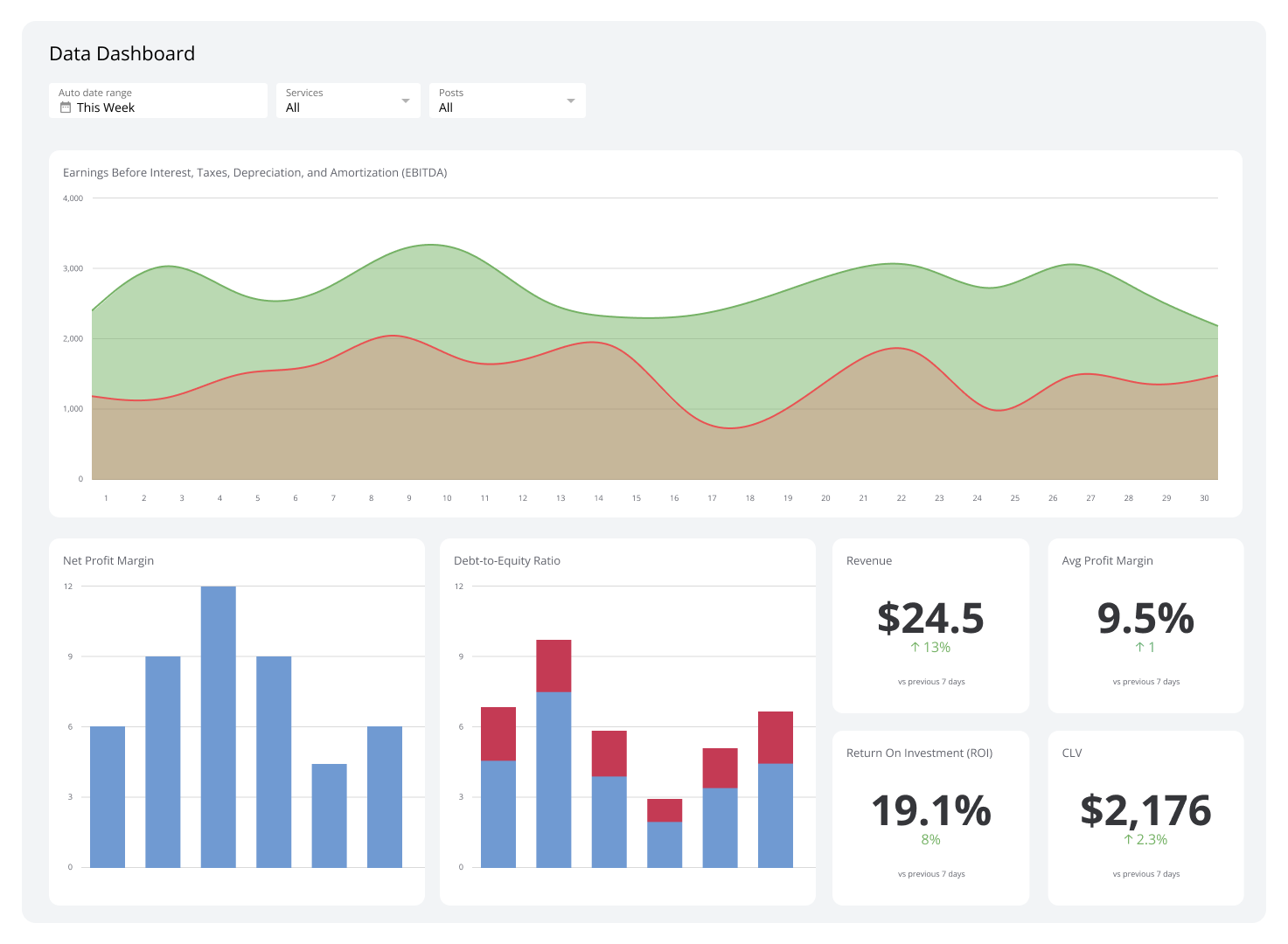
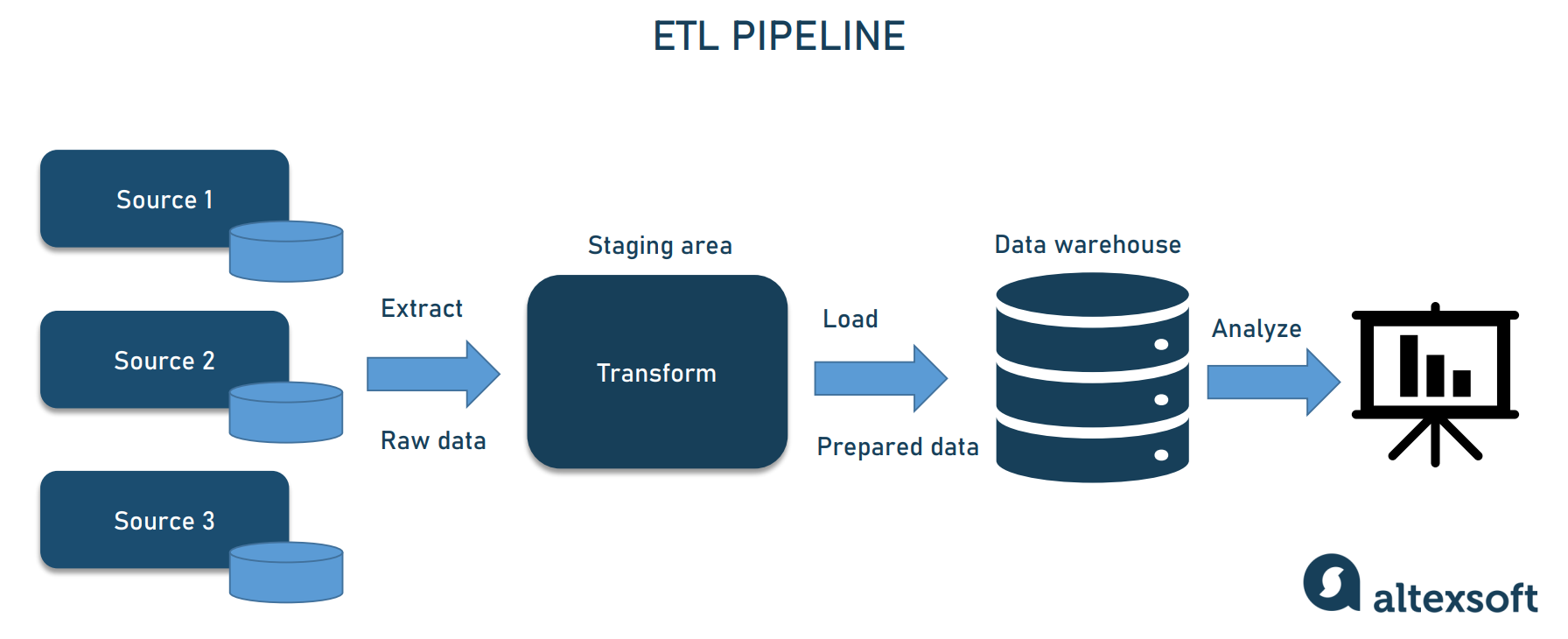
Most tracqueur systems rely on a combination of sensors, connectivity, and analytics. Sensors collect signals, such as location coordinates, motion, clicks, or biometrics. Connectivity transfers that data to storage or processing environments. Analytics then interpret the information into usable formats.
In physical tracking, GPS, accelerometers, gyroscopes, and RFID tags are common. In digital environments, tracqueurs rely on event logging, cookies, identifiers, and timestamps. What unifies them is their dependence on consistent data flow.
I see analytics as the real differentiator. Two tracqueurs can collect the same data, yet deliver completely different value depending on how that data is processed. Simple systems record. Advanced systems predict, optimize, and adapt.
Types of Tracqueurs and Their Functions

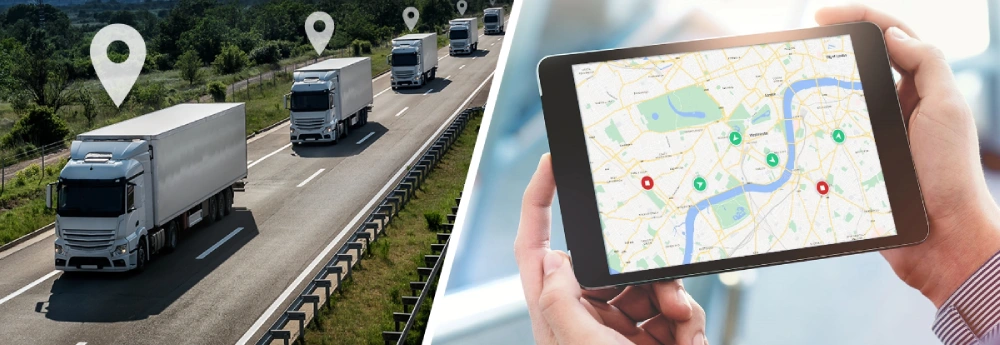
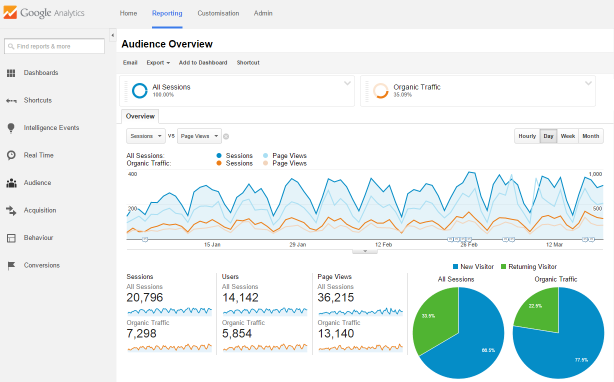
Tracqueurs can be grouped by purpose. Fitness tracqueurs monitor steps, heart rate, sleep, and training intensity. Logistics tracqueurs follow vehicles, packages, and delivery routes. Digital tracqueurs analyze clicks, sessions, conversions, and engagement.
Each type answers a different question. Fitness tracqueurs ask how the body performs. Logistics tracqueurs ask where assets are and how efficiently they move. Digital tracqueurs ask how users interact and why they behave the way they do.
Despite these differences, the underlying logic remains consistent. Measure activity. Compare against baselines. Adjust future actions. This feedback loop is why tracqueurs are so powerful and why they spread so quickly across industries.
How Tracqueurs Influence Decision Making
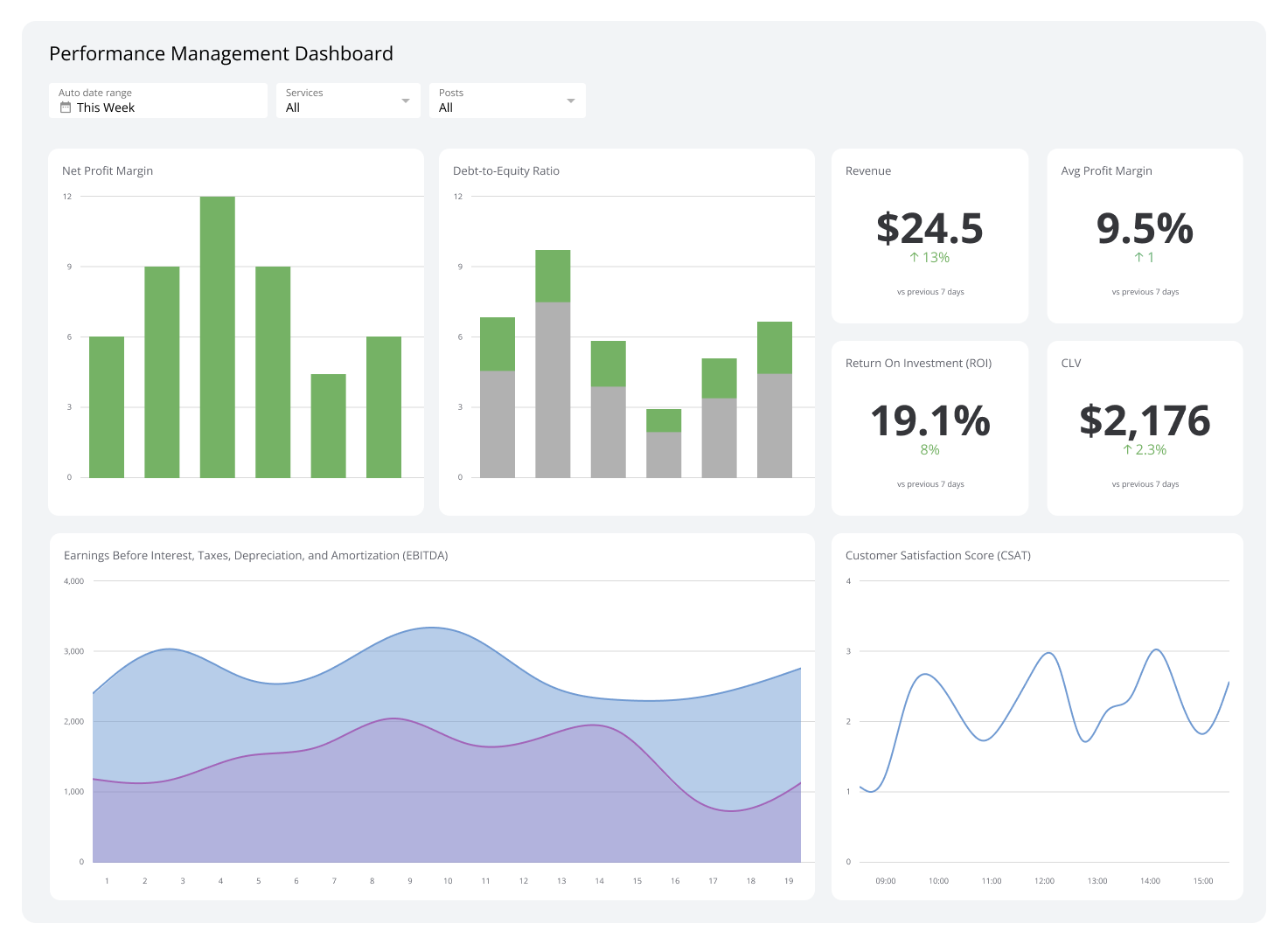
I have observed that tracqueurs subtly shift authority. Decisions that once relied on intuition now lean on metrics. When performance is tracked continuously, arguments become numerical rather than subjective.
This has clear benefits. Errors surface earlier. Trends become visible. Resources can be allocated with more precision. However, it also introduces new risks. Overreliance on tracked metrics can ignore context, creativity, or unmeasured factors.
The healthiest systems I have seen use tracqueur data as guidance, not judgment. They inform human decisions instead of replacing them. Balance matters because not everything valuable can be quantified.
Tracqueurs in Personal Life

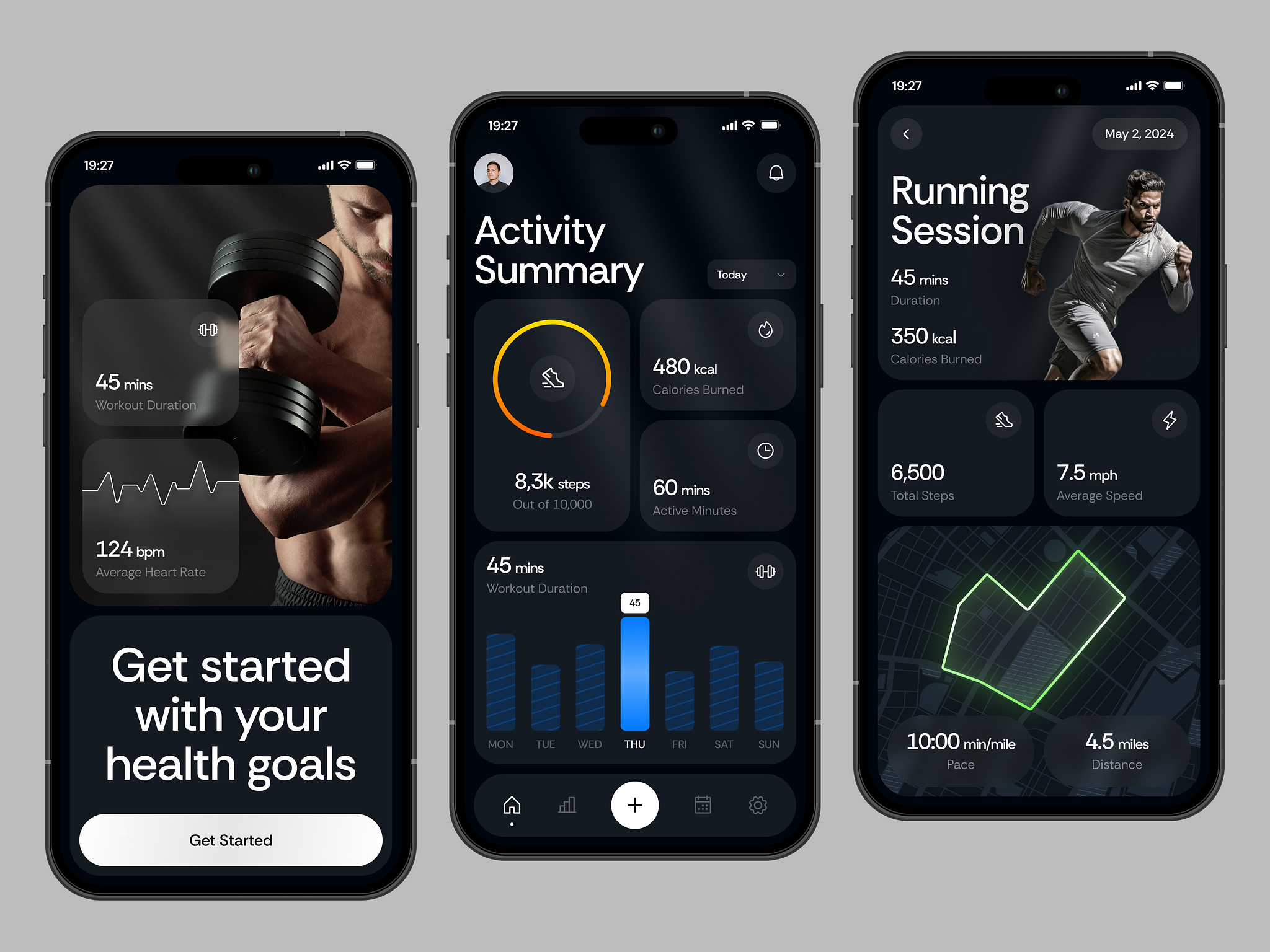
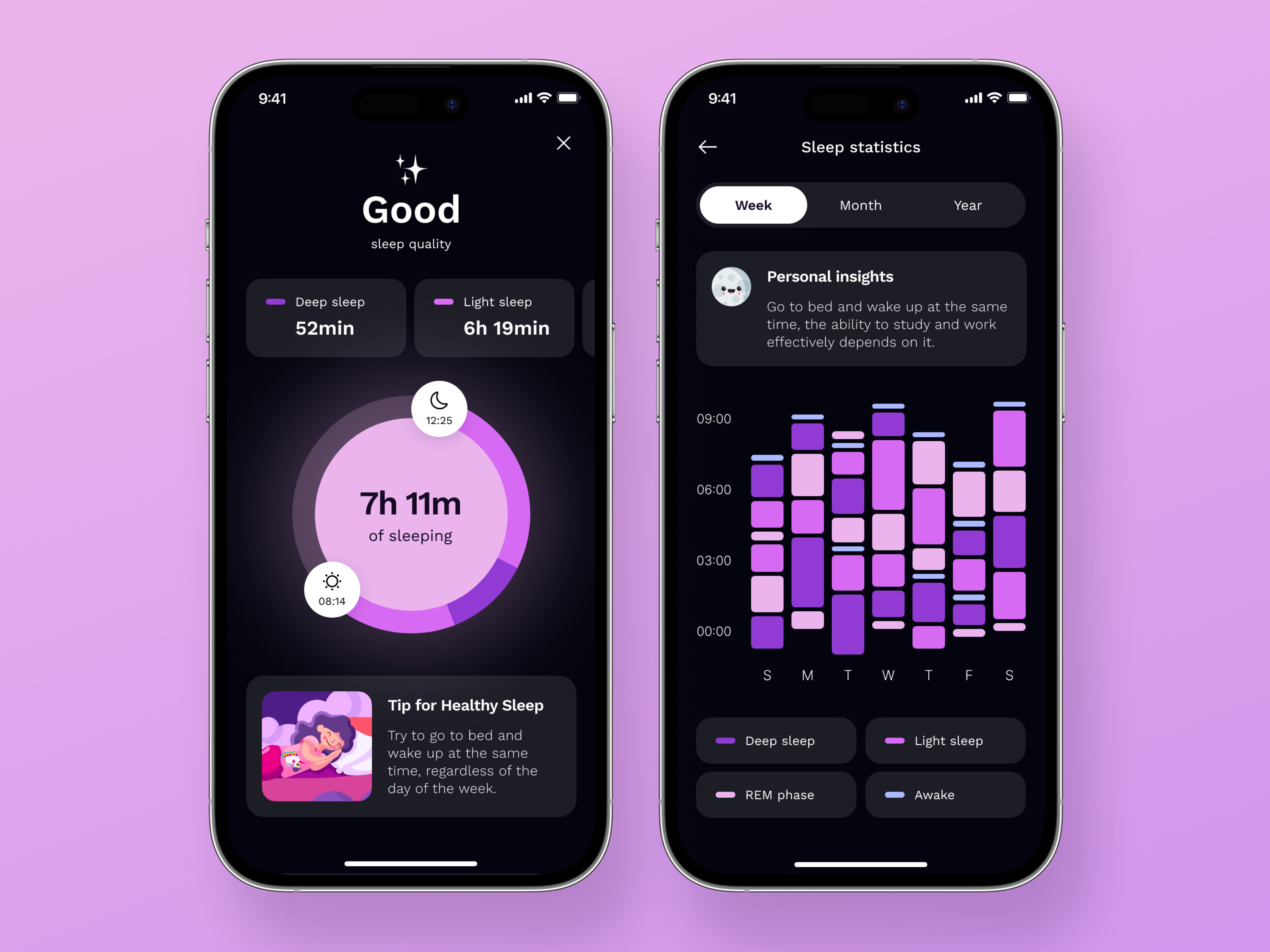
In personal contexts, tracqueurs often promise self-improvement. People track steps to walk more, sleep to rest better, and screen time to reduce distraction. These tools create awareness, which is often the first step toward change.
I notice that the effectiveness of personal tracqueurs depends on interpretation. Raw numbers can motivate or discourage depending on framing. When users see data as feedback rather than judgment, tracqueurs become empowering.
There is also an emotional dimension. Tracking personal behavior can feel intimate. This intimacy explains why trust and transparency are crucial in consumer-facing tracqueur systems.
Tracqueurs in Professional Environments
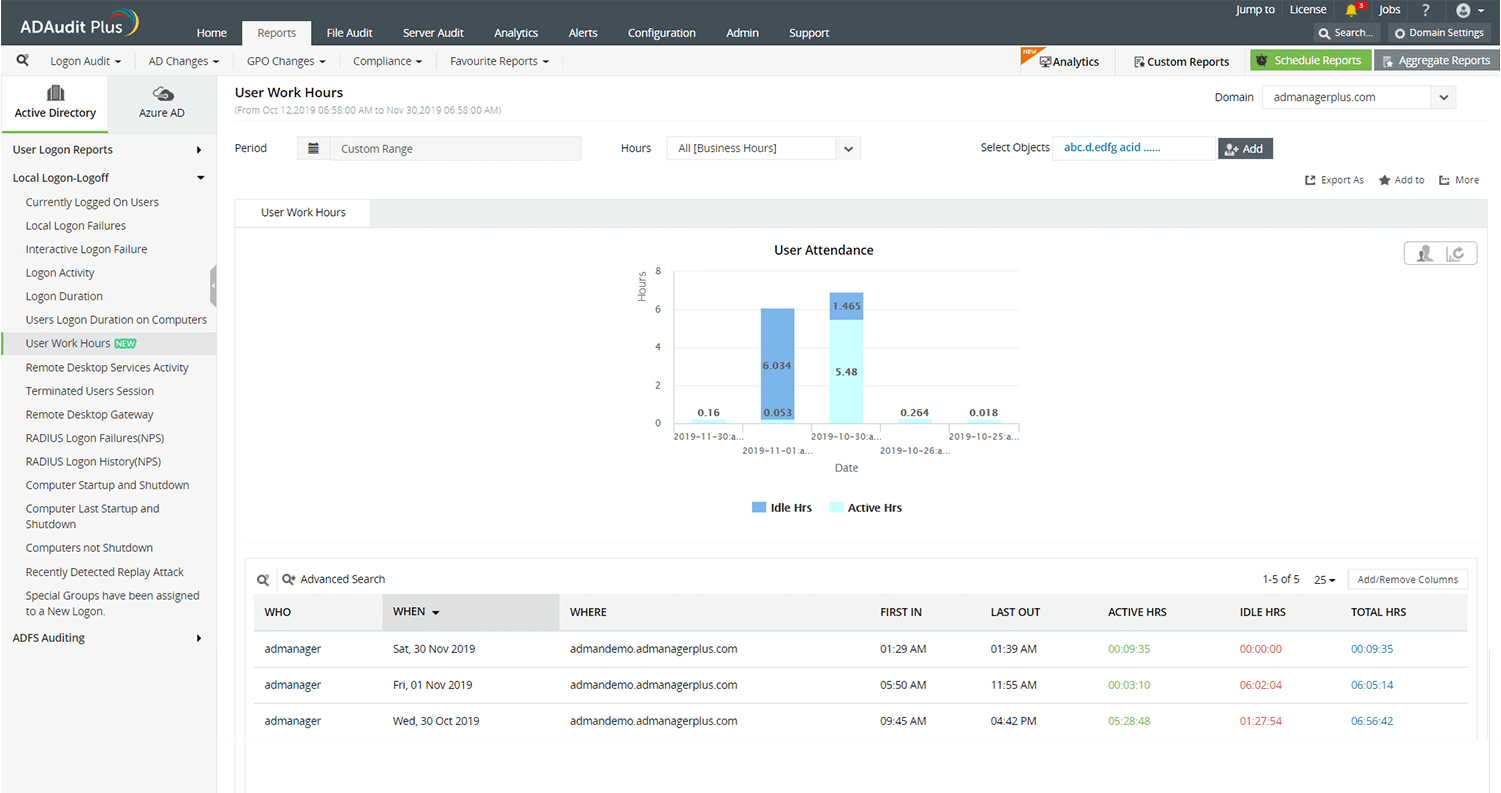
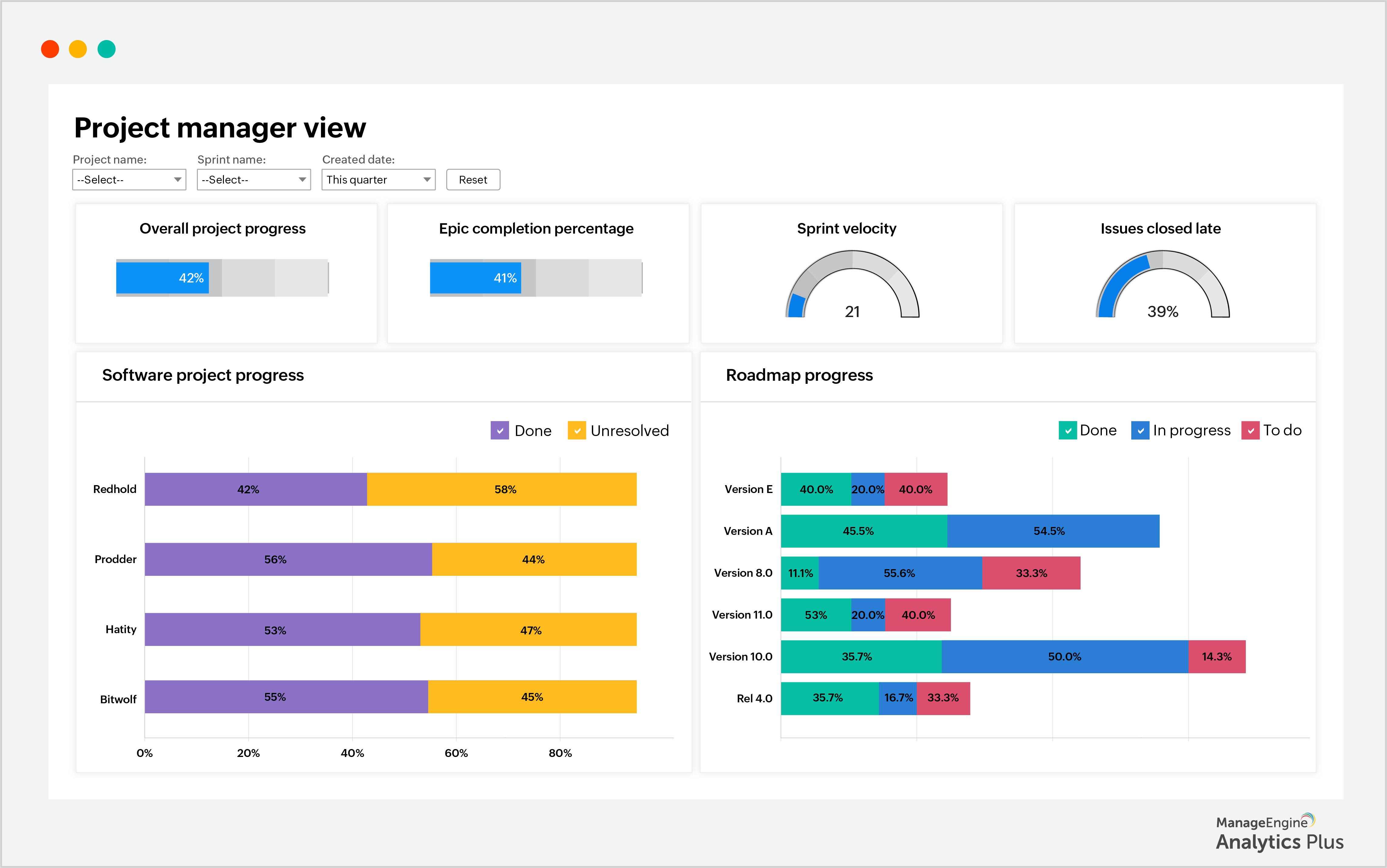

In workplaces, tracqueurs are used to measure productivity, workflows, and outcomes. Project timelines, task completion rates, and communication patterns are tracked to improve efficiency.
I see a clear divide between supportive and intrusive implementations. Supportive tracqueurs highlight bottlenecks and reduce wasted effort. Intrusive tracqueurs focus on surveillance rather than improvement, damaging morale.
Organizations that succeed with tracking usually communicate intent clearly. They explain what is tracked, why it is tracked, and how the data will be used. This clarity builds acceptance and cooperation.
Ethical and Privacy Considerations
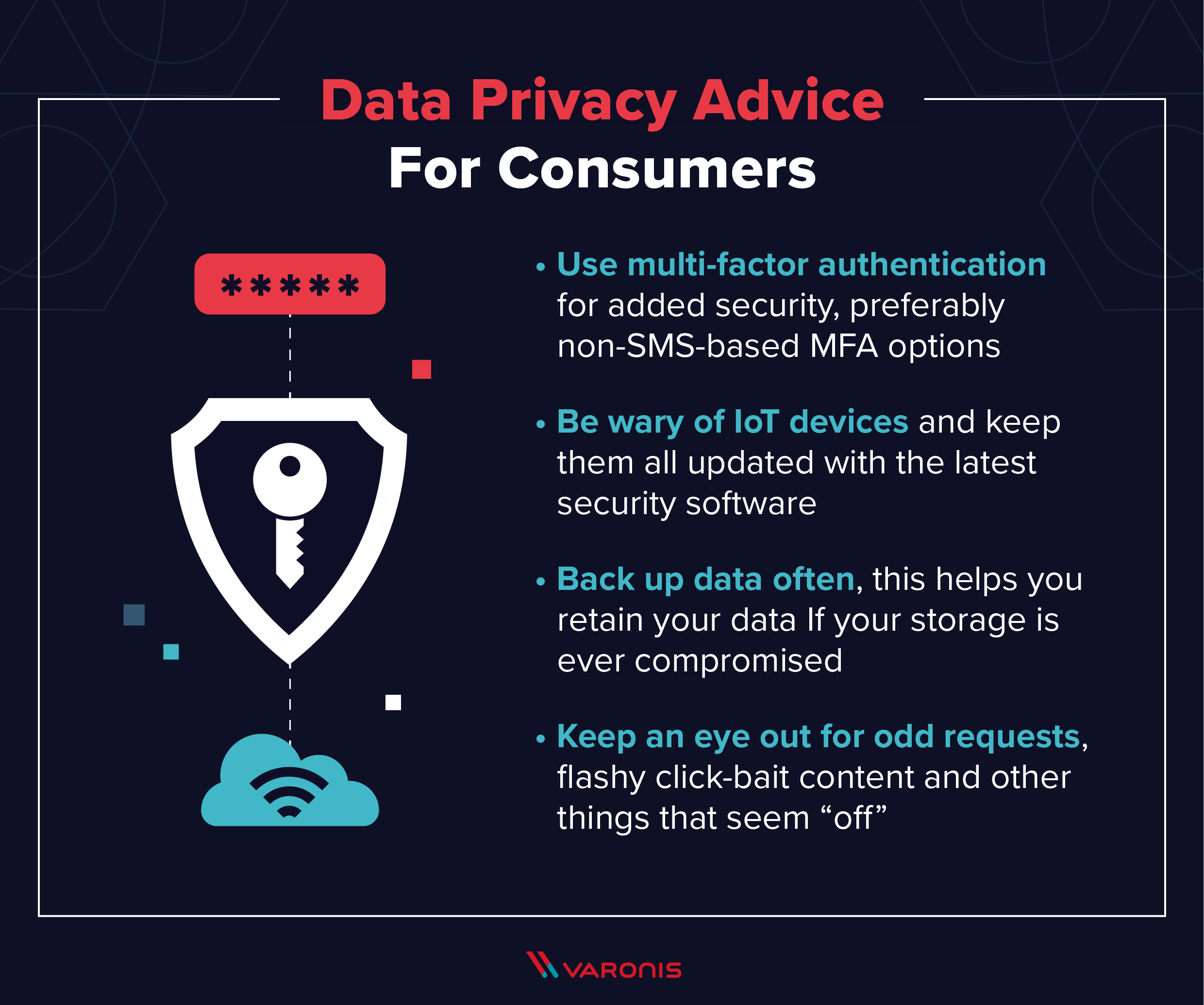

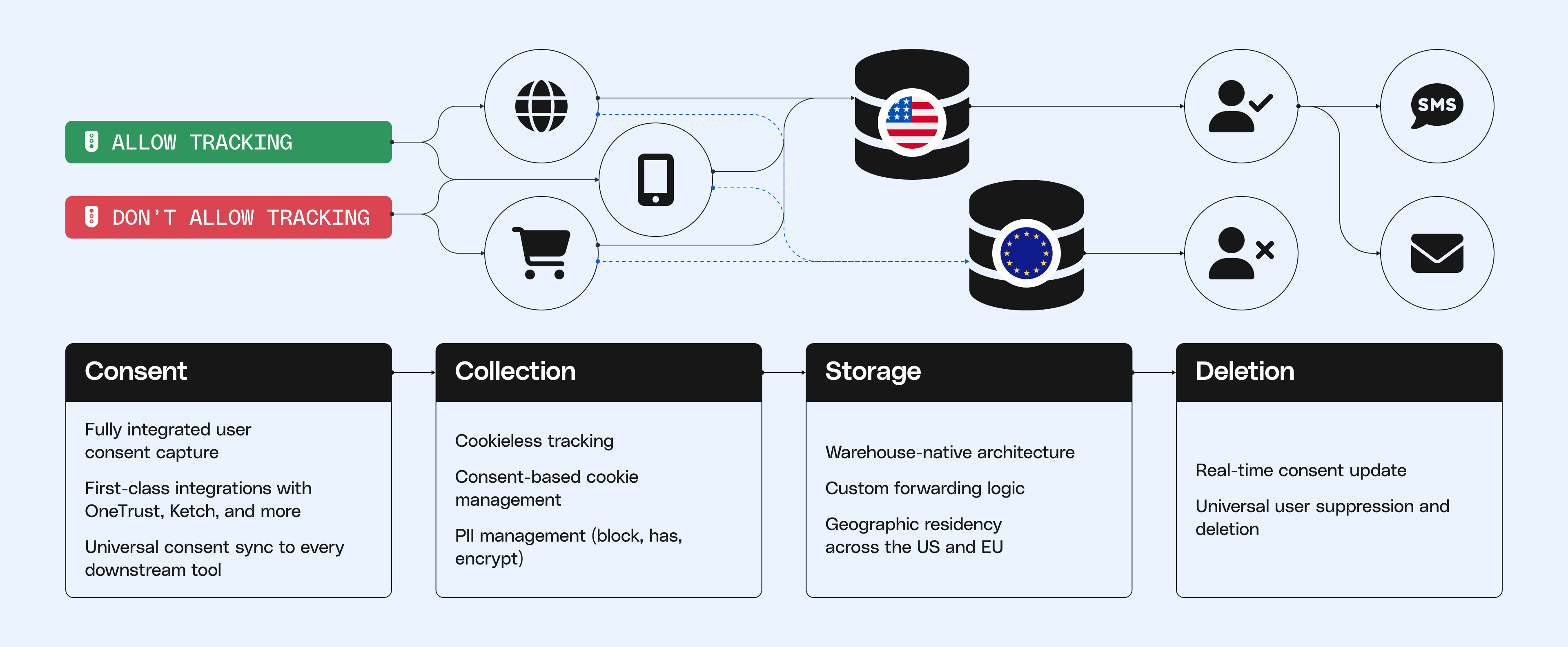
Ethics sit at the center of the tracqueur conversation. Tracking inherently involves observation, and observation can easily cross into control. Questions of consent, data ownership, and data retention are unavoidable.
I believe ethical tracqueur design starts with minimization. Collect only what is necessary. Retain data only as long as needed. Provide visibility and control to those being tracked.
When these principles are ignored, trust erodes quickly. When they are respected, tracking can coexist with autonomy.
Benefits and Limitations of Tracqueur Systems


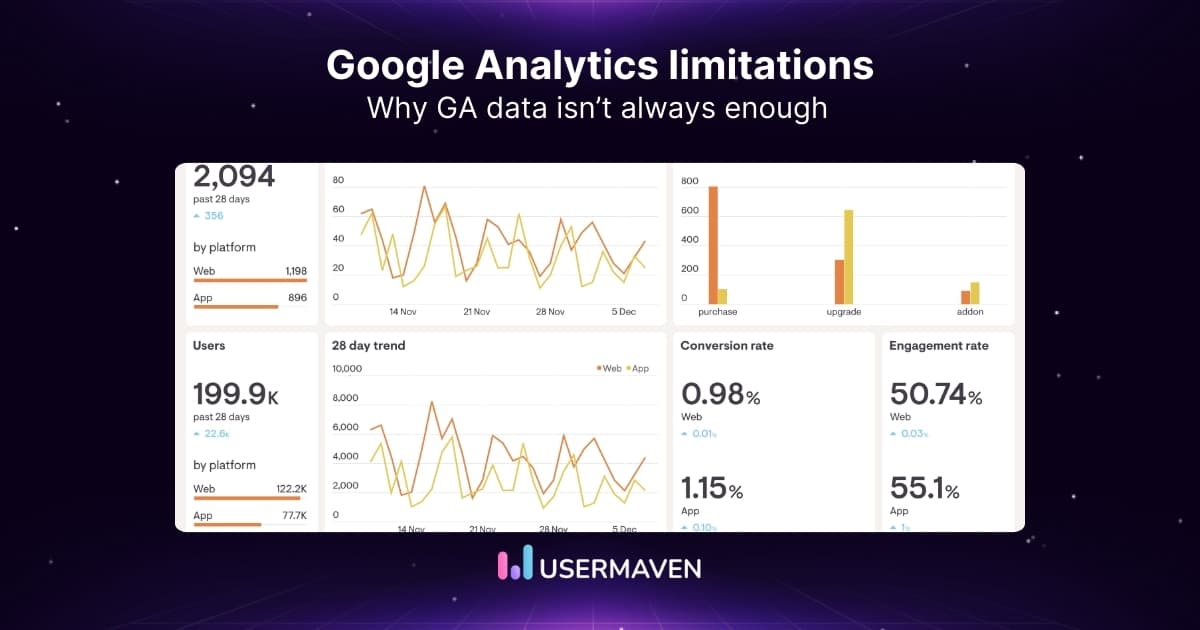
The benefits of tracqueurs include visibility, efficiency, and continuous improvement. They reduce guesswork and support long-term planning. In many cases, they uncover problems that would otherwise remain hidden.
Limitations are equally real. Data can be incomplete or biased. Metrics can be gamed. Overtracking can create stress or reduce intrinsic motivation.
I see tracqueurs as amplifiers. They magnify both strengths and weaknesses of the systems they observe. Their impact depends less on technology and more on governance.
Comparative Table of Common Tracqueur Applications
| Domain | What Is Tracked | Primary Goal | Main Risk |
|---|---|---|---|
| Fitness | Movement, heart rate, sleep | Health improvement | Obsession with metrics |
| Logistics | Location, speed, routes | Efficiency and reliability | Overoptimization |
| Digital Media | Clicks, time, behavior | Engagement and conversion | Privacy erosion |
| Workplace | Tasks, time, output | Productivity insights | Surveillance culture |
How Tracqueurs Shape Future Systems


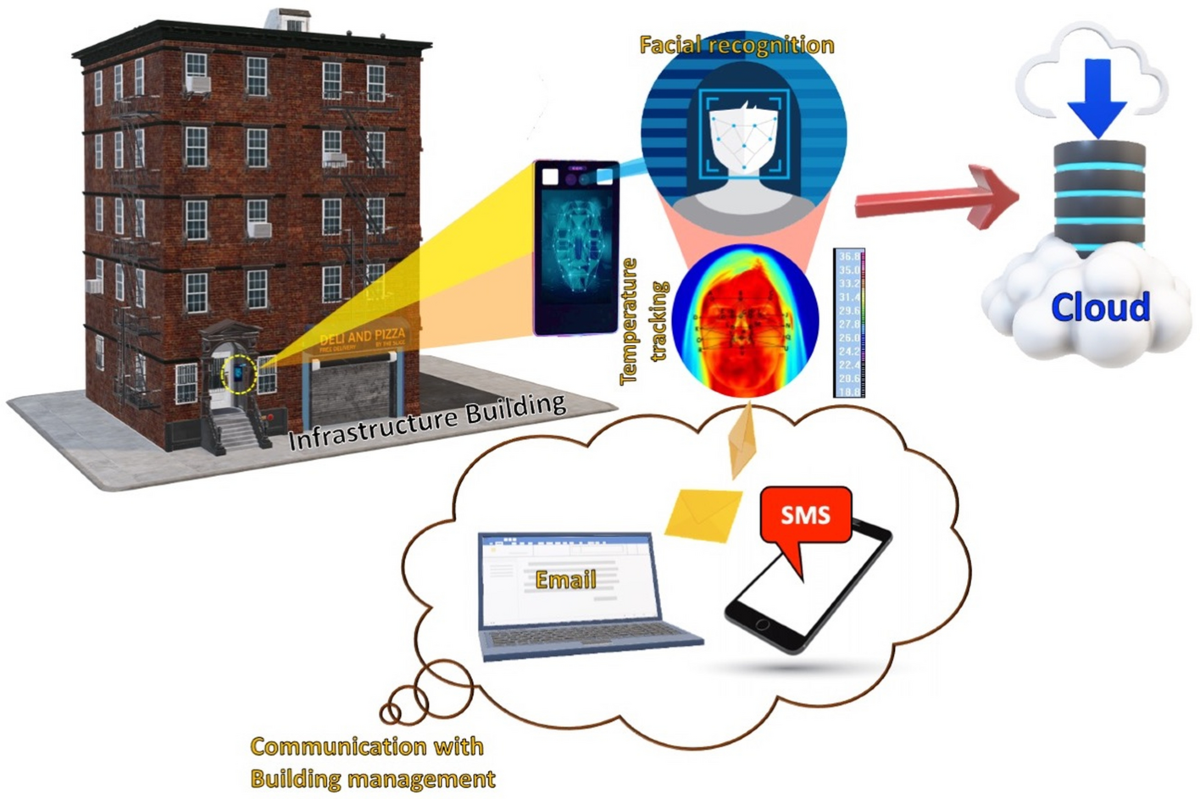
Looking ahead, tracqueurs will become more predictive and less visible. Instead of reporting what happened, they will suggest what should happen next. This shift transforms tracking from passive observation to active guidance.
I expect future tracqueurs to integrate more closely with automation. Tracking will trigger actions automatically, adjusting schedules, routes, or recommendations in real time. This increases efficiency but also raises the stakes of error.
The future challenge will be maintaining human oversight as systems grow more autonomous.
Implementation Best Practices


Successful tracqueur implementation follows a few consistent principles. Define clear objectives before collecting data. Choose metrics aligned with outcomes, not convenience. Review data regularly and contextualize results.
Equally important is communication. Users should understand what is tracked and how it benefits them. Feedback loops should exist so tracking leads to improvement rather than accumulation.
When tracqueurs are treated as living systems rather than static tools, they remain useful and trusted.
Read: Sugar City Lautoka: History, Culture, Economy, and Identity of Fiji’s Western Capital
Conclusion
I see tracqueur technologies as neither inherently positive nor negative. They are instruments. Like all instruments, their value depends on how they are used. In a world increasingly defined by complexity, tracqueurs offer clarity. They reveal patterns that human perception alone would miss.
At the same time, clarity can become pressure if misused. The future of tracqueurs lies in thoughtful integration, ethical boundaries, and human-centered design. When tracking supports understanding rather than control, it becomes a quiet ally in progress.
As tracqueurs continue to evolve, the most important question will not be what they can track, but what they should track, and who decides.
Read: Showcamrips Explained: Piracy, Risks, and Digital Culture
FAQs
What is a tracqueur in simple terms?
A tracqueur is a tool or system that follows and records activity or behavior over time to identify patterns and support decisions.
Are tracqueurs only digital?
No. Tracqueurs can be physical, such as GPS devices, or digital, such as software tracking online behavior.
Do tracqueurs invade privacy?
They can if poorly designed. Ethical tracqueurs rely on consent, transparency, and minimal data collection.
Why are tracqueurs so widely used?
They reduce uncertainty by turning activity into measurable insights, improving efficiency and planning.
Can tracqueurs replace human judgment?
No. They support decisions but cannot fully capture context, values, or creativity.