I have always been fascinated by how ordinary phrases can carry extraordinary meaning, and “ehi vuoi da bere?” is one of those expressions that quietly explains an entire culture. Translated into English as “hey, do you want something to drink?”, the phrase feels casual, even throwaway. In Italy, however, it often marks the true beginning of a social moment. Within the first moments of meeting, the offer of a drink establishes warmth, equality, and shared presence. In everyday Italian life, asking someone what they want to drink is rarely about thirst alone. It signals care, time, and a willingness to engage without hurry. The phrase appears in kitchens, cafés, offices, and piazzas, functioning as a social key that unlocks conversation. Understanding it helps explain why Italian culture values pauses, rituals, and togetherness in ways that can feel unfamiliar elsewhere.


Linguistic Meaning and Tone
From a linguistic perspective, “ehi vuoi da bere?” is informal and intentionally relaxed. The word ehi acts as a friendly tap on the shoulder rather than a formal address, while vuoi keeps the exchange personal and direct. The phrase avoids politeness structures that create distance. Instead, it invites immediacy. Italians often prefer this tone among peers because it removes hierarchy and encourages openness. Language here mirrors social values, where conversation flows easily and relationships are built through shared experiences rather than formalities.
Read: FloArena Wrestling: Revolutionizing the World of Wrestling


Hospitality as Social Practice
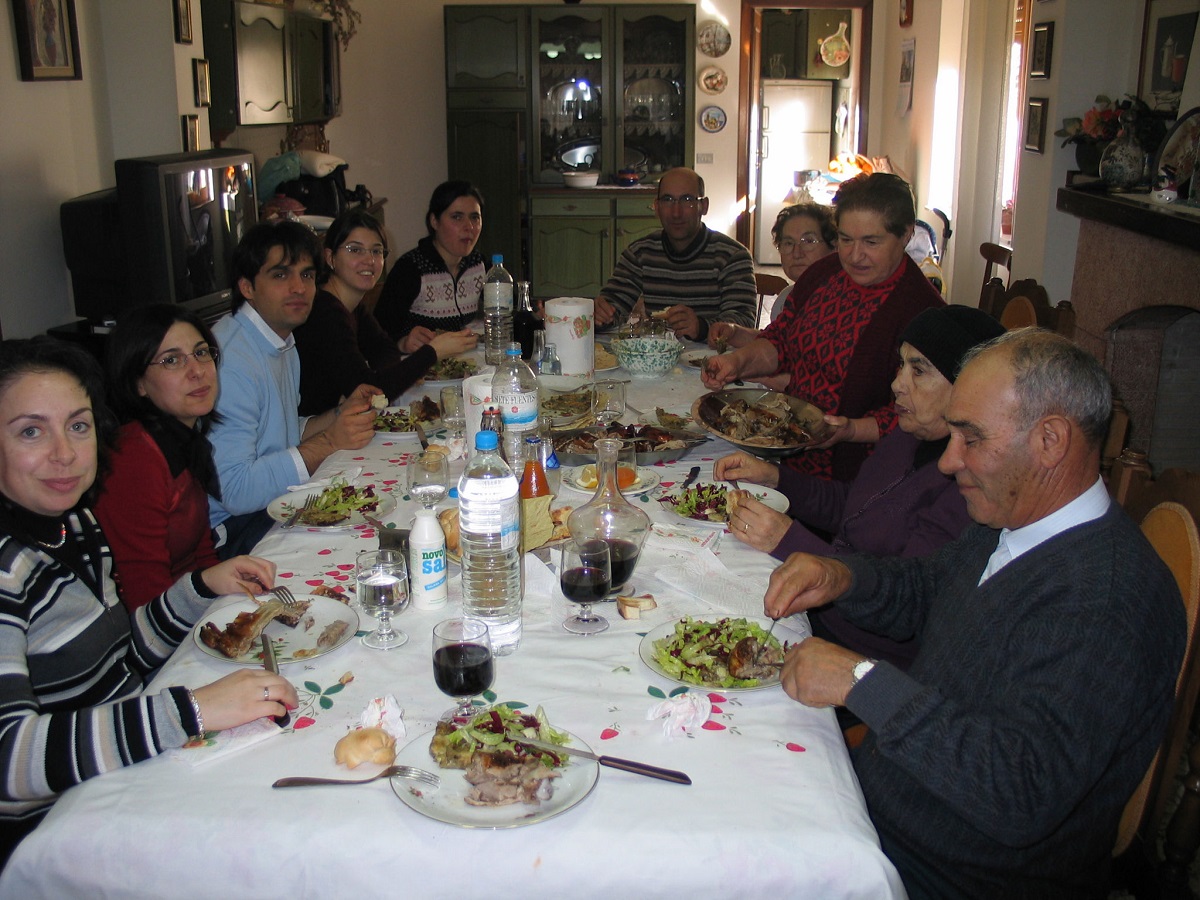
In Italian homes, the first question asked of a guest is rarely about travel or plans. It is about what they would like to drink. Water, coffee, wine, or something homemade becomes a symbolic welcome. This practice turns hospitality into an action rather than a statement. By offering a drink, hosts acknowledge the guest’s presence and immediately include them in the household rhythm. The phrase “ehi vuoi da bere?” carries this instinct wherever it is spoken, even outside the home, transforming public spaces into temporary communities.


Daily Drinking Rhythms
Italian drinking culture follows a predictable yet meaningful rhythm throughout the day. Morning espresso is brief and energizing, often consumed standing at a bar. Afternoon drinks are minimal, while evenings open space for aperitivo and wine. Each moment has its own social purpose. The phrase offering a drink adapts to these rhythms, changing what is offered without changing the intention behind it. Whether it leads to coffee or wine, the question always carries the same message: stay a moment longer.

Aperitivo and Collective Pause
Aperitivo deserves special attention because it best illustrates how drinks structure social life. Taking place before dinner, it is not about intoxication or indulgence. It is about transition. Friends gather, drinks are light, and conversation softens the shift from work to evening. When someone asks “ehi vuoi da bere?” during aperitivo hours, they are offering more than a beverage. They are offering a pause, a shared breath before the night continues.


Regional Expressions of the Same Gesture
While the phrase is understood nationwide, regional culture shapes how it is delivered. In southern Italy, offers of drinks often arrive with food and insistence, reflecting traditions of abundance and generosity. In northern cities, the gesture may be quicker but no less sincere. Across regions, the phrase remains recognizable, proving that while customs vary, the core value of inclusion does not.

Why the Phrase Endures
What makes “ehi vuoi da bere?” endure is its flexibility. It adapts to modern life without losing its meaning. In offices, it becomes a collegial icebreaker. Among friends, it signals comfort. For visitors, it offers a lesson in how Italians prioritize human connection over efficiency. The phrase survives because it answers a universal need: to feel welcomed without ceremony.


Takeaways
- The phrase means more culturally than linguistically.
- Offering a drink is an act of inclusion.
- Italian social life values pauses and presence.
- Drinking rituals structure daily interaction.
- Informality strengthens connection.
Conclusion
I see “ehi vuoi da bere?” as a quiet expression of Italian philosophy. It reminds us that hospitality does not need grand gestures. It begins with noticing someone, inviting them to pause, and sharing something simple. In a world increasingly shaped by speed and efficiency, the phrase stands as a small act of resistance. It says that time shared is time well spent. Whether spoken in a crowded bar or a quiet kitchen, it carries an enduring message that connection matters more than convenience.


FAQs
What does “ehi vuoi da bere?” mean in English?
It means “hey, do you want something to drink?” but culturally it implies welcome and connection.
Is the phrase formal or informal?
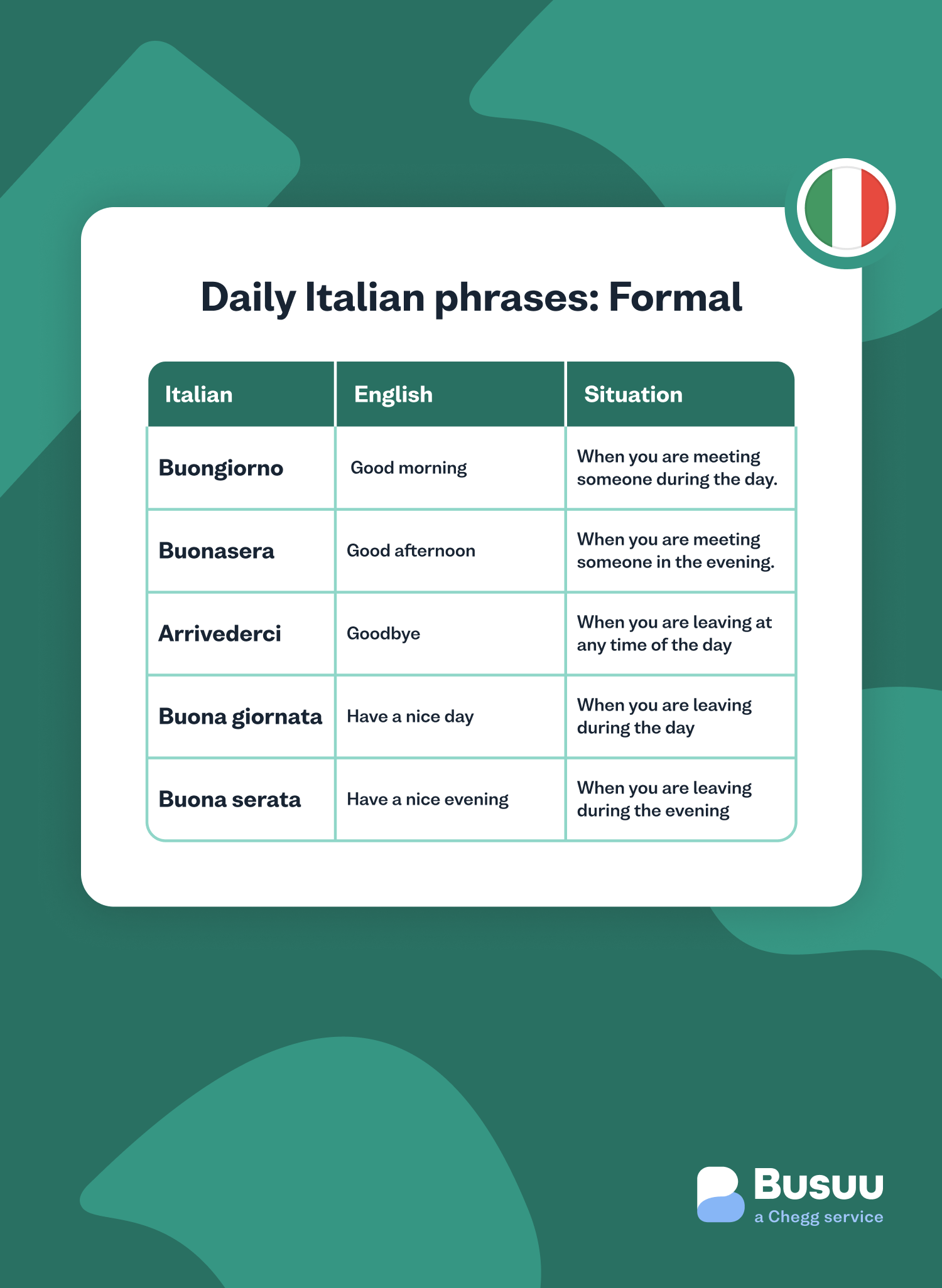
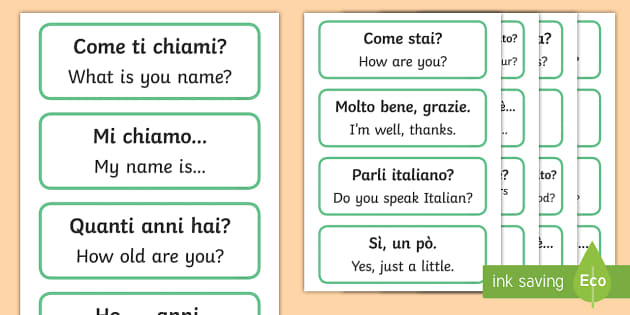
It is informal and used among friends, family, or social equals.


When is it commonly used?
It is used when greeting guests or beginning social interaction.


Does it relate to aperitivo culture?
Yes, it often introduces aperitivo and shared evening moments.


Can visitors use this phrase naturally?
Yes, when used sincerely, it is widely appreciated.