I have often observed that behind every reliable organization there is an invisible structure holding daily work together, and the Protocolo Operacional Padrão sits at the center of that structure. Commonly translated as Standard Operating Procedure, it is a documented sequence of actions designed to ensure tasks are carried out consistently, safely, and efficiently. For readers searching this topic, the intent is clear within the first moments: to understand what it is, why it matters, and how it is applied in real settings. A Protocolo Operacional Padrão removes ambiguity from work. It defines expectations and transforms individual effort into coordinated performance.


In Portuguese-speaking environments, especially in Brazil, the term appears across healthcare, manufacturing, logistics, and public administration. Yet the idea itself crosses borders. Wherever complex tasks repeat daily, organizations rely on structured protocols to protect quality and safety. These documents reduce reliance on memory and improvisation, replacing them with tested processes that can be taught, audited, and improved over time.
Read: jagdpanzer iv 70 irl in Real Life: Design, Combat, Legacy

As industries have grown more regulated and interconnected, the importance of standardization has only increased. A Protocolo Operacional Padrão is no longer just a manual. It represents a commitment to discipline, accountability, and shared understanding across teams.

The Historical Roots of Operational Protocols
The origin of operational protocols can be traced to the industrial expansion of the late nineteenth century. As factories scaled production, consistency became essential. Early management thinkers promoted standardized work methods to reduce waste and variation. Assembly lines depended on precise instructions so each worker could perform tasks in sequence without disruption.


During the Second World War, operational protocols became critical in military logistics and aircraft production. Complex machinery and high-risk operations demanded absolute clarity. Small errors could have catastrophic consequences, leading organizations to formalize procedures and verification steps.

In the decades that followed, aviation and healthcare refined these practices further. Accident investigations repeatedly showed that structured checklists and protocols could prevent fatal mistakes. These lessons cemented the Protocolo Operacional Padrão as a cornerstone of modern risk management.


What Defines a Protocolo Operacional Padrão
A Protocolo Operacional Padrão is a formal document that explains how a task must be performed from start to finish. It clarifies purpose, scope, responsibilities, and sequence. Unlike informal guidelines, it is designed to be repeatable and auditable, ensuring the same outcome regardless of who performs the task.

A typical protocol includes structured components that remove guesswork. Each element serves a specific role in guiding behavior and maintaining consistency across teams and shifts.


| Component | Description |
|---|---|
| Purpose | Explains why the procedure exists |
| Scope | Defines where and when it applies |
| Responsibilities | Identifies who performs each step |
| Materials | Lists required tools or resources |
| Procedure Steps | Sequential instructions |
| Quality Control | Verification points |
| Documentation | Records and reporting |
These components transform complex tasks into manageable actions while creating a shared reference point across an organization.

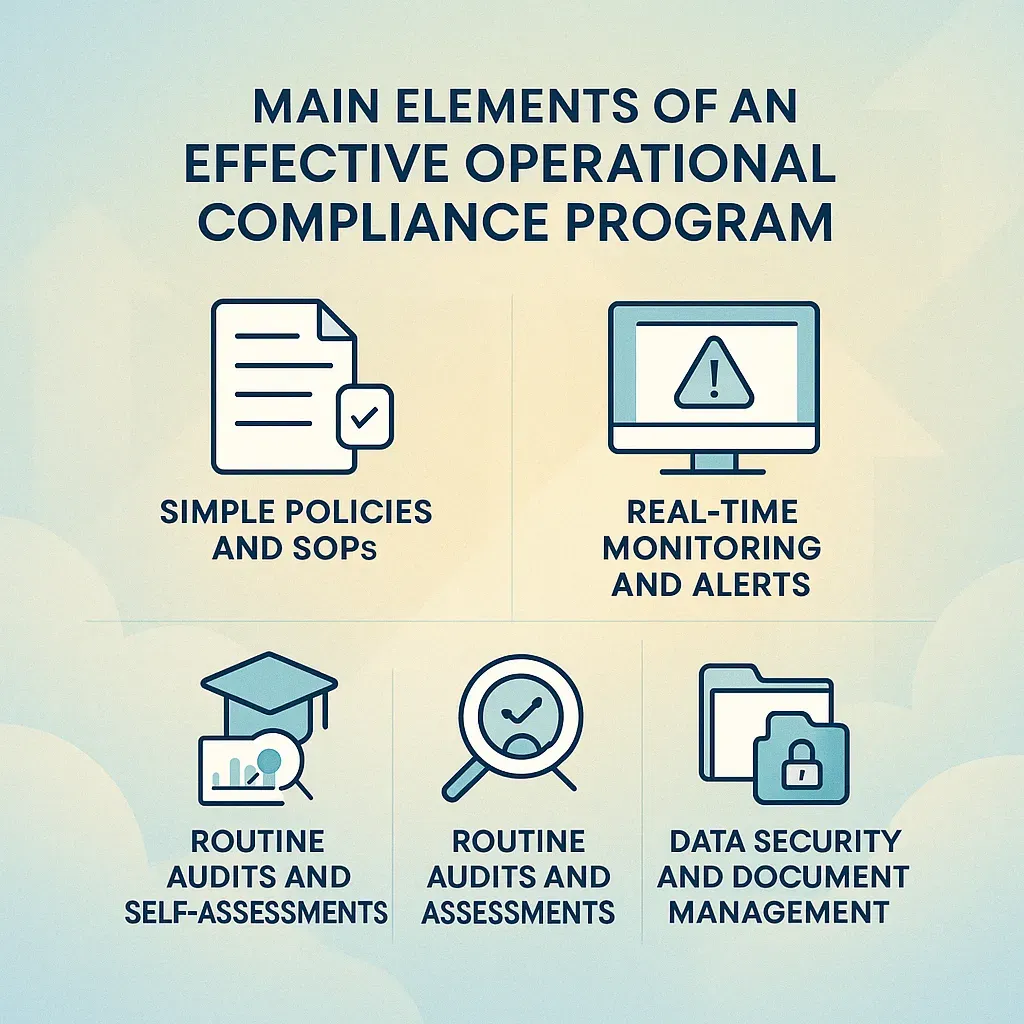
Why Organizations Depend on Standardized Procedures
Organizations depend on standardized procedures because inconsistency introduces risk. When tasks vary between individuals, outcomes become unpredictable. Protocols reduce that variability by defining best practices and expected results.

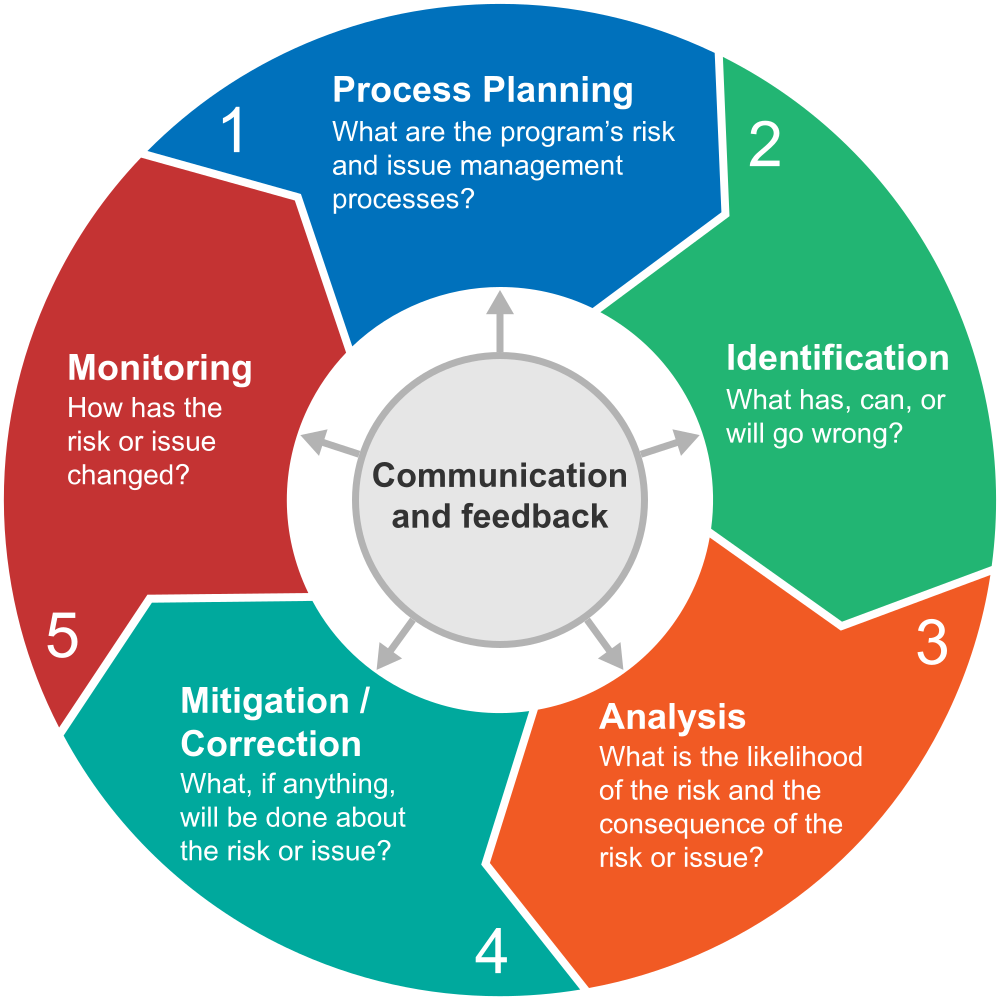
In regulated environments, the consequences of deviation can be severe. Manufacturing defects, patient harm, or system failures often trace back to unclear or ignored procedures. A Protocolo Operacional Padrão creates a safety net that supports both workers and end users.

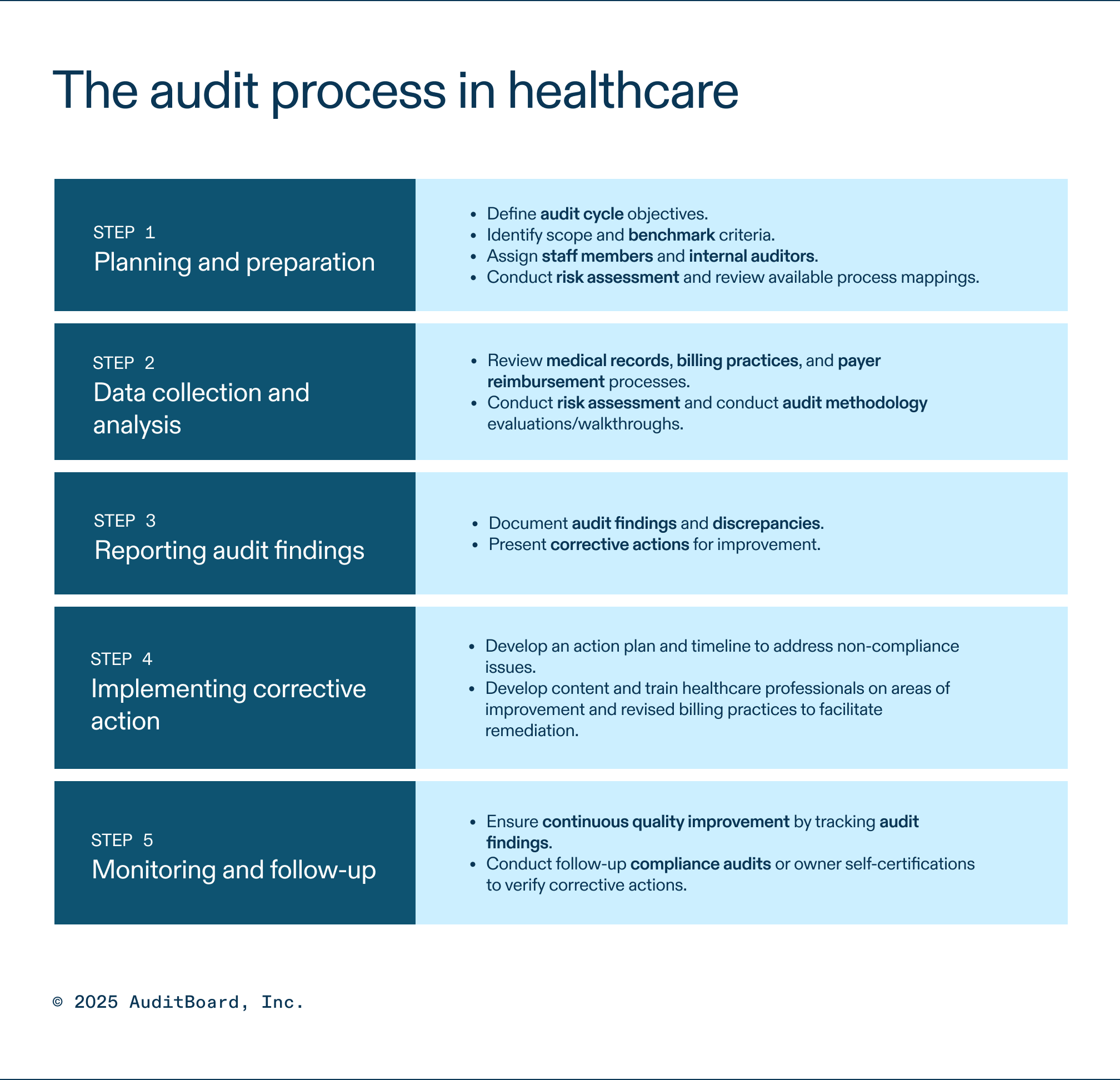
Beyond safety, protocols preserve institutional knowledge. When experienced employees leave, documented procedures ensure continuity. Organizations remain resilient because knowledge is stored in systems rather than individuals.


Applications Across Industries
Operational protocols adapt to the needs of different sectors while preserving the same core logic. Each industry uses them to address its most critical risks and efficiency challenges.
| Industry | Application Example | Primary Goal |
|---|---|---|
| Healthcare | Surgical protocols | Patient safety |
| Manufacturing | Equipment operation | Quality control |
| Aviation | Pre-flight checks | Risk reduction |
| Food Industry | Hygiene standards | Compliance |
| IT Services | Incident response | System reliability |
Despite differences in context, each application demonstrates how structured procedures support dependable outcomes.


The Human Factor in Operational Protocols
Although protocols are technical tools, they exist to support human performance. Stress, fatigue, and cognitive overload affect even experienced professionals. Structured procedures act as cognitive guides that reduce reliance on memory alone.
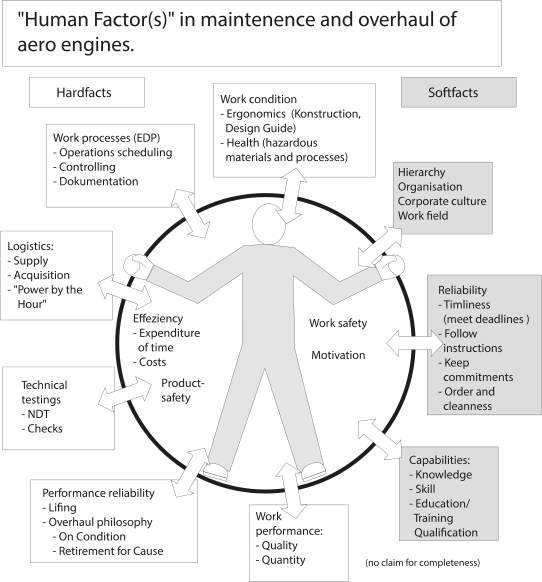

In high-pressure environments, protocols provide stability. They help teams focus on execution rather than decision-making under stress. This support becomes especially valuable during emergencies or complex operations.


However, effective protocols also respect professional judgment. They offer structure without eliminating flexibility, recognizing that exceptional situations require adaptation.
Designing an Effective Protocolo Operacional Padrão
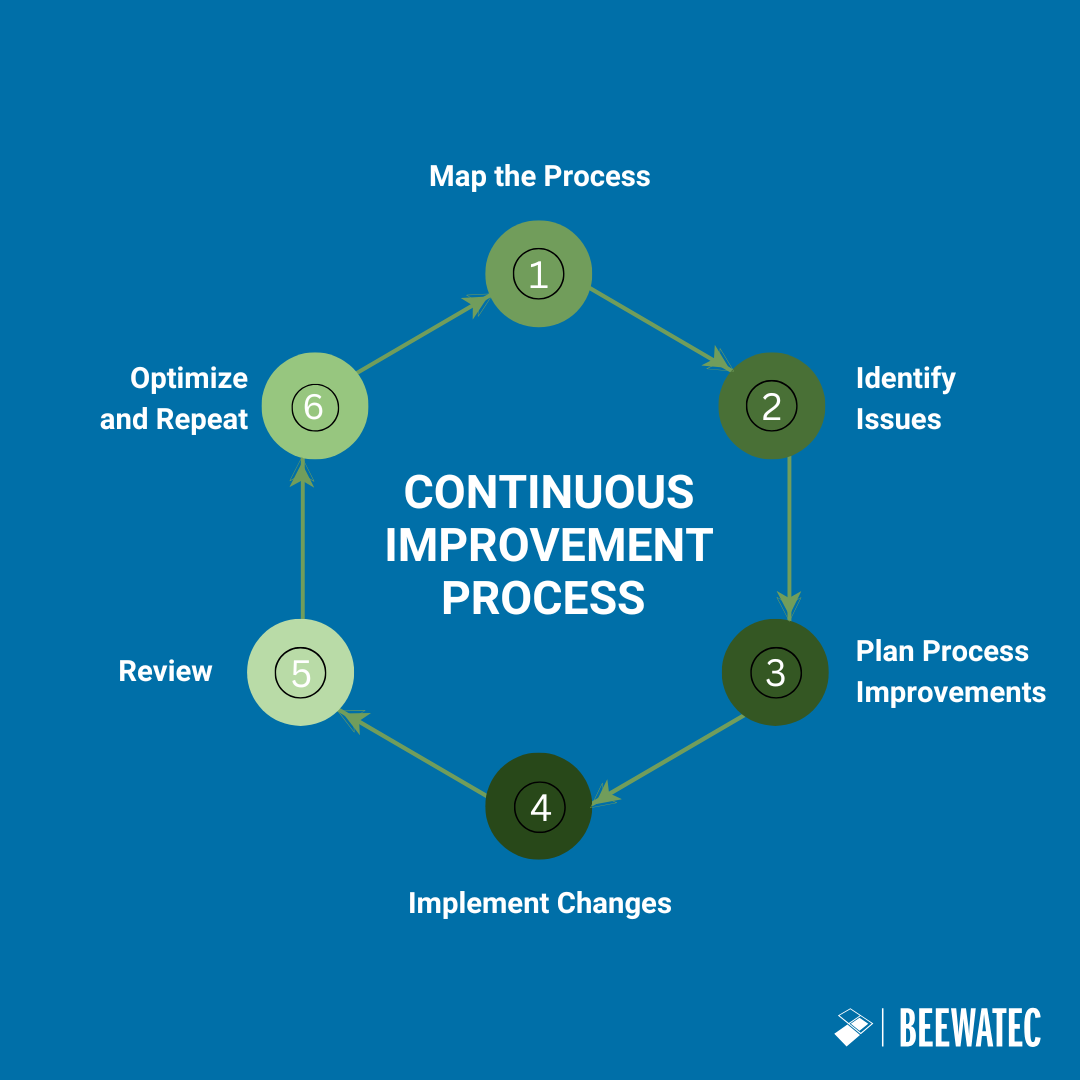
Designing a strong protocol begins with understanding the process itself. Teams must map existing practices, identify risks, and define desired outcomes. This analysis ensures the protocol reflects reality rather than theory.
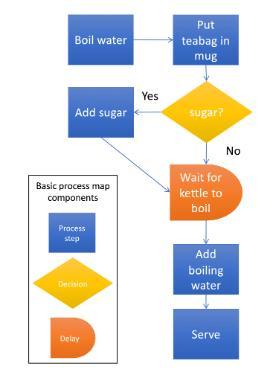

Clarity is essential. Instructions should use direct language and logical sequencing. Ambiguity undermines compliance and increases error rates. Testing and revision are necessary steps before full implementation.

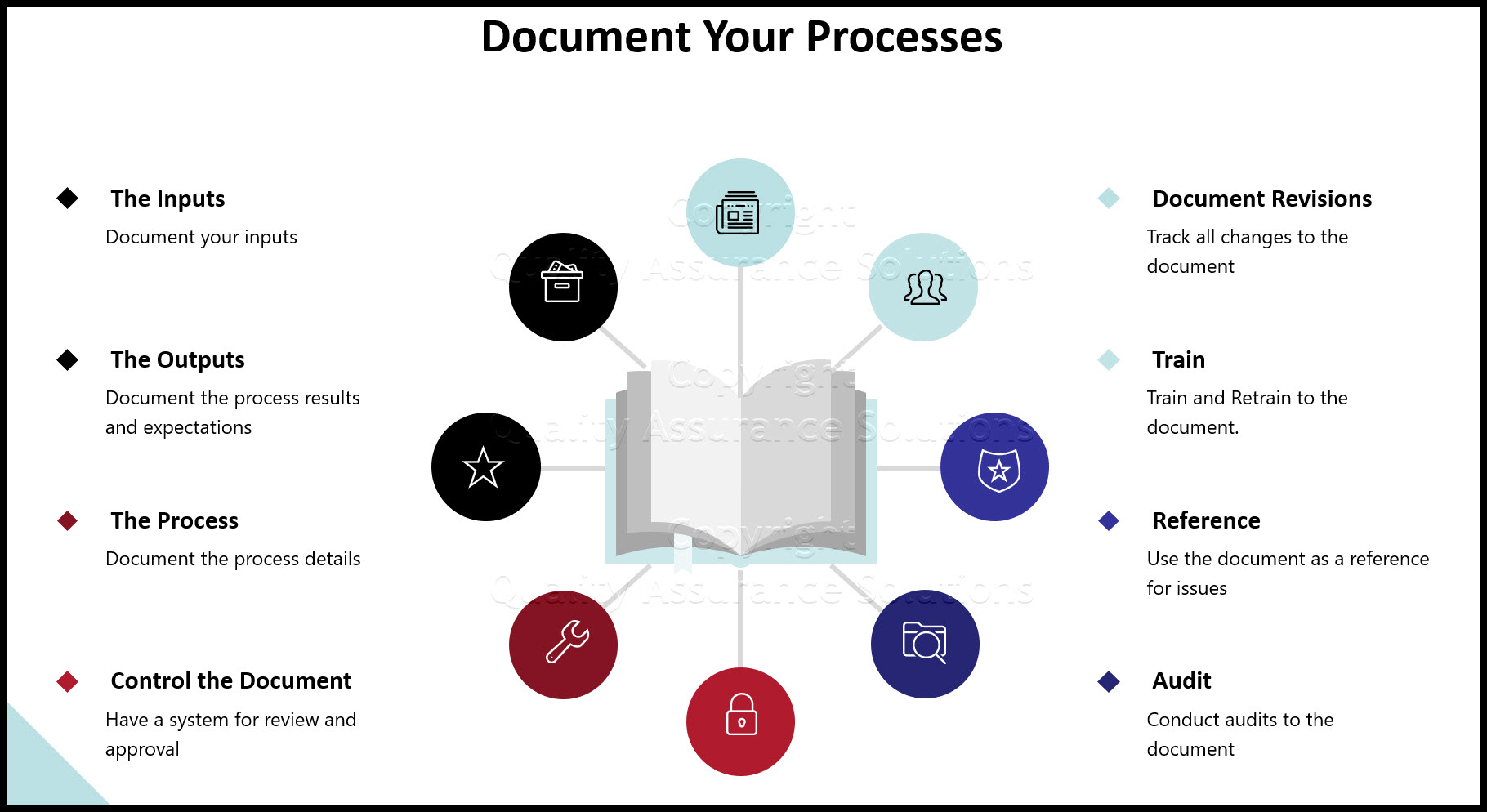
Accessibility determines effectiveness. Protocols must be easy to find, understand, and update. Digital platforms increasingly support this need by integrating procedures directly into workflows.


Challenges and Limitations
Poorly designed protocols can become obstacles rather than supports. Excessive detail or unnecessary steps slow operations and frustrate employees. Balance is critical.

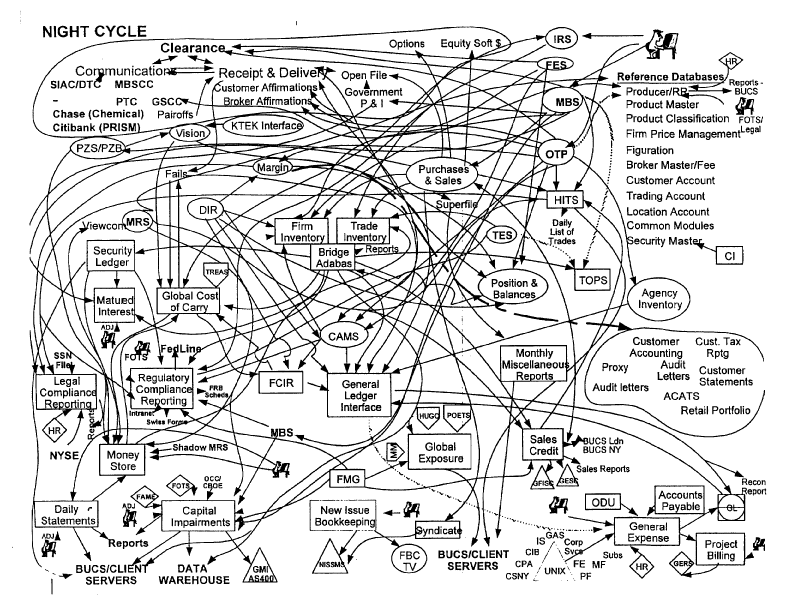
Cultural resistance also poses challenges. Teams may view protocols as restrictive or distrust their purpose. Leadership must communicate that procedures exist to protect and empower, not control.


When protocols exist only on paper, organizations develop a false sense of security. Training, monitoring, and reinforcement are essential for real impact.


Regulatory and Compliance Dimensions
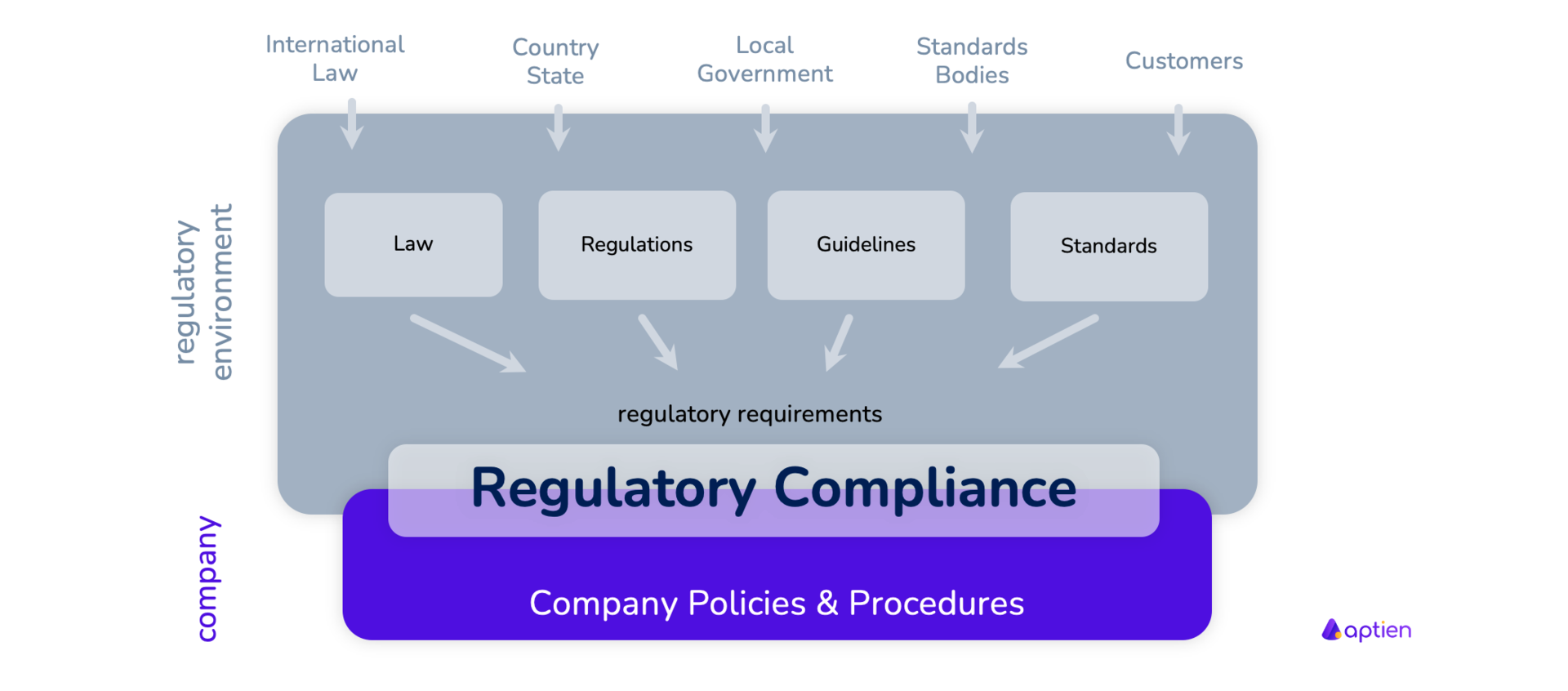
Many industries operate under regulations that require documented procedures. Food safety, aviation, pharmaceuticals, and healthcare all depend on formal protocols to meet legal standards.

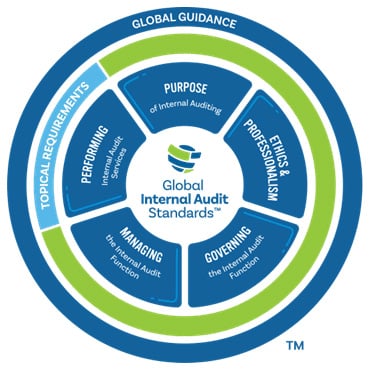
Auditors often evaluate whether organizations follow their own documented procedures. In this sense, a Protocolo Operacional Padrão also serves as legal protection, demonstrating due diligence.
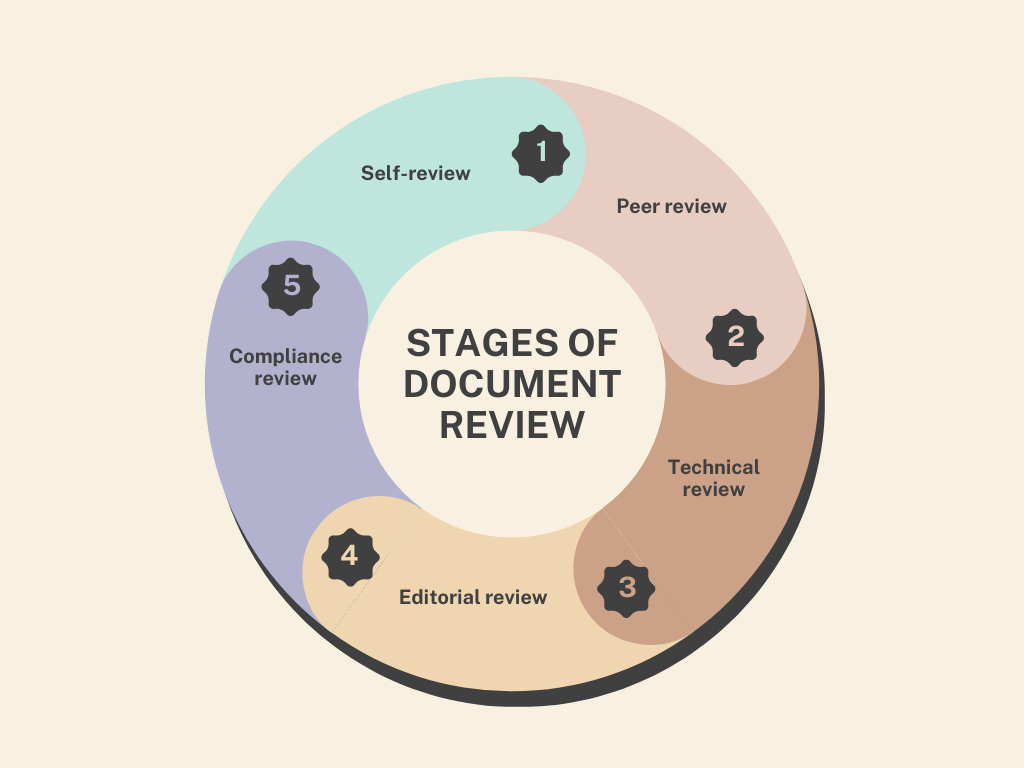

Failure to maintain accurate protocols can result in penalties, reputational damage, or operational shutdowns, reinforcing their strategic importance.

The Digital Transformation of SOPs
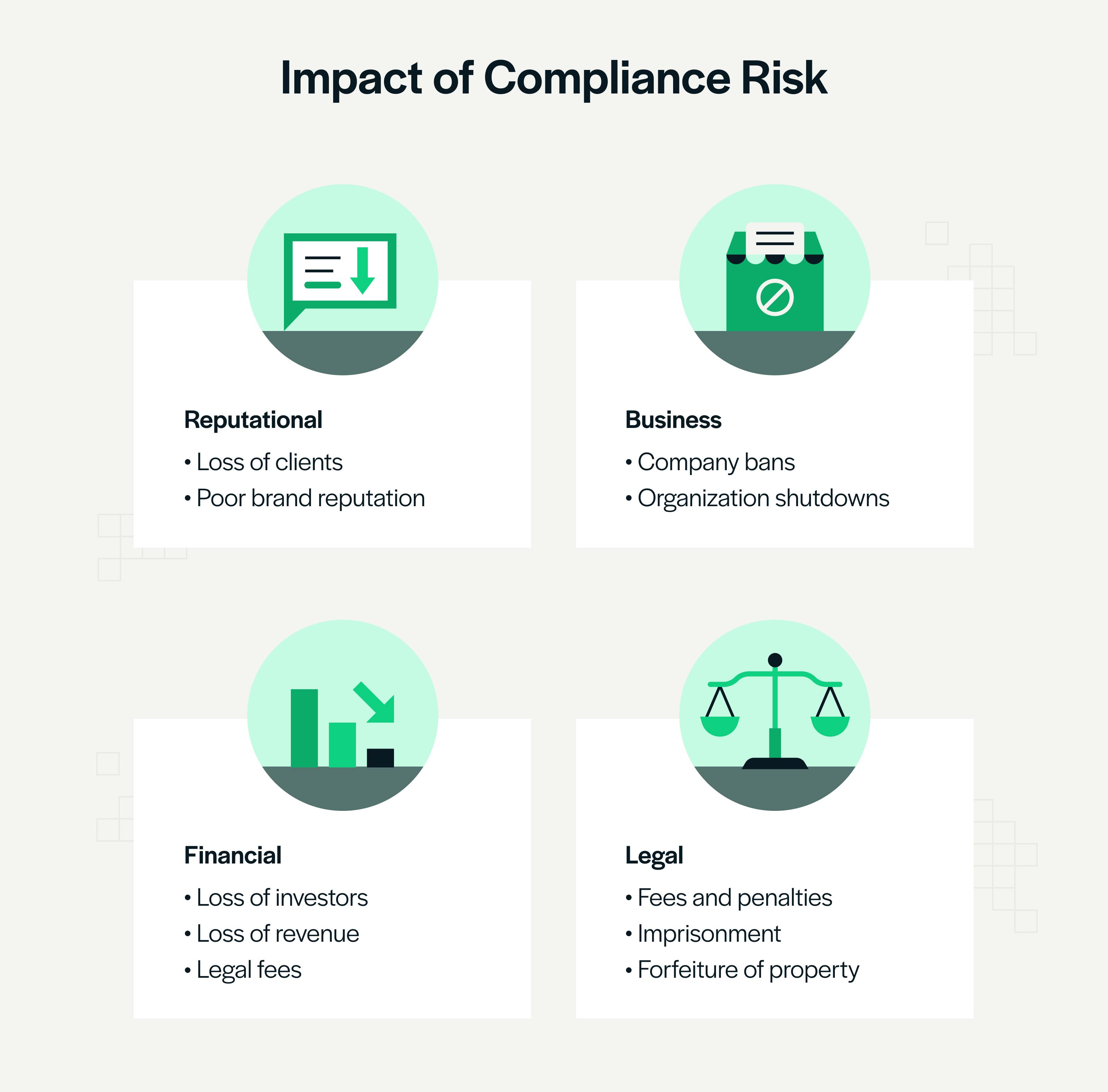
Digital tools have reshaped how organizations manage operational protocols. Cloud systems allow real-time updates and global access, reducing version control issues.


Automation integrates procedures directly into tasks, guiding users step by step. Analytics identify deviations and opportunities for improvement, accelerating learning cycles.


Despite technological advances, the core principle remains unchanged. Clear instructions and shared understanding still define effective operational discipline.
Takeaways
- Protocolo Operacional Padrão ensures consistency and safety.
- It preserves organizational knowledge.
- Standardization supports compliance and accountability.
- Human-centered design improves adoption.
- Continuous revision sustains relevance.
- Digital tools enhance accessibility.

Conclusion
I view the Protocolo Operacional Padrão as a quiet foundation of modern organizations. It turns intention into action and protects performance from chance. Across industries, these protocols create stability in environments defined by complexity and risk.


As work becomes more interconnected and regulated, operational clarity grows more valuable. Organizations that invest in well-designed protocols build resilience and trust.


Ultimately, excellence is rarely accidental. It is designed, documented, and sustained through disciplined systems. The Protocolo Operacional Padrão stands as a testament to that truth.

FAQs
What is a Protocolo Operacional Padrão?
It is a documented procedure that defines standardized steps to perform tasks consistently and safely.

Why are SOPs important?
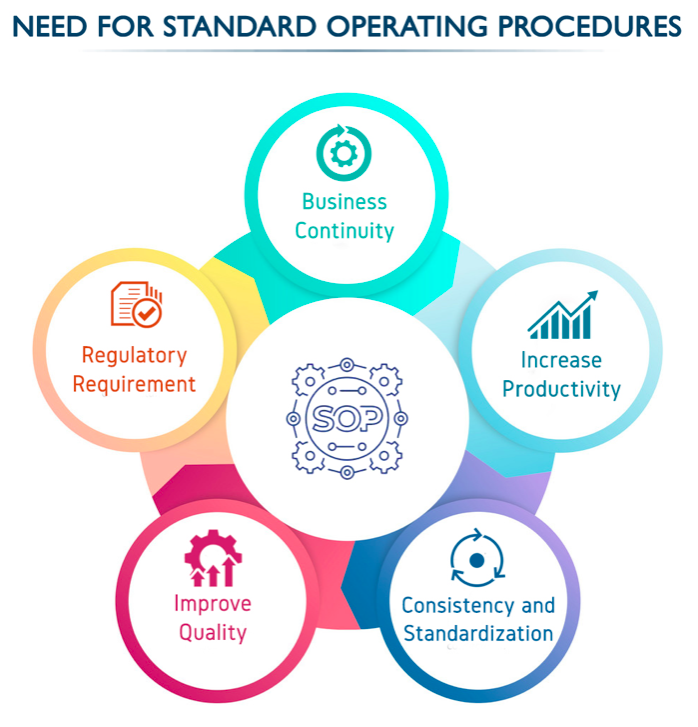
They reduce errors, improve efficiency, and support compliance.


Are SOPs legally required?
In many regulated industries, documented procedures are mandatory.

How often should protocols be updated?
They should be reviewed regularly and updated when conditions change.
Can small businesses use SOPs?
Yes, even small teams benefit from clear, repeatable processes.