
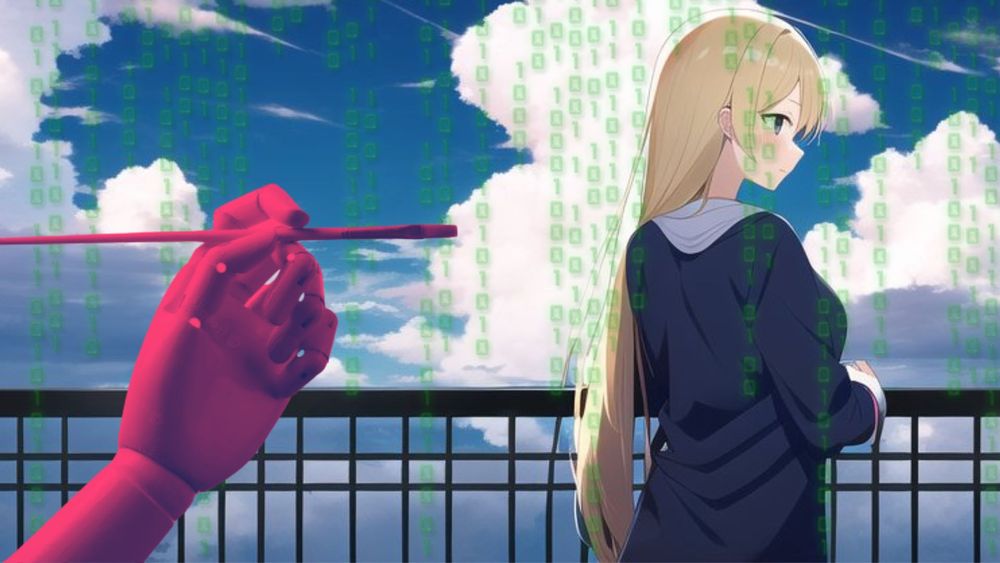
When I first started exploring AI driven creative platforms, I quickly realized that the true power of generative systems does not lie in the model alone. It lies in the prompt. Promptchan represents a growing category of AI based platforms built around prompt driven content generation, where users guide artificial intelligence systems to create digital art, written narratives, stylized characters, and immersive scenes. At its core, Promptchan revolves around structured instructions that shape how generative models interpret user intent.
Unlike traditional content tools that rely on manual design skills, prompt based platforms allow users to describe ideas in natural language. The system then translates those descriptions into images or stories. This approach lowers the technical barrier to entry while increasing creative control. Promptchan stands within this ecosystem as a tool that emphasizes community sharing, character creation, and stylized AI artwork.
In this article, I will explore what Promptchan represents, how prompt based creativity functions, how users interact with such platforms, the ethical considerations involved, and the broader cultural impact of AI generated content. Rather than treating it as a novelty, I will examine it as part of a larger shift in digital creativity where imagination and structured language now operate as design tools.
The Concept Behind Prompt Based Creation


Prompt based creation transforms language into output. Instead of drawing, coding, or manually editing, users describe visual elements, tone, style, and context. The system interprets this description and generates content accordingly.
At a technical level, most platforms in this category rely on diffusion models or transformer based architectures trained on large datasets. These systems recognize patterns between words and visual features. When someone writes, “cyberpunk city at sunset, neon reflections, cinematic lighting,” the model associates each phrase with visual attributes and composes an image accordingly.
The effectiveness of the result depends on clarity and structure. Promptchan and similar platforms encourage detailed prompts because richer descriptions typically produce more refined outputs. Over time, users develop prompt engineering skills, learning how phrasing, modifiers, and stylistic references influence results.
This dynamic turns writing into design. Language becomes brushstroke.
Core Features Commonly Found in Promptchan
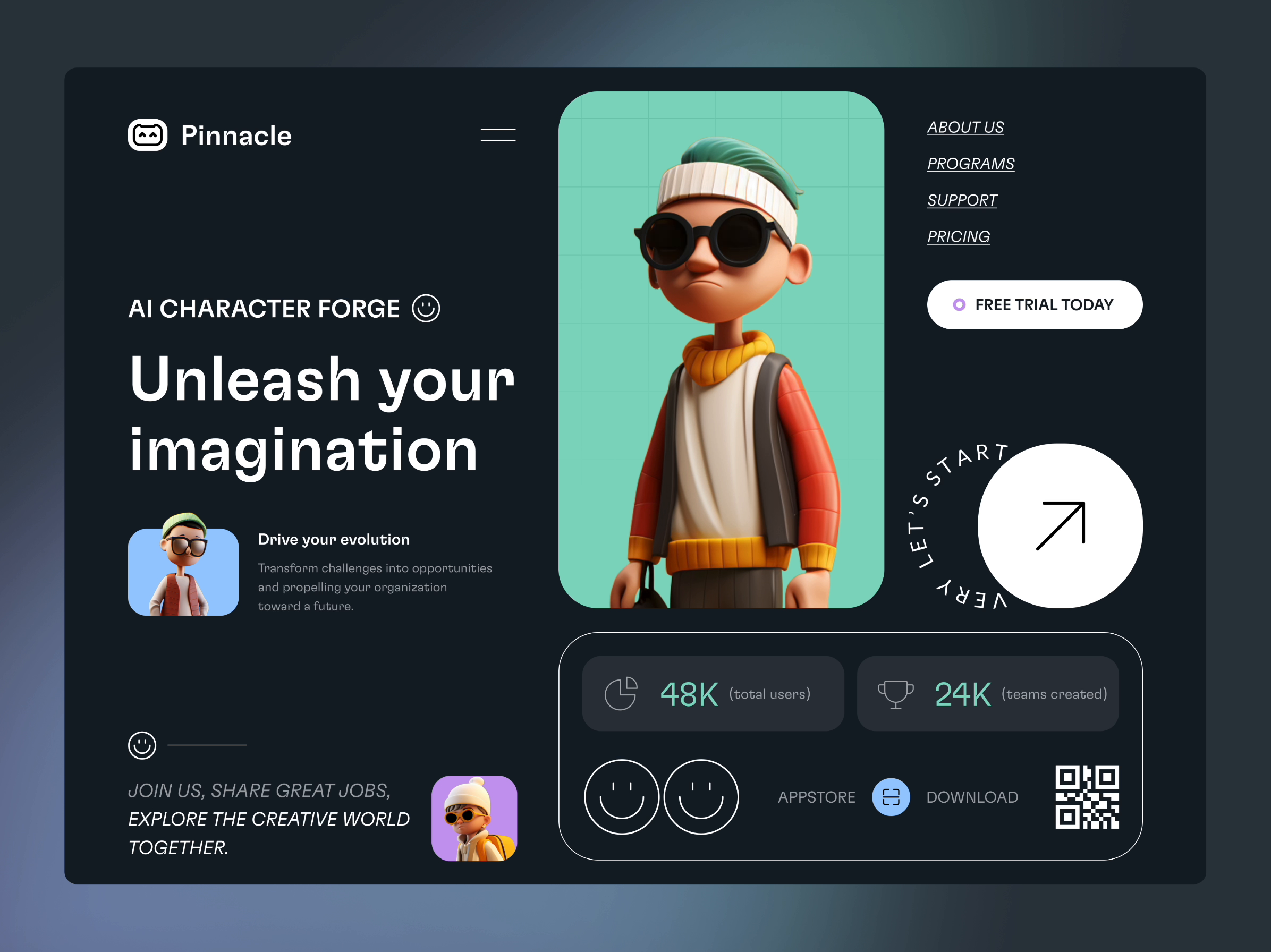

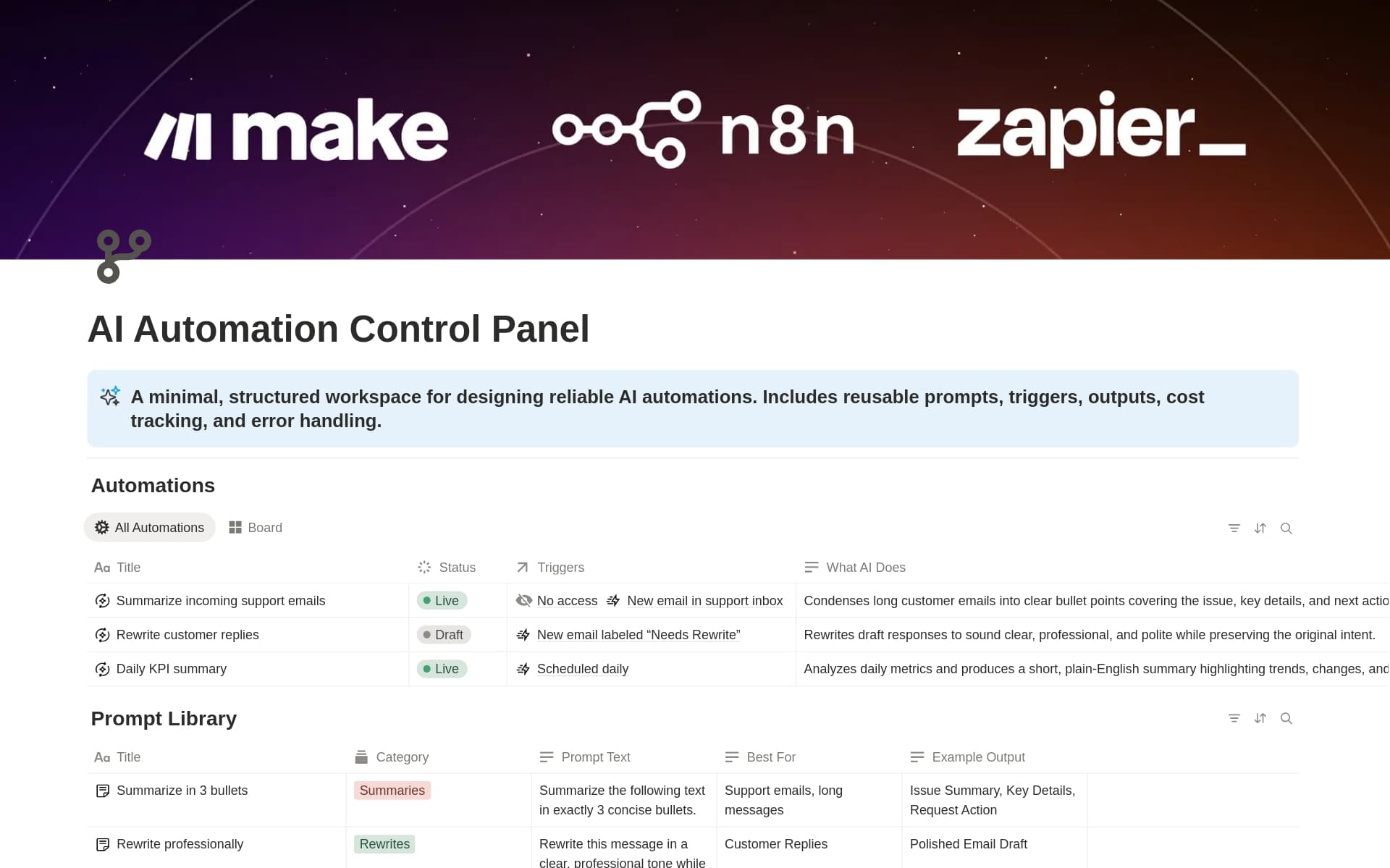
Platforms like Promptchan typically offer several structured capabilities that enhance creative control.
Character Creation Systems
Users can generate original characters by specifying appearance, personality traits, clothing styles, and artistic influences. These systems often allow repeated refinement, meaning users can adjust prompts iteratively until the output matches their vision.
Style Customization
Prompt based tools allow users to select or define artistic styles such as anime, realism, watercolor, comic book illustration, or cinematic render. This flexibility enables both experimentation and consistency.
Prompt Templates
Some platforms provide structured templates where users fill in defined categories such as background, lighting, mood, and camera angle. Templates simplify the learning curve for beginners.
Community Sharing
Prompt sharing encourages collaborative creativity. Users publish effective prompts so others can adapt or improve them. This creates a feedback loop that strengthens prompt literacy across the community.
Together, these features make Promptchan less about passive consumption and more about interactive experimentation.
The Role of Prompt Engineering


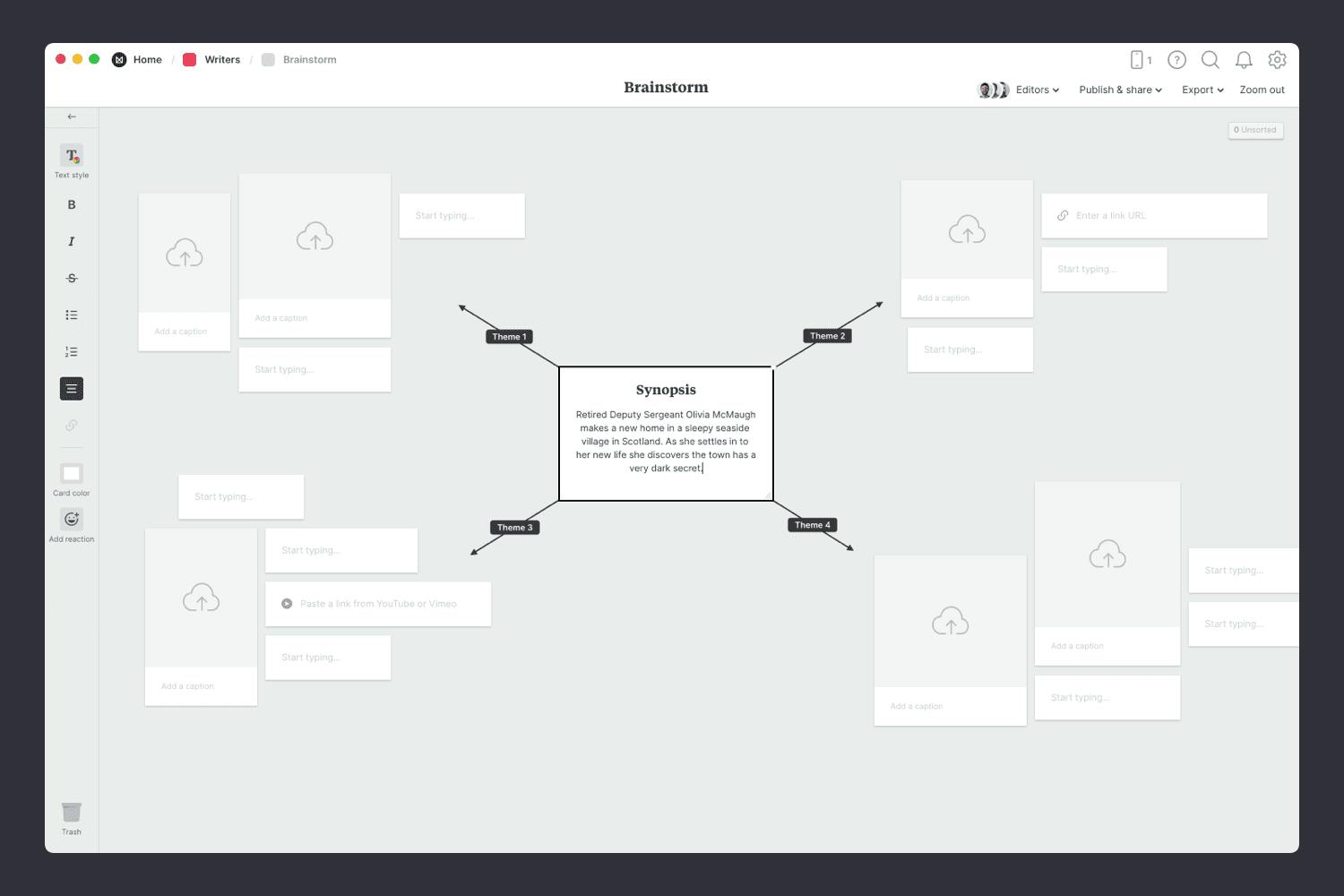
Prompt engineering is both an art and a skill. The difference between a vague instruction and a structured prompt can dramatically change output quality.
For example:
| Prompt Type | Example | Expected Output Quality |
|---|---|---|
| Basic | “Fantasy warrior” | Generic character |
| Detailed | “Female fantasy warrior, silver armor, emerald cloak, cinematic lighting, detailed textures, epic battlefield background” | Highly refined image |
| Structured | “Ultra detailed female warrior, 8k resolution, volumetric lighting, dynamic pose, dramatic sky, painterly realism” | Professional level rendering |
This table illustrates how layered description increases specificity. Promptchan users often experiment with keywords related to resolution, lighting, artistic style, and composition.
Over time, communities develop shared vocabulary that guides generative systems more predictably. In effect, prompt engineering becomes a new form of digital literacy.
Creative Possibilities Across Mediums

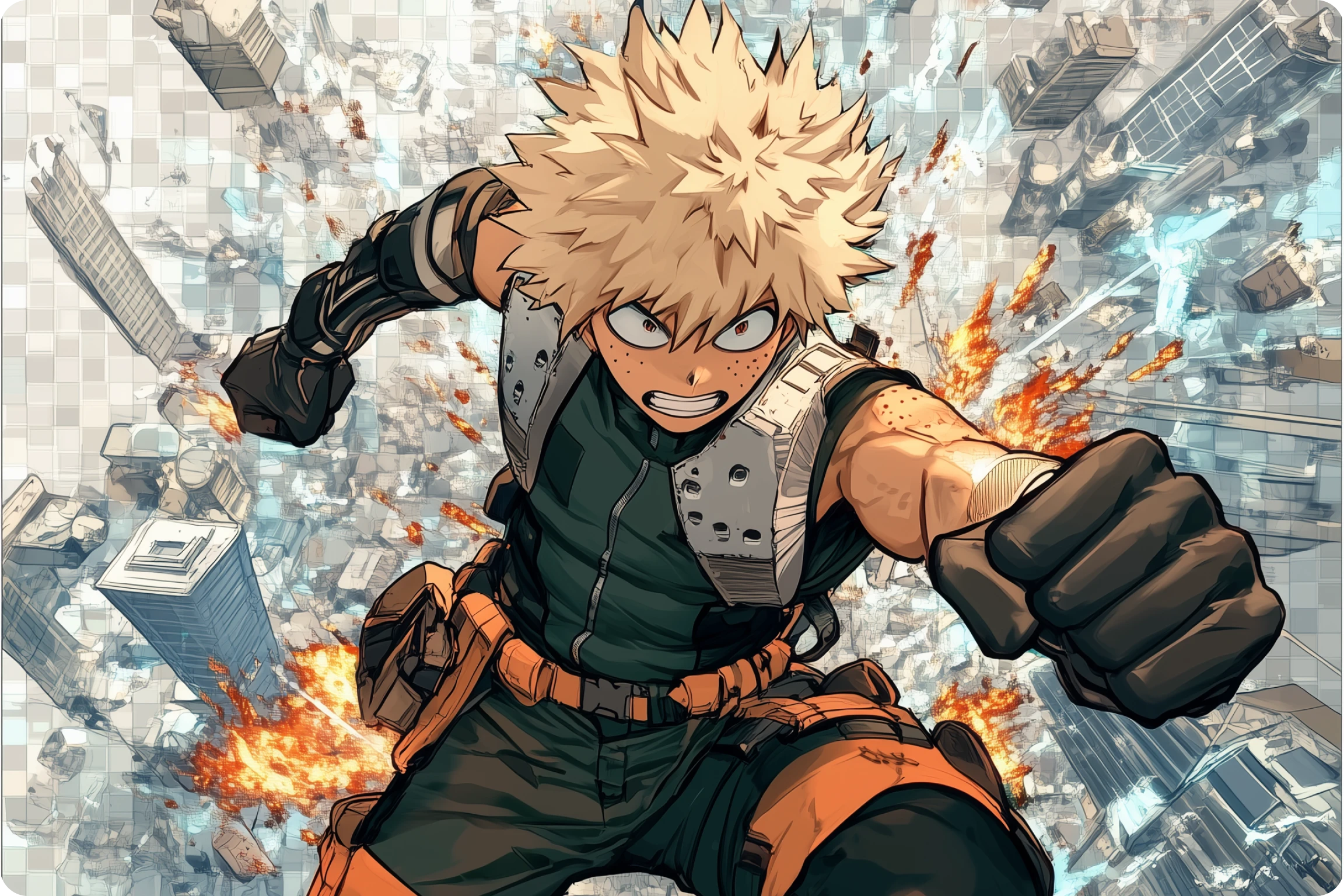

Promptchan is not limited to one artistic format. Its capabilities extend across multiple creative mediums.
Digital Illustration
Artists use prompts to prototype ideas quickly before refining them manually. AI outputs can serve as inspiration boards or concept drafts.
Character Lore Writing
Text generation systems help users expand character backstories, dialogue, and world building details. This is especially useful for role playing communities.
Concept Art Development
Game designers and storytellers experiment with visual themes before committing to final design decisions.
Visual Storyboards
Prompt sequences can generate panels that resemble comic or animation planning drafts.
The ability to move fluidly between text and imagery encourages hybrid storytelling. Users can write a narrative scene and immediately visualize it.
Community Culture and Collaboration
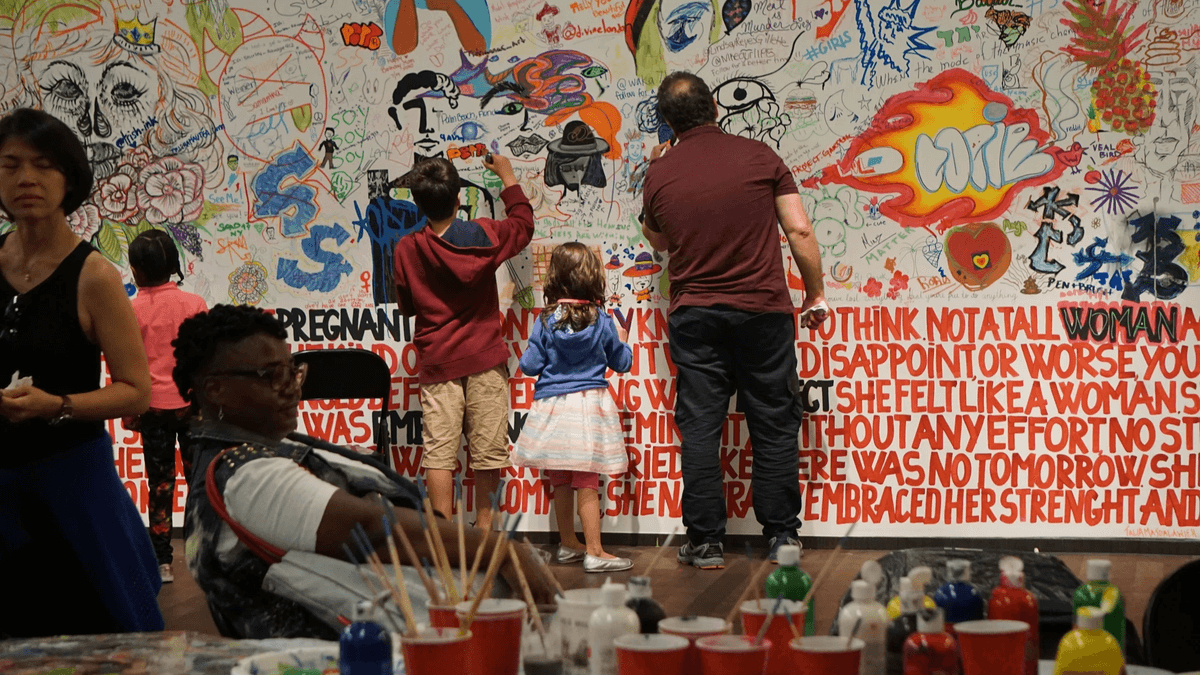

Creative platforms thrive on community interaction. Promptchan users often exchange prompt formulas, refine each other’s ideas, and provide stylistic suggestions.
Collaboration typically follows a cycle:
- User publishes artwork and prompt.
- Others test variations.
- Improvements are suggested.
- Updated prompts circulate.
This participatory culture mirrors open source development. Knowledge spreads horizontally rather than top down.
However, community growth also requires moderation. Clear guidelines ensure respectful interaction and responsible content creation.
Ethical and Responsible Use Considerations

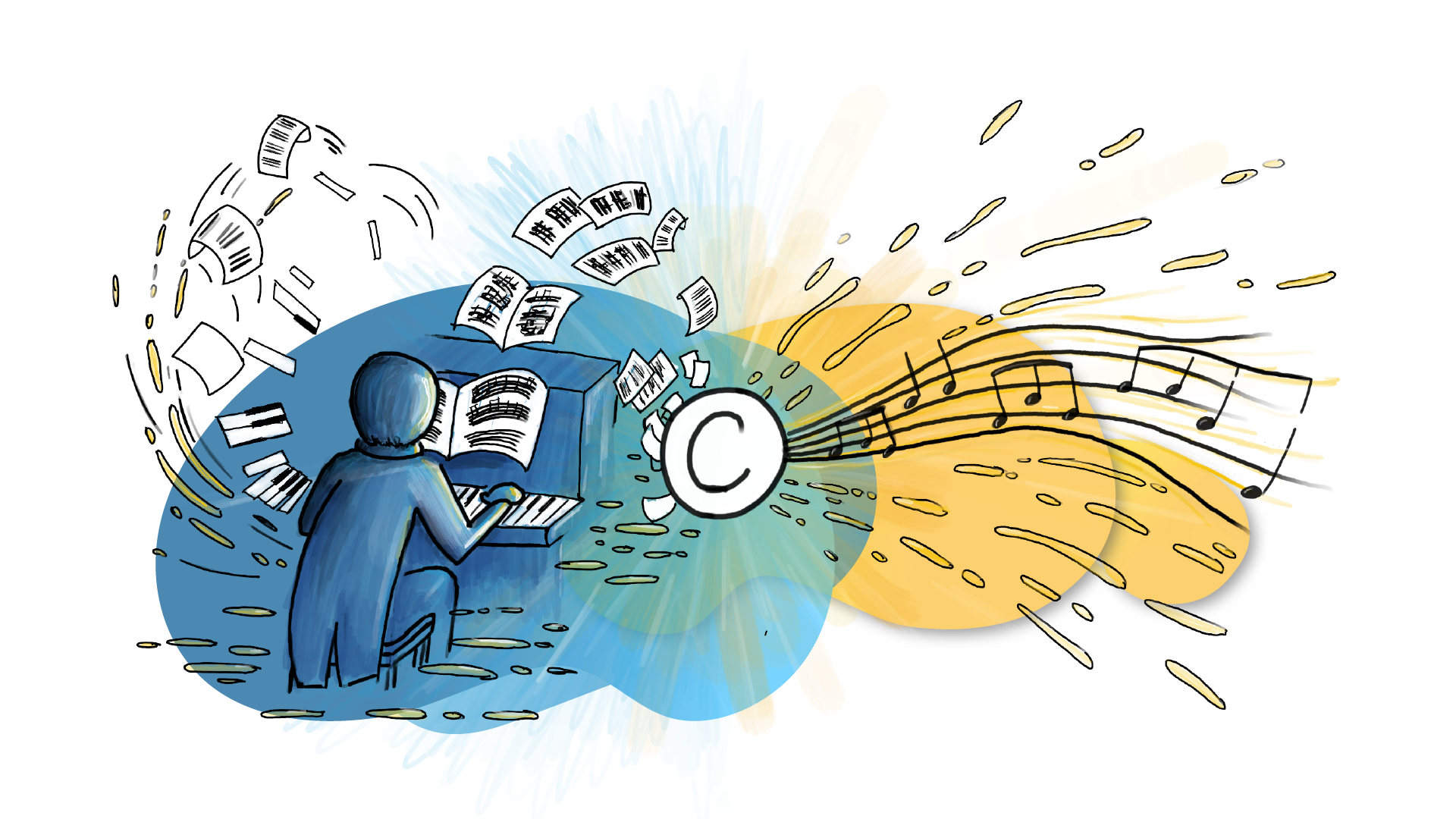
As with all generative platforms, responsible use is essential. Promptchan users must consider originality, consent, and copyright awareness.
Key ethical principles include:
| Principle | Description |
|---|---|
| Respect for Artists | Avoid directly copying identifiable living artists’ styles without permission |
| Consent | Do not generate content depicting real individuals without authorization |
| Transparency | Clearly label AI generated artwork when sharing publicly |
| Content Standards | Avoid harmful, abusive, or misleading material |
Responsible engagement protects both creators and the broader community.
Technical Foundations of Prompt Based Systems


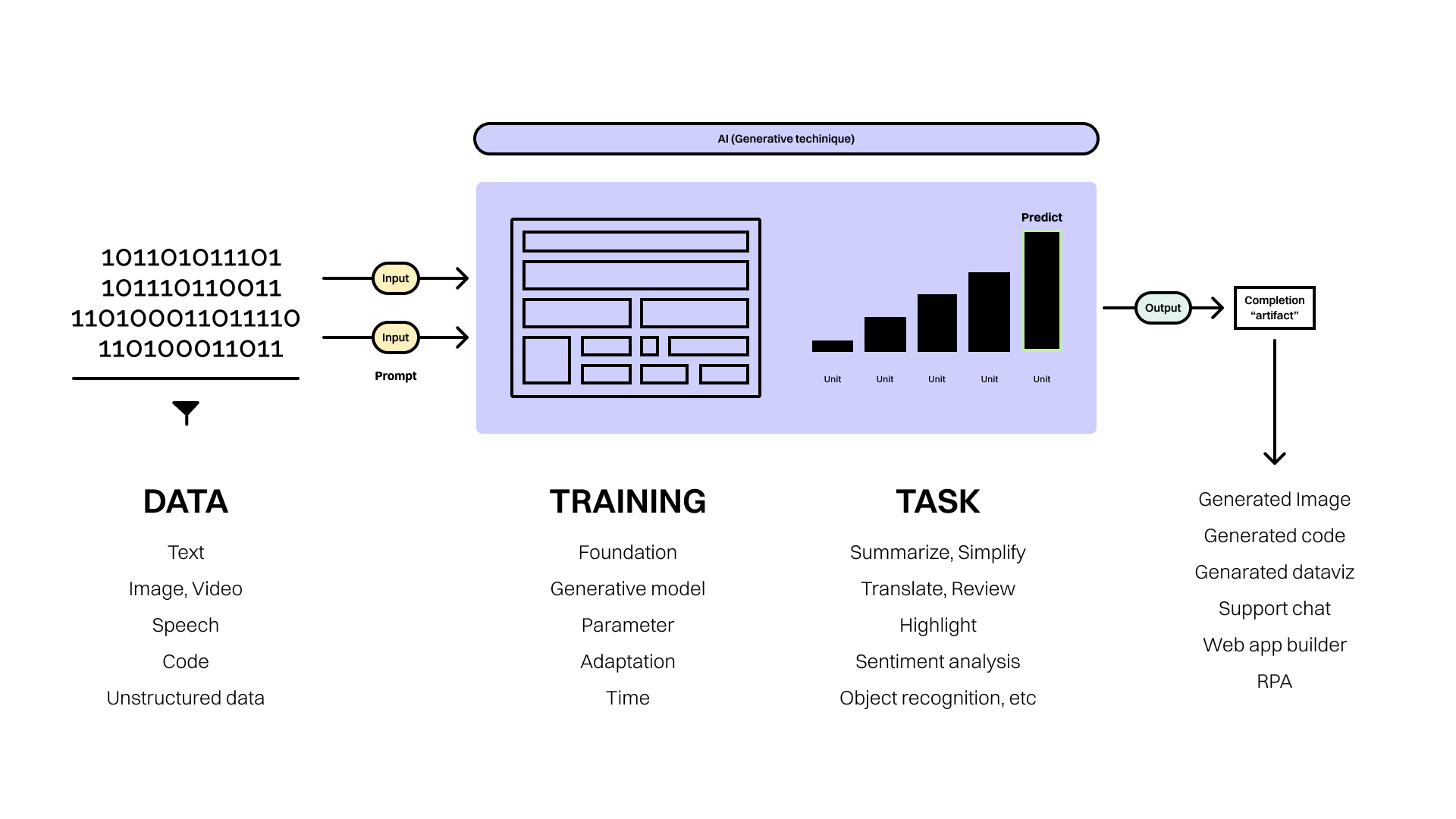
Underneath the user interface, generative systems rely on machine learning architectures trained on extensive datasets.
Diffusion models generate images by gradually refining random noise into coherent visuals based on prompt guidance. Transformer models interpret text context, predicting relationships between words.
Training involves exposure to millions of image text pairs. During inference, the model calculates probability distributions that align the prompt with visual features.
While users do not see this process directly, understanding it helps explain why prompts influence outcomes so strongly. The system is essentially mapping language patterns onto visual probability spaces.
Advantages and Limitations

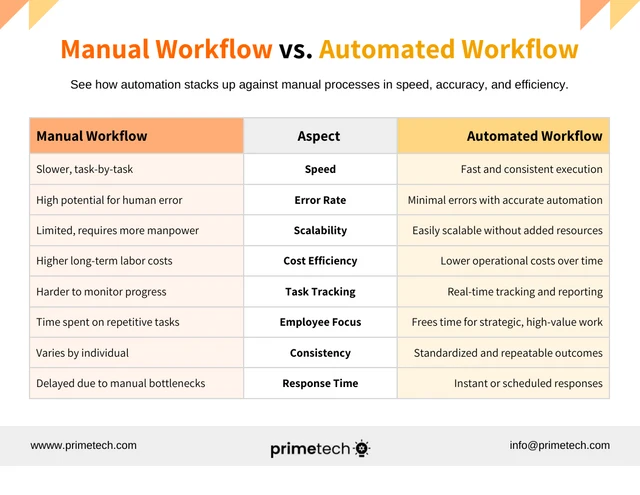
Every tool has strengths and constraints.
Advantages
- Rapid idea generation
- Accessible to non artists
- Encourages experimentation
- Enhances storytelling
Limitations
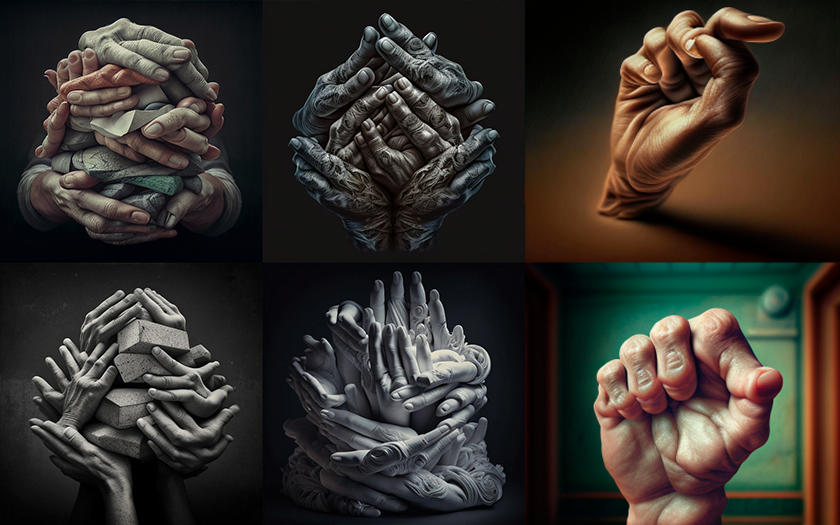
- Inconsistent outputs
- Requires prompt refinement
- Potential repetition in style
- Ethical misuse risks
Balanced understanding allows users to maximize creativity without overestimating capabilities.
Future Outlook of Prompt Driven Platforms

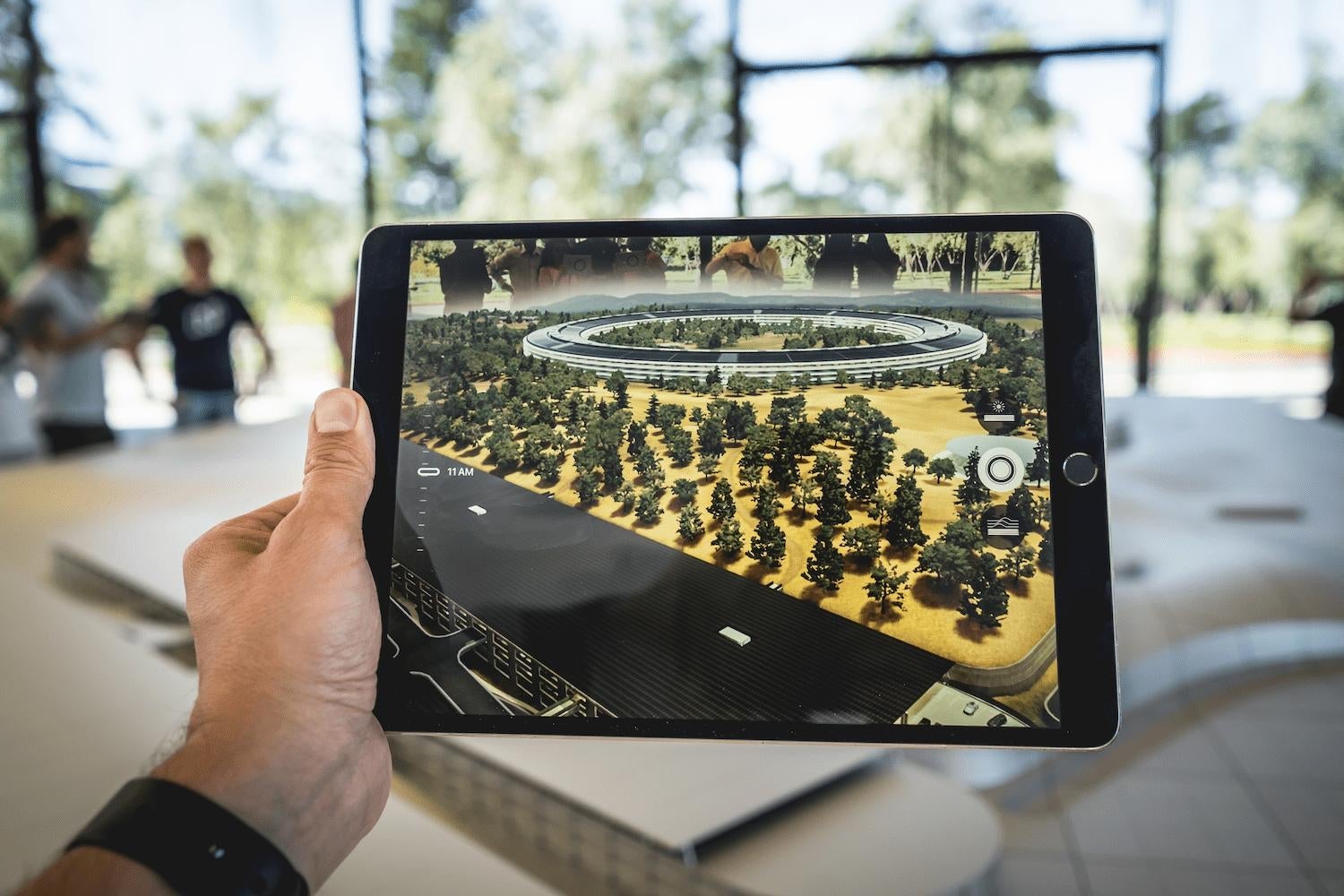

Prompt based systems are likely to evolve toward greater personalization. Users may train custom style models based on their own artwork. Multimodal systems will merge text, voice, and gesture input.
Integration with virtual reality and augmented reality environments could allow real time scene generation through spoken description.
As computational efficiency improves, output quality will become more consistent and realistic.
The future of Promptchan and similar platforms lies not only in better images, but in deeper collaboration between human imagination and machine interpretation.
Conclusion
Promptchan represents a broader transformation in digital creativity. Instead of replacing artists, it expands access to creative expression. Language becomes a design instrument. Structured prompts become the blueprint for visual storytelling. While ethical responsibility remains crucial, the technology empowers experimentation on a scale previously unavailable to individuals without formal artistic training.
I see prompt driven creativity not as the end of human artistry but as an extension of it. When used thoughtfully, these tools amplify imagination rather than diminish it. The key is intentional engagement, community respect, and continuous refinement of both prompts and principles.
Read: Flexgate MacBook Pro 2016: Causes, Symptoms, and Practical Solutions
FAQs
1. What is Promptchan used for?
It is used for generating AI driven images, characters, and creative content through structured text prompts.
2. Do I need drawing skills to use it?
No. The system translates written descriptions into visuals.
3. Can prompts be reused?
Yes. Many users share and refine prompts collaboratively.
4. Is AI art considered original?
Originality depends on how prompts are constructed and whether ethical guidelines are followed.
5. Does prompt engineering require technical knowledge?
Not necessarily. Practice and experimentation improve results over time.