Watching a child walk down the aisle in a crisp white dress or a tailored suit is a moment that stays etched in a parent’s memory forever. The primera comunion is not just another party; it is one of the most significant “rites of passage” in the Catholic faith. In 2026, families are finding beautiful ways to blend centuries-old spiritual traditions with modern, personalized celebrations that reflect their unique heritage. Whether you are hosting an intimate gathering or a grand reception, understanding the heart of this event is essential for a meaningful experience.
I have spent years covering the intersection of culture and celebration, and I’ve seen how these milestones evolve. For 2026, we see a shift away from over-the-top, stressful productions toward events that prioritize family connection and spiritual depth. You will learn about the latest fashion choices for the season, how to organize a reception that guests will actually enjoy, and how to keep the focus on the child’s big step in their faith journey. Let’s explore how to make this day as special as the commitment it represents.
The Spiritual Heart of the Primera Comunion
At its core, the primera comunion is the first time a person receives the Eucharist, which Catholics believe is the body and blood of Christ. It usually happens around the age of seven or eight, often called the “age of reason.” This is when children are considered old enough to understand the basic tenets of their faith. The preparation often takes a year or more of religious education classes, making the ceremony the culmination of significant effort and learning.
In 2026, many parishes are encouraging “family-centered” preparation. Instead of just dropping kids off at class, parents participate in workshops and service projects together. This strengthens the bond between the child and their community. When you attend the ceremony, you will notice the solemnity of the occasion. The white clothing worn by the children symbolizes purity and the new life they are embracing within the church. It’s a visual link back to their baptism, often reflected by the use of a baptismal candle during the service.
Fashion Trends for First Communicants in 2026
As someone with a background from the London College of Fashion, I pay close attention to the shifting silhouettes of ceremonial wear. For the 2026 primera comunion season, we see a strong return to “vintage-inspired” elegance. For girls, this means heavy use of Spanish lace, plumeti fabrics, and tea-length hemlines that offer a nod to the 1950s. Designers like Rosa Clará and Pronovias are leading the way with dresses that feature delicate back details and detachable capes, which are perfect for transitioning from a cool church to a warm afternoon reception.
For boys, the classic “sailor suit” remains a beloved tradition in many cultures, particularly in Spain and Latin America. However, in 2026, we see a rise in “relaxed tailoring.” Linen suits in soft shades of stone, dusty blue, and sage green are replacing the stiff, dark navy wools of the past. These fabrics are more comfortable for children and photograph beautifully in natural light. Pair these with a clean pair of leather loafers for a look that is sophisticated but still age-appropriate.
Sustainability is another major factor in 2026 fashion. Many families are opting for “heirloom” pieces—dresses or veils passed down through generations and updated with modern tailoring. Alternatively, purchasing from brands that use organic cotton and ethical manufacturing processes has become a priority for the modern, conscious parent.
Planning a Memorable 2026 Reception
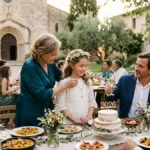
The reception following the church service is where the celebration truly begins. In 2026, the trend for a primera comunion party is “alfresco elegance.” Think garden parties with long wooden tables, floral centerpieces featuring wildflowers, and plenty of natural greenery. This setup provides a relaxed environment where children can play and adults can converse without the formality of a ballroom.
Catering has also evolved. Instead of standard buffet lines, families are choosing “interactive stations.” A taco bar, a fresh pasta station, or a wood-fired pizza oven provides a fun, customizable dining experience. For the dessert table, the 2026 aesthetic is “minimalist chic.” A single-tier white cake decorated with fresh olive branches or gold leaf is often the centerpiece, surrounded by smaller treats like macarons, churros, or personalized cookies.
Entertainment for the kids is a must. Since the primary guest of honor is a child, the activities should reflect that. Hiring a professional to lead organized games, setting up a “photo booth” with fun religious and floral props, or even having a bubble artist can keep the younger guests occupied while the adults enjoy their meal. Remember to have a designated area for the child to change out of their formal attire after the photos are finished so they can join in the fun without worrying about their clothes.
Meaningful Gift Ideas for 2026
Gift-giving for a primera comunion requires a balance between the religious nature of the day and the child’s personal interests. In 2026, “experience gifts” are gaining popularity. This might include a special day trip with godparents or a subscription to a religious-themed book club for children. These gifts create lasting memories rather than just adding more toys to a bedroom.
For traditional keepsakes, personalized jewelry remains a top choice. A small gold cross necklace, a “Miraculous Medal,” or a bracelet with the child’s initials and the date of their communion are classic options. In 2026, we also see a trend toward “customized bibles” or prayer books that feature the child’s name and a personal message from the family on the cover.
If you prefer to give a more modern gift, consider a high-quality “prayer journal” or a set of art supplies for a child who enjoys expressing their faith through creativity. Whatever you choose, including a handwritten letter explaining why this day is important and expressing your pride in the child is often the most cherished part of the gift.
Photography Trends: Capturing the Day
In 2026, the way we document a primera comunion has changed. While professional studio portraits are still common, “documentary-style” photography is the preferred method for the day itself. This involves a photographer capturing candid moments—the nervous smile before entering the church, the hug from a grandparent, or the laughter during the reception. These photos tell a much richer story than a posed lineup.
“Drone photography” for outdoor receptions is also a 2026 staple, providing a unique bird’s-eye view of the gathering. For social media, “reels” that compile short clips from the preparation, the ceremony, and the party are the standard way families share the joy with distant relatives. However, many parents are opting for “unplugged” ceremonies, asking guests to keep their phones away during the church service to maintain the solemnity of the moment and let the professional handle the visuals.
Expert Tips for a Stress-Free Celebration
Planning such a significant event can feel overwhelming. Here are my top strategies for keeping your 2026 celebration on track:
- Book Your Venue Early: In 2026, popular garden venues and restaurants fill up fast for the spring communion season. Aim to have your location secured at least six to eight months in advance.
- Prioritize the Guest List: It is easy for the numbers to spiral. Focus on close family and the people who have been active in the child’s life and faith journey.
- Delegate the Small Stuff: Don’t try to be the photographer, the host, and the coordinator all at once. Ask a trusted friend or family member to help manage the timeline on the day.
- Focus on the Child’s Comfort: Ensure their shoes are broken in before the big day and that their outfit isn’t itchy or too tight. A comfortable child is a happy child.
- Include the Child in the Planning: Let them choose the flavor of the cake or a specific song for the reception. Giving them “ownership” of the party makes them feel even more special.
Celebrating a Milestone of Faith
The primera comunion is a vibrant intersection of faith, family, and tradition. In 2026, the most successful celebrations are those that manage to feel both ancient and contemporary. By focusing on the spiritual significance of the day while embracing modern touches in fashion and reception planning, you create an environment where your child feels the full weight and joy of their commitment.
As the day comes to a close and the white dress is hung up or the suit is put away, the real journey begins. The “First” Communion is just that—the first of many. The goal of the celebration is to ignite a lifelong connection to the community and the faith. When you look back at the photos years from now, you won’t just see a party; you will see the start of a beautiful story.
Frequently Asked Questions
What is the typical age for a primera comunion?
In the Catholic Church, children usually receive their first communion around the age of seven or eight, which is traditionally known as the “age of reason.” However, this can vary based on individual maturity and the specific requirements of the parish.
What should guests wear to a primera comunion ceremony?
Guests should dress in “Sunday best” or semi-formal attire. For men, this usually means a suit or a dress shirt with slacks. For women, a modest dress or a skirt and blouse is appropriate. Avoid anything too casual, like jeans or athletic wear, out of respect for the religious setting.
How long does a primera comunion service usually last?
A typical First Communion Mass usually lasts between 60 and 90 minutes. This includes the standard parts of the Mass plus the time it takes for all the children to receive the Eucharist for the first time.
Is it necessary to have a large party afterward?
Not at all. While large receptions are common in some cultures, an intimate lunch with just the immediate family and godparents is perfectly acceptable. The size of the party should reflect your family’s preferences and budget.
Do I need to give a gift if I am invited to the ceremony?
It is customary to give a gift to the child celebrating their primera comunion. While religious items are traditional, a thoughtful card with a small amount of money or a personalized keepsake is also very common in 2026.
Can non-Catholics attend the ceremony?
Yes, non-Catholics are absolutely welcome to attend the Mass to support the child. However, they should remain in their pews during the distribution of the Eucharist, as receiving communion is reserved for those in the Catholic faith.