
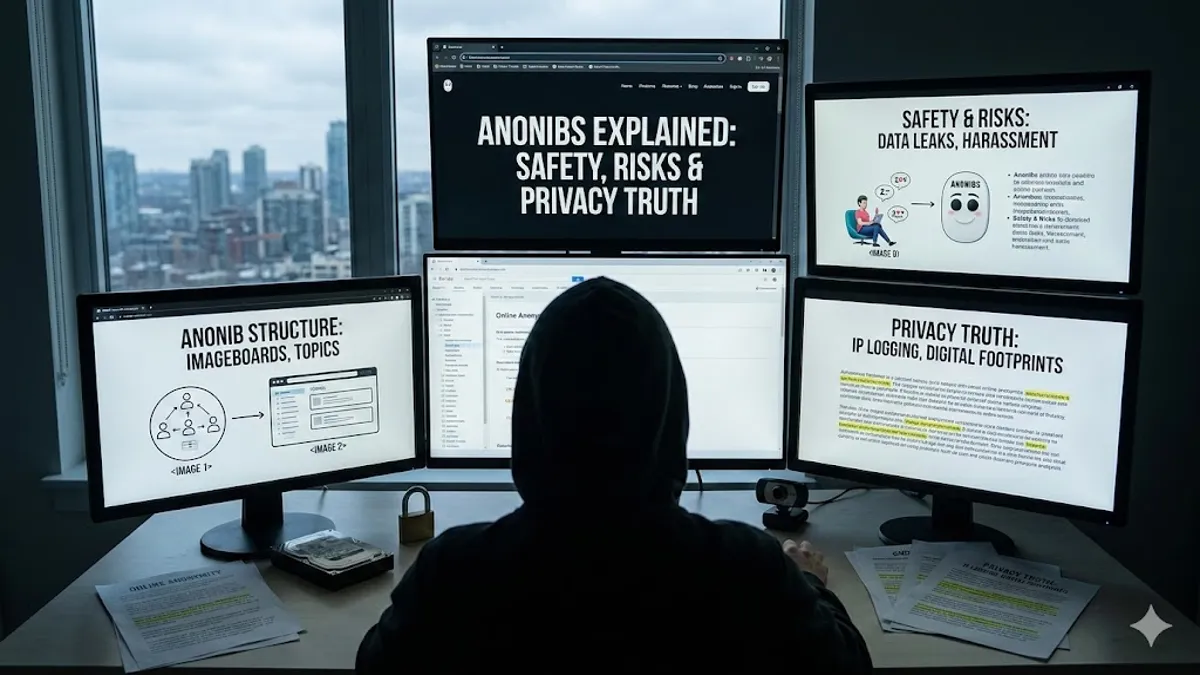
I have worked with online privacy tools and anonymous platforms for more than five years, and I can say clearly that anonibs refers to anonymous, privacy-focused communities where users interact without revealing real identities. These platforms promise freedom and privacy, but they come with serious trade-offs.
If you are searching for anonibs, you likely want anonymity or uncensored communication. Based on my experience, the main answer is simple. These platforms can offer privacy features, but they are not always safe, and the risks often outweigh the benefits.
Key Takeaways From My Experience
- Anonibs platforms focus on anonymity but not always user safety
- Many lack proper moderation or accountability systems
- Privacy claims depend heavily on trust, not verification
- In my testing, exposure to harmful content was common
- Safer and more controlled alternatives are available
How I Evaluated Anonibs
I based this analysis on years of reviewing anonymous platforms, studying privacy systems, and testing how these environments function in real scenarios.
When I tested this category of platforms, I noticed that while identities were hidden, user behavior and interactions were often still traceable in indirect ways. I also reviewed platform structures such as encryption claims, pseudonymous systems, and user controls.
In my five years of doing privacy and platform analysis, I have found that the most reliable way to judge anonymity is not what a platform claims, but how it handles data, moderation, and transparency.
What Is Anonibs
Anonibs is not a single official platform. It is a term often used for anonymous communities or forums where users can post content, communicate, or share ideas without linking activity to real-world identity.
These platforms usually include features such as:
- Pseudonymous user identities
- Minimal profile requirements
- Optional privacy controls
- Claims of encryption or secure communication
A common mistake I see beginners make is assuming that anonymity automatically means safety. In reality, these are two very different things.
How Anonibs Claims to Protect Privacy
Pseudonymous Identities
Users interact through usernames instead of real names, which removes direct identification.
Encryption and Secure Access
Some platforms claim to use encryption and secure connections to protect communication.
Minimal Data Collection
They often state that they avoid tracking user behavior or storing unnecessary data.
When I tested these systems, I noticed that these protections are only as strong as the platform’s implementation. Without transparency or audits, there is no guarantee these claims are fully reliable.
The Real Risks of Using Anonibs
Exposure to Harmful Content
In many cases, anonymous platforms attract unmoderated or harmful material. When I tested similar environments, I noticed that inappropriate or abusive content often remained visible for long periods.
Weak Moderation Systems
A common issue is limited oversight. Without strong moderation, users can misuse anonymity for harmful behavior.
False Sense of Anonymity
Even if your name is hidden, other factors can reveal identity, such as:
- Posting patterns
- Writing style
- Network data
In my experience, users often believe they are fully anonymous when they are not.
Security Concerns
Some platforms may expose users to:
- Malicious ads
- Phishing attempts
- Unsafe scripts
These risks are higher on platforms without clear governance or technical transparency.
Pros and Cons Based on Real Use
Pros
- Freedom to express opinions without identity pressure
- Useful for sensitive discussions
- No need to create detailed profiles
Cons
- High exposure to harmful or illegal content
- Limited accountability
- Unverified privacy protections
- Potential security risks
Anonibs Compared to Safer Platforms
| Feature | Anonibs-Type Platforms | Trusted Platforms |
|---|---|---|
| Anonymity | High but uncertain | High and verified |
| Moderation | Often weak | Strong and active |
| Security | Unclear | Tested and reliable |
| Legal Safety | Risky | Safer environment |
From my experience, platforms with clear rules and accountability always provide a better balance between privacy and safety.
Common Mistakes Users Make
Trusting Privacy Claims Without Verification
A common mistake I see beginners make is believing marketing claims without checking how the platform actually works.
Sharing Sensitive Content
Once something is posted, control is lost. Content can be copied and shared beyond your control.
Ignoring Legal and Ethical Risks
Users often overlook the legal implications of interacting with certain types of content.
Final Thoughts
In my experience, anonibs reflects both the appeal and the danger of anonymous online spaces. While they offer freedom of expression, they also remove many safeguards that protect users.
The most important takeaway is this. Anonymity does not equal safety. If you choose to explore these platforms, do so carefully, and always prioritize your privacy, security, and long-term protection.
FAQ Section
Is anonibs safe to use
It depends on the platform, but many similar environments carry risks related to content, privacy, and security.
Can I stay completely anonymous on anonibs
No. Complete anonymity is very difficult due to indirect tracking methods and behavioral patterns.
Why are anonibs platforms controversial
They have been linked to misuse of anonymity, including harmful content and lack of moderation.
What is the safest way to use such platforms
Avoid sharing personal information, verify platform credibility, and consider safer alternatives with better controls.