
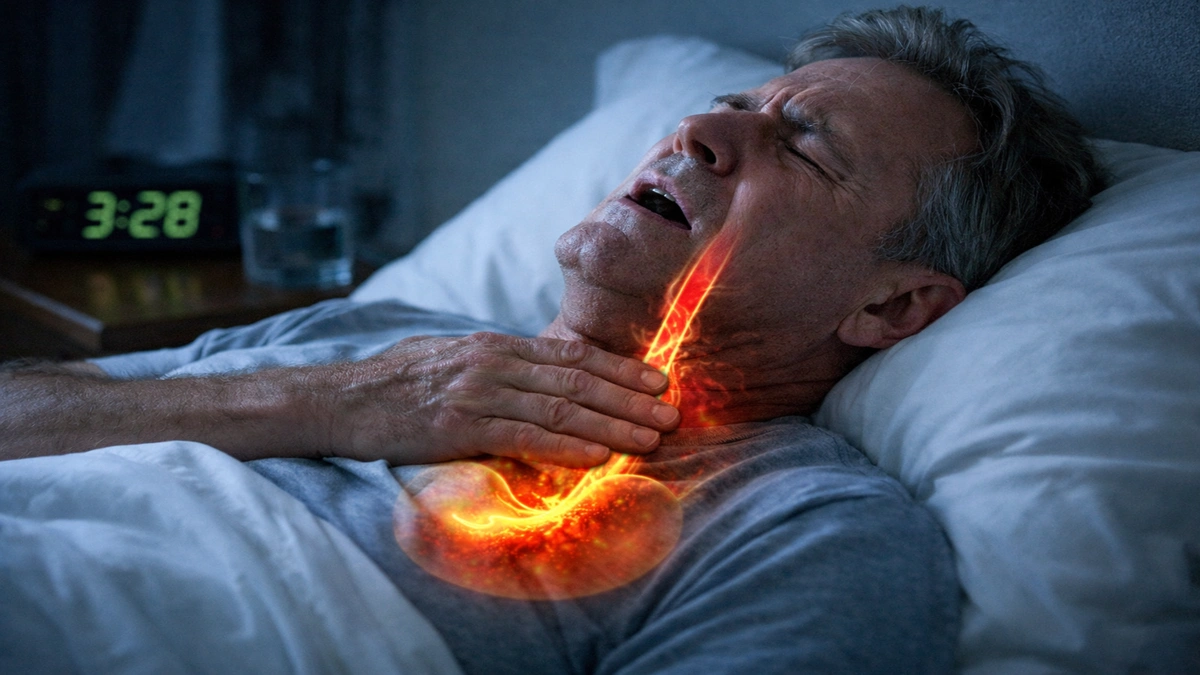
I understand why this question keeps people awake at night. When acid rises in the chest, burns the throat, and interrupts breathing during sleep, fear often follows. People search for a simple answer to a frightening possibility: can you die from acid reflux in your sleep? Based on medical evidence and clinical understanding, the answer is nuanced. Ordinary acid reflux itself does not directly cause sudden death during sleep. However, severe and untreated gastroesophageal reflux disease, known as GERD, can contribute to rare but serious complications over time that may become life-threatening under specific circumstances.
For most people, nighttime reflux is painful, disruptive, and exhausting, but not deadly. The danger does not come from a single episode of heartburn. It comes from chronic exposure, repeated aspiration, and long-term tissue damage when reflux goes unmanaged. Understanding this distinction matters. Fear thrives in uncertainty, and reflux symptoms can feel dramatic, especially at night when the body is horizontal and defenses are reduced.
I approach this topic carefully because it sits at the intersection of anxiety and medicine. This article explains what actually happens during nighttime acid reflux, how rare fatalities are linked indirectly to complications, who faces higher risk, and what steps reduce danger. The goal is clarity, not alarm. – can you die from acid reflux in your sleep.
Read: Prebiotic vs Probiotic: A Complete and In-Depth Guide
How Acid Reflux Works at Night
Acid reflux occurs when stomach contents flow backward into the esophagus because the lower esophageal sphincter does not close properly. During the day, gravity, frequent swallowing, and saliva help clear acid. At night, those protective mechanisms weaken. Lying flat allows acid to remain in contact with the esophagus longer, increasing irritation.
Nighttime reflux episodes often feel more severe. People may wake with choking sensations, coughing, hoarseness, or chest pain. These symptoms can mimic cardiac distress, amplifying fear. Still, the majority of these episodes resolve without lasting harm.
The key distinction is between occasional reflux and chronic GERD. GERD involves repeated exposure that damages tissue. Nighttime reflux does not inherently mean danger, but frequent nocturnal symptoms suggest a higher reflux burden that deserves medical attention. – can you die from acid reflux in your sleep.
The Difference Between Discomfort and Danger
It is important to separate discomfort from mortality risk. Heartburn feels intense because the esophagus lacks the protective lining of the stomach. That sensation does not equate to imminent harm.
Medical data shows that death directly caused by acid reflux itself is extraordinarily rare. When fatalities occur in connection with reflux, they are usually linked to complications that developed over time, not a sudden reflux episode during sleep.
These complications include severe inflammation, bleeding, aspiration into the lungs, and structural damage. They do not appear suddenly in otherwise healthy individuals with mild symptoms. They develop in people with longstanding, poorly managed disease, often alongside other health vulnerabilities.
Complications Associated With Chronic GERD
Chronic GERD can lead to several medically significant conditions. Esophagitis involves inflammation that may cause pain, bleeding, or ulceration. Repeated injury can result in strictures, narrowing the esophagus and making swallowing difficult.
Barrett’s esophagus represents a more serious change, where normal esophageal cells transform due to prolonged acid exposure. This condition increases the risk of esophageal cancer, though progression is slow and monitored through surveillance. – can you die from acid reflux in your sleep.
Another concern is aspiration, where stomach contents enter the airway. Aspiration during sleep is more likely in individuals with impaired swallowing, weakened reflexes, or neurological conditions. Repeated aspiration can lead to aspiration pneumonia, a serious lung infection with meaningful mortality risk, particularly in older adults.
The reflux itself is not the lethal agent. The danger comes from what chronic reflux enables.
Aspiration and the Lungs
Aspiration represents the most direct pathway through which reflux-related conditions can contribute to death. When acid or food enters the lungs, it inflames tissue and introduces bacteria. Over time, this can result in pneumonia.
Aspiration pneumonia differs from typical pneumonia because it often involves chemically induced injury combined with infection. Treatment can be complex. Mortality rates increase in people with compromised lung function, weakened immune systems, or delayed diagnosis.
Nighttime is a vulnerable period. Sleep reduces airway protection. For people with severe GERD, sleep apnea, alcohol use, or sedative medications, aspiration risk increases. Still, it remains uncommon in the general population. – can you die from acid reflux in your sleep.
Who Faces Higher Risk
Most people with acid reflux will never face life-threatening outcomes. Higher risk appears in specific groups. Older adults are more vulnerable due to reduced reflexes and higher rates of chronic disease. Individuals with neurological disorders affecting swallowing also face increased risk.
Obesity, smoking, heavy alcohol use, and untreated sleep apnea worsen reflux severity. Pregnancy can temporarily increase symptoms but rarely leads to severe complications. Longstanding GERD without treatment increases cumulative injury risk.
Importantly, risk is additive. Acid reflux alone is not usually enough to create danger. Combined with other vulnerabilities, it may contribute to serious illness.
Warning Signs That Require Medical Attention
Certain symptoms signal the need for prompt evaluation. Difficulty swallowing, unexplained weight loss, vomiting blood, black stools, persistent chest pain, or anemia indicate potential esophageal injury or bleeding.
Nighttime symptoms that include frequent choking, recurrent pneumonia, or chronic cough also warrant investigation. These signs suggest reflux may be affecting the airway rather than remaining confined to the esophagus.
Early intervention changes outcomes. GERD responds well to treatment when addressed before complications develop. – can you die from acid reflux in your sleep.
Lifestyle Factors That Influence Nighttime Reflux
Behavior plays a meaningful role in reflux severity. Late-night meals increase stomach volume and pressure. High-fat foods slow digestion. Alcohol relaxes the lower esophageal sphincter. Smoking reduces saliva and impairs healing.
Sleeping position matters. Elevating the head of the bed and sleeping on the left side reduce nighttime reflux by using gravity and anatomy to keep acid down. These adjustments significantly reduce symptoms for many people.
Weight loss improves reflux in overweight individuals. Even modest reductions can decrease pressure on the stomach and improve sphincter function.
Medical Treatment and Long-Term Management
Medications form the backbone of GERD treatment. Antacids neutralize acid temporarily. H2 blockers reduce acid production. Proton pump inhibitors provide stronger, longer-lasting acid suppression and promote healing.
Long-term medication use should be guided by a clinician to balance benefits and risks. For people with persistent symptoms despite medication, further testing may identify structural issues.
In rare cases, surgery strengthens the lower esophageal sphincter and reduces reflux. Surgical options are reserved for carefully selected patients.
Comparing Common Reflux Outcomes
| Condition | Typical Frequency | Potential Severity |
|---|---|---|
| Occasional heartburn | Very common | Low |
| Chronic GERD | Common | Moderate |
| Esophagitis | Less common | Moderate |
| Barrett’s esophagus | Uncommon | High |
| Aspiration pneumonia | Rare | High |
This comparison illustrates how uncommon severe outcomes are relative to everyday reflux symptoms.
Progression of Untreated Reflux
| Stage | Description | Risk Level |
|---|---|---|
| Mild | Occasional symptoms | Low |
| Persistent | Frequent symptoms | Moderate |
| Complicated | Tissue damage | Elevated |
| Advanced | Structural or respiratory issues | High |
Progression is not inevitable. Many people remain at mild stages with proper care.
Expert Perspectives on Nighttime Reflux
“Acid reflux feels dramatic, especially at night, but fear should not replace understanding,” said one gastroenterologist. “The vast majority of patients will never face fatal outcomes.”
A pulmonary specialist noted, “Aspiration is the real concern, and even then, it occurs in vulnerable populations. Awareness and treatment prevent progression.”
Another clinician emphasized consistency. “Reflux is manageable. Problems arise when symptoms are ignored for years.”
These perspectives align with medical consensus.
Takeaways
• Acid reflux itself does not directly cause death during sleep
• Severe complications arise from chronic, untreated GERD
• Aspiration pneumonia represents the most serious indirect risk
• Nighttime symptoms warrant evaluation if persistent
• Lifestyle changes significantly reduce nocturnal reflux
• Medical treatment prevents progression
• Fear should prompt care, not panic
Conclusion
I want to be clear and calm here. Acid reflux during sleep is uncomfortable and frightening, but it is not a silent killer waiting to strike. Medical evidence shows that death from reflux itself is extraordinarily rare. The real risk lies in ignoring chronic symptoms that signal deeper disease.
When GERD goes untreated for years, it can damage tissue, alter anatomy, and in rare cases contribute to serious respiratory illness. These outcomes develop slowly and predictably, not suddenly in the night.
Knowledge replaces fear. With proper diagnosis, treatment, and lifestyle adjustments, people with acid reflux can sleep safely and protect their long-term health. Nighttime symptoms are a call to care, not a cause for dread.
FAQs
Can acid reflux cause sudden death in sleep?
No. Direct death from acid reflux during sleep is extremely rare and not supported by routine clinical evidence.
What is the most dangerous complication of GERD?
Aspiration pneumonia and advanced esophageal disease carry the highest risk.
Should nighttime reflux be taken seriously?
Yes, especially if it occurs frequently or with choking or coughing.
Does sleeping position help acid reflux?
Yes. Elevating the head of the bed and sleeping on the left side reduce symptoms.
When should a doctor be consulted?
If symptoms are persistent, worsening, or accompanied by alarm signs.