
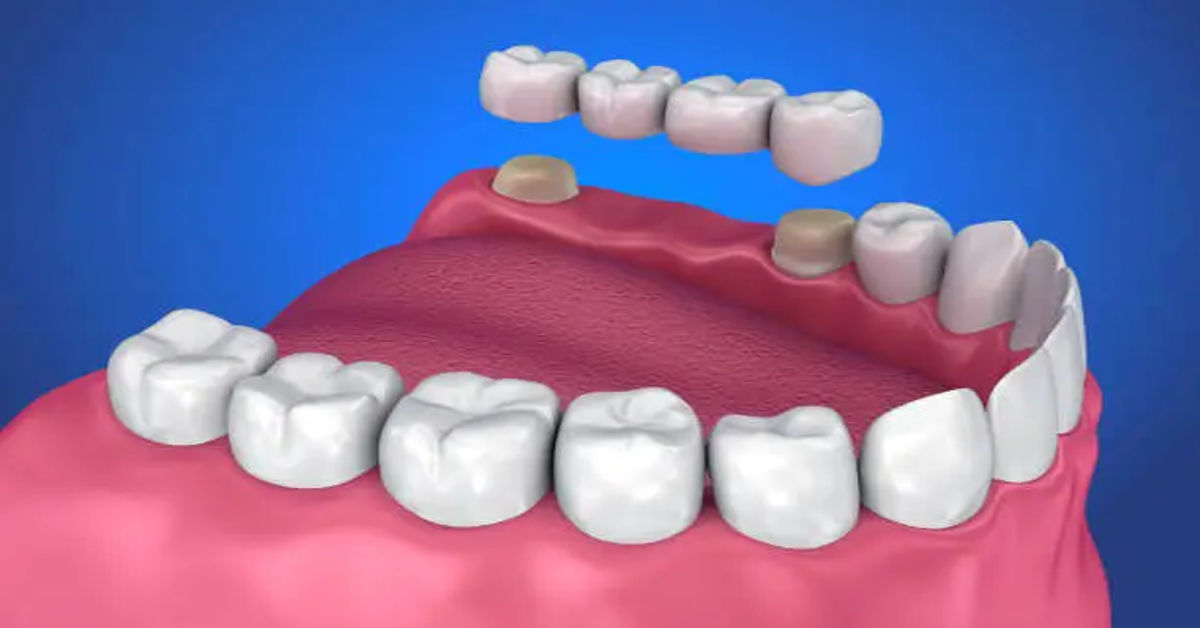
Tooth loss is a common dental concern that can affect people of all ages due to decay, trauma, gum disease, or congenital reasons. Beyond aesthetics, missing teeth can interfere with chewing, speech, and the overall balance of the mouth. Dentistry offers several restorative options to replace missing teeth, one of which is the cantilever bridge dental restoration. This type of bridge has been used for decades and continues to play an important role in specific clinical situations. Understanding what a cantilever bridge is, how it works, when it is recommended, and its advantages and limitations can help patients make informed decisions about their oral health.
A cantilever bridge dental restoration is a fixed prosthetic device designed to replace one or more missing teeth by anchoring the artificial tooth to adjacent natural teeth on only one side. Unlike traditional bridges that rely on support from teeth on both sides of the gap, a cantilever bridge uses support from a single abutment tooth. This unique design makes it suitable for certain cases where adjacent teeth are limited but still strong enough to support the restoration.
Understanding the Concept of a Cantilever Dental Bridge
A cantilever bridge consists of three main components: the abutment tooth, the pontic, and the connector. The abutment tooth is the natural tooth that provides support. The pontic is the artificial tooth that fills the space of the missing tooth. The connector joins the pontic to the abutment. In a cantilever design, the pontic extends outward from the abutment, much like a balcony extending from a building, which is where the term “cantilever” originates.
This design allows dentists to replace a missing tooth without involving multiple surrounding teeth. Because only one supporting tooth is required, less tooth structure may need to be altered compared to a traditional fixed bridge. However, the single-sided support also means that careful planning is essential to avoid excessive stress on the abutment tooth.
How a Cantilever Bridge Differs from Other Dental Bridges
Dental bridges come in several forms, and each serves a specific purpose depending on the patient’s oral condition. Understanding how a cantilever bridge compares to other types helps clarify why it is chosen in certain situations.
| Type of Dental Bridge | Support Teeth | Typical Use Case | Main Limitation |
|---|---|---|---|
| Traditional Bridge | Teeth on both sides | Replacing teeth with strong adjacent support | Requires reshaping multiple teeth |
| Cantilever Bridge | One side only | Missing tooth with support on one side | Increased stress on abutment |
| Maryland Bridge | Minimal support using wings | Front teeth replacement | Less durable under heavy bite |
| Implant-Supported Bridge | Dental implants | Multiple missing teeth | Higher cost and surgical procedure |
The cantilever bridge stands out because it requires only one natural tooth for support, making it a conservative yet technique-sensitive option.
When a Cantilever Bridge Dental Restoration Is Recommended
Dentists recommend cantilever bridges in carefully selected cases. The most common scenario is when a missing tooth is located at the end of a dental arch, such as the last molar or premolar, where there is no natural tooth behind it to serve as a second abutment. It may also be used in the front of the mouth where biting forces are generally lower.
Cantilever bridges are often chosen when dental implants are not feasible due to medical conditions, insufficient bone, financial constraints, or patient preference. They can also be a suitable temporary solution while a patient waits for implant placement or healing.
However, dentists avoid using cantilever bridges in areas of the mouth that experience heavy chewing forces, especially the back molars, unless the abutment tooth is exceptionally strong and healthy.
Detailed Procedure for Cantilever Bridge Placement
The process of placing a cantilever bridge typically involves multiple steps spread across several dental visits. Each step is crucial to ensure proper fit, function, and longevity.
The first step is a comprehensive dental examination, including clinical evaluation and imaging such as X-rays. This allows the dentist to assess the health of the supporting tooth, surrounding gums, and jawbone. The dentist determines whether the abutment tooth can withstand the forces exerted by the cantilever design.
During the preparation phase, the abutment tooth is reshaped to accommodate a dental crown. This involves removing a portion of enamel to create space for the bridge. Precise impressions of the teeth are then taken and sent to a dental laboratory where the bridge is custom fabricated.
While the permanent bridge is being made, a temporary bridge may be placed to protect the prepared tooth and maintain appearance. Once the permanent cantilever bridge is ready, the dentist checks its fit, bite alignment, and aesthetics. Adjustments are made as necessary before permanently cementing the bridge in place.
Materials Used in Cantilever Bridge Dental Restorations
The choice of material plays a significant role in the durability, appearance, and cost of a cantilever bridge. Dentists select materials based on the location of the bridge, bite forces, and patient preferences.
| Material | Appearance | Strength | Typical Use |
|---|---|---|---|
| Porcelain-Fused-to-Metal | Natural look with metal core | High | Front and back teeth |
| All-Ceramic | Excellent aesthetics | Moderate | Front teeth |
| Zirconia | Strong and aesthetic | Very high | High-stress areas |
| Metal Alloys | Less aesthetic | Very high | Rarely used today |
Porcelain and ceramic materials are commonly preferred for their natural tooth-like appearance, especially in visible areas of the mouth.
Advantages of Cantilever Bridge Dental Treatment
One of the most notable advantages of a cantilever bridge is that it requires preparation of only one adjacent tooth. This conservative approach preserves more natural tooth structure compared to traditional bridges. It also reduces treatment time and complexity, as fewer teeth are involved.
Cantilever bridges offer a fixed solution, meaning they are permanently attached and do not require removal for cleaning. This provides greater comfort and convenience compared to removable dentures. Additionally, they restore chewing efficiency and speech clarity while maintaining facial aesthetics.
From a financial perspective, cantilever bridges are often more affordable than implant-based solutions because they do not involve surgical procedures or implant components.
Limitations and Potential Risks of Cantilever Bridges
Despite their benefits, cantilever bridges are not suitable for every patient. The primary concern is the increased load placed on the single abutment tooth. Over time, this can lead to tooth mobility, fracture, or damage to the supporting tooth and surrounding bone.
Another limitation is the risk of loosening or debonding, especially if the bridge is exposed to excessive biting forces. Patients who grind their teeth or have a strong bite may not be ideal candidates.
Careful case selection, precise design, and proper bite adjustment are essential to minimize these risks. Dentists often recommend cantilever bridges only in low-stress areas of the mouth.
Longevity and Success Rate of Cantilever Dental Bridges
The lifespan of a cantilever bridge depends on several factors, including oral hygiene practices, material quality, bite forces, and regular dental care. On average, a well-maintained cantilever bridge can last between five to ten years, and in some cases even longer.
Success rates are higher when the bridge is placed in the front of the mouth and supported by a healthy, strong abutment tooth. Regular dental check-ups allow early detection of any issues such as loosening, decay, or gum problems around the bridge.
Oral Hygiene and Maintenance for Cantilever Bridges
Maintaining excellent oral hygiene is essential for the long-term success of a cantilever bridge. Although the bridge itself cannot decay, the supporting tooth and surrounding gums are vulnerable to plaque buildup and infection.
Daily brushing with a soft-bristled toothbrush and fluoride toothpaste helps keep the area clean. Flossing around the bridge is particularly important and may require special floss threaders or interdental brushes to reach underneath the pontic.
Routine professional cleanings and examinations allow the dentist to monitor the health of the abutment tooth and ensure the bridge remains stable and functional.
Cost Considerations and Influencing Factors
The cost of a cantilever bridge dental restoration varies depending on multiple factors such as material choice, complexity of the case, geographic location, and the dentist’s expertise. Generally, cantilever bridges are less expensive than implant-supported restorations but may be comparable in cost to traditional bridges.
Dental insurance plans may partially cover the cost of a cantilever bridge, especially if it is deemed medically necessary. Patients should consult with their dental provider to understand coverage options and out-of-pocket expenses.
Comparison Between Cantilever Bridges and Dental Implants
Patients often compare cantilever bridges with dental implants when considering tooth replacement options. Each has its own set of advantages and limitations.
| Feature | Cantilever Bridge | Dental Implant |
|---|---|---|
| Surgical Procedure | Not required | Required |
| Treatment Time | Shorter | Longer |
| Cost | Moderate | Higher |
| Bone Preservation | Limited | Excellent |
| Longevity | Moderate | Long-term |
The choice depends on individual oral conditions, preferences, and long-term goals.
Who Is an Ideal Candidate for a Cantilever Bridge?
Ideal candidates for a cantilever bridge have good oral hygiene, healthy gums, and a strong adjacent tooth capable of supporting the restoration. They typically have missing teeth in low-bite-pressure areas and do not exhibit habits such as teeth grinding.
Patients who prefer a fixed, non-surgical solution and seek a quicker treatment option may find cantilever bridges particularly appealing.
Frequently Asked Questions
Is a cantilever bridge safe for long-term use?
When properly planned and maintained, a cantilever bridge can be a safe and effective long-term solution, especially in low-stress areas of the mouth.
Does placing a cantilever bridge hurt?
The procedure is generally painless as it is performed under local anesthesia. Mild discomfort may occur afterward but is usually temporary.
Can a cantilever bridge replace more than one tooth?
In most cases, cantilever bridges are used to replace a single missing tooth due to support limitations.
How do I clean under a cantilever bridge?
Special floss threaders, interdental brushes, and water flossers are effective tools for cleaning under the pontic.
What happens if the supporting tooth fails?
If the abutment tooth becomes damaged or lost, the entire bridge may need to be replaced with another restorative option.