
i remember the first time a small porcelain dish of cornichons arrived at the table. They sat beside pâté and warm bread, unassuming and almost decorative. One bite made their purpose clear. Sharp acidity, herbal brightness, and an assertive crunch cut straight through the richness on the plate. In French cooking, cornichons are not decoration. They are balance.
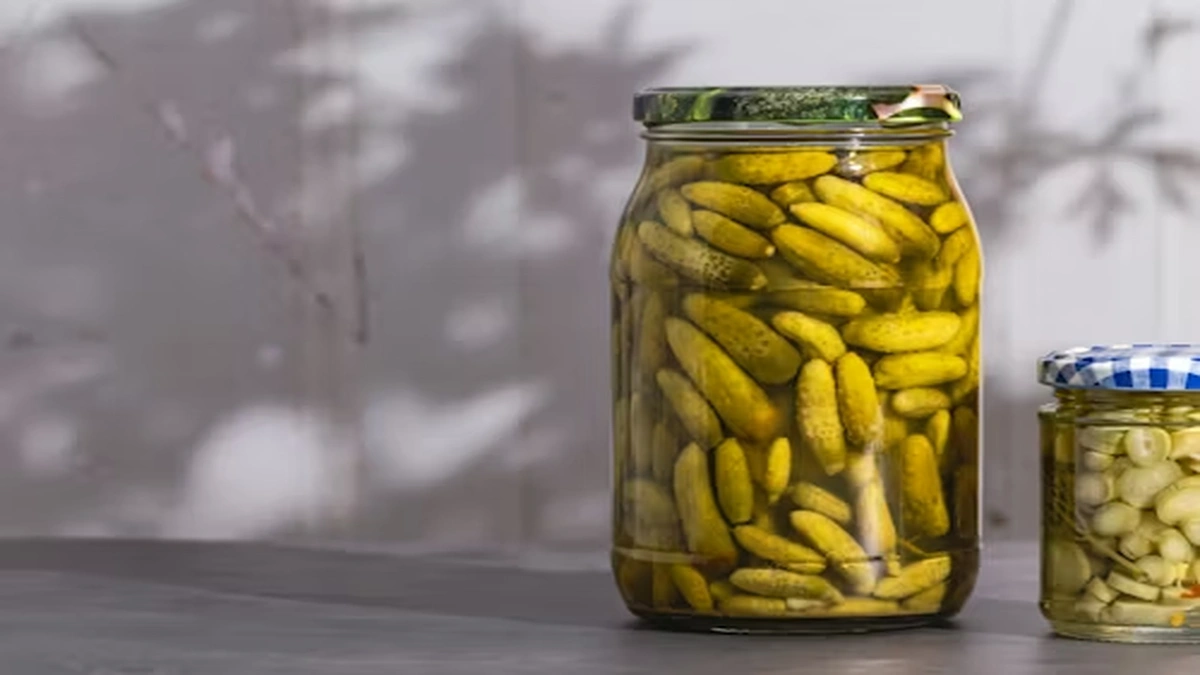
Cornichons are tiny pickled cucumbers harvested young and preserved in vinegar seasoned with herbs and spices. Their size, usually no longer than a finger, and their firm texture separate them from the larger pickles common in American sandwiches. What looks like a minor garnish carries centuries of agricultural choice and culinary logic. In the first moments of tasting, cornichons answer a basic question many diners ask. Why are they always there? Because richness needs contrast, and tradition values restraint.
Beyond the plate, cornichons sit at the intersection of preservation science, global trade, and French food identity. Cucumbers traveled from South Asia into Europe long before refrigeration made freshness routine. Pickling turned perishability into longevity. Over time, French kitchens refined the process, favoring vinegar over fermentation and herbs over sweetness. The result was a pickle that sharpened flavors rather than softened them.
This article follows cornichons from field to jar to table. It looks at how they are grown, why they taste the way they do, how they are used in classic dishes, and what they represent culturally. Small as they are, corni-chons tell a larger story about how food traditions endure by understanding contrast, proportion, and purpose.
Defining the Cornichon
Cornichons are made from immature cucumbers picked before seeds fully develop. Harvest timing matters. Younger cucumbers have denser cell walls, which helps them stay crisp when submerged in acidic brine. This single agricultural decision defines the cornichon experience more than any spice.
The word itself comes from French, meaning little horn, a nod to shape rather than flavor. In English, cornichons are sometimes confused with gherkins. While the cucumbers may be similar, the preparation and use differ. Corni-chons are not sweet. They are intentionally tart, herbal, and assertive. Their role is to cut through fat, not complement sugar.
Traditional cornichon brine relies on vinegar, salt, and aromatics such as tarragon, mustard seeds, bay leaf, and peppercorns. Unlike fermented pickles that develop lactic acidity over time, cornichons rely on acetic acid from vinegar. This creates a brighter, more immediate sharpness and a longer shelf life.
In French kitchens, cornichons are treated as ingredients rather than snacks. They are chopped into sauces, paired with charcuterie, or served whole as palate cleansers. Their identity is defined as much by restraint as by intensity.
From Garden Crop to Culinary Staple
Cucumbers originated in South Asia thousands of years ago and spread through trade routes into the Mediterranean and Europe. As they traveled, they adapted to local climates and tastes. In France, smaller, bumpy varieties proved ideal for pickling.
By the eighteenth century, French households were preserving cucumbers in vinegar as a way to extend harvest seasons. Over time, corni-chons became standardized in size and flavor. They were no longer simply preserved vegetables. They were intentional accompaniments.
Modern cornichon production reflects global economics. While France remains culturally tied to cornichons, much of today’s supply is grown in India and Eastern Europe, where climate and labor conditions support hand harvesting. Each cucumber must be picked at the right moment, often daily, making mechanization difficult.
This tension between tradition and efficiency has sparked renewed interest in local French cornichon farming. Small producers emphasize terroir, heritage seeds, and artisanal brining. The goal is not volume, but fidelity to texture and taste.
Why Cornichons Taste the Way They Do
Flavor begins with harvest timing but is defined by chemistry. Vinegar lowers pH quickly, halting enzymatic processes that soften vegetables. Salt draws out moisture, tightening cell structure. Together, they preserve crunch while intensifying flavor.
Herbs and spices do more than season the brine. Tarragon adds subtle sweetness and anise notes. Mustard seeds contribute warmth. Peppercorns provide bite. These aromatics infuse slowly, creating complexity without overpowering acidity.
Unlike sweet pickles, cornichons avoid sugar. This absence is deliberate. Sugar would blunt their primary role as a counterpoint to richness. Corni-chons succeed because they stay sharp from first bite to finish.
Texture matters as much as taste. A soft cornichon fails its purpose. That is why quality producers reject overgrown cucumbers and control brining carefully. Crunch is not incidental. It is the point.
Cornichons at the French Table
In classic French service, cornichons appear alongside pâtés, terrines, rillettes, and cured meats. These foods are rich in fat and umami. Corni-chons provide acid and crunch, resetting the palate between bites.
They also appear in traditional sauces. Sauce charcutière, developed in the nineteenth century, relies on chopped cornichons stirred into a mustard and cream base. The pickles lift the sauce, keeping it from becoming heavy.
In steak tartare, finely diced cornichons add brightness and texture to raw beef. In potato salads and cold composed dishes, they bring clarity. Even in sandwiches, their role is measured. A few slices are enough.
French cooks rarely overuse corn-ichons. Their strength demands moderation. Used correctly, they disappear into balance. Used excessively, they dominate. Mastery lies in knowing when one small pickle is sufficient.
Nutrition and Moderation
Cornichons are low in calories and high in water content. They contribute minimal fat and carbohydrates, making them light additions to meals. Vinegar may aid digestion by stimulating gastric activity, though evidence remains mixed.
The primary nutritional concern is sodium. Pickling requires salt, and cornichons are no exception. Regular consumption in large quantities can contribute to elevated sodium intake. For most people, this is manageable when cornichons are eaten as accents rather than snacks.
Cornichons also contain small amounts of antioxidants from herbs and spices. While not a primary health food, they offer sensory satisfaction without excess calories. Their greatest nutritional value may be behavioral. They encourage slower eating, sharper contrasts, and mindful portions.
Cultural Meaning Beyond the Jar
Cornichons occupy an unusual place in French language and culture. The word is sometimes used humorously to describe a foolish person, a reflection of how familiar the object is in daily life.
Internationally, the French name remains intact. English menus do not translate cornichons into pickles. The word signals a specific style and expectation. Ordering cornichons means expecting restraint, acidity, and tradition.
Their persistence speaks to a broader truth about food culture. Not everything needs reinvention. Some elements survive because they solve a problem well. Cornichons solve richness. They solve monotony. They solve excess.
Key Insights at a Glance
- Cornichons are harvested young to preserve crunch and structure
- Vinegar pickling creates sharp acidity rather than fermented softness
- Their role is contrast, not sweetness or bulk
- French cuisine uses cornichons sparingly and purposefully
- Global production supports local tradition and modern demand
- Texture is as important as flavor in defining quality
Conclusion
Cornichons endure because they understand their role. They do not seek attention, yet their absence is noticeable. On a crowded plate of rich flavors, they offer clarity. In a culinary tradition built on balance, they act as punctuation.
Their story stretches from ancient trade routes to modern charcuterie boards, from preservation necessity to cultural habit. What remains unchanged is their logic. Rich food needs acid. Fat needs interruption. Meals need rhythm.
Cornichons remind us that small foods can carry large meaning. They show how tradition persists not through nostalgia, but through usefulness. In a time when food trends change quickly, the cornichon remains. Sharp, crisp, and quietly essential.
Frequently Asked Questions
What makes cornichons different from regular pickles?
Cornichons are harvested younger, pickled in vinegar with herbs, and designed to be tart rather than sweet or mild.
Are cornichons fermented?
No. Traditional cornichons are vinegar pickled, not fermented, which gives them sharper acidity.
How are cornichons typically served?
They are paired with pâté, charcuterie, cheeses, sauces, and classic French dishes.
Can cornichons be made at home?
Yes. Small cucumbers, vinegar, salt, and herbs are sufficient when timing and proportions are controlled.
Are cornichons healthy?
They are low in calories but high in sodium, best enjoyed in moderation.