

I approach this topic from years of observing how raw information quietly transformed into one of the most valuable digital resources. Dados as, commonly understood as Data as a Service, reflects a structural shift in how organizations collect, manage, and monetize data. Instead of data remaining locked inside internal systems, it now flows as an on demand service that fuels analytics, automation, artificial intelligence, and real time decision making across industries.

What Dados as Means in Practical Terms
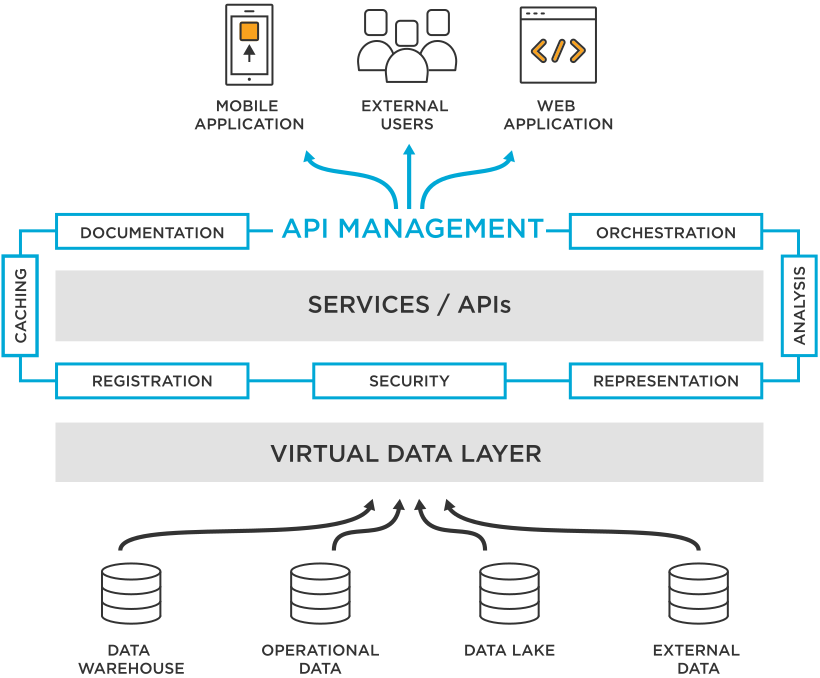
Dados as refers to a service based model where data is provided to users through cloud platforms, APIs, or secure feeds rather than traditional file transfers or local databases. In this model, the focus shifts from owning datasets to accessing reliable, continuously updated data streams. I see this as similar to how electricity moved from private generators to centralized grids, allowing users to focus on outcomes rather than infrastructure.
How Dados as Evolved from Traditional Data Models
In earlier computing eras, data lived inside monolithic systems. Companies stored information in on premises databases, exported spreadsheets, and manually shared reports. I remember how this created duplication, delays, and constant version conflicts. As cloud computing matured, data warehouses moved online, but access was still limited to internal teams.
The rise of APIs and distributed systems changed expectations. Businesses wanted real time insights without building massive ingestion pipelines. Dados as emerged to meet this need by separating data ownership from data usage. Providers specialize in sourcing, maintaining, and validating datasets, while consumers integrate data directly into applications, dashboards, or machine learning models.
Core Components of a Dados as Architecture
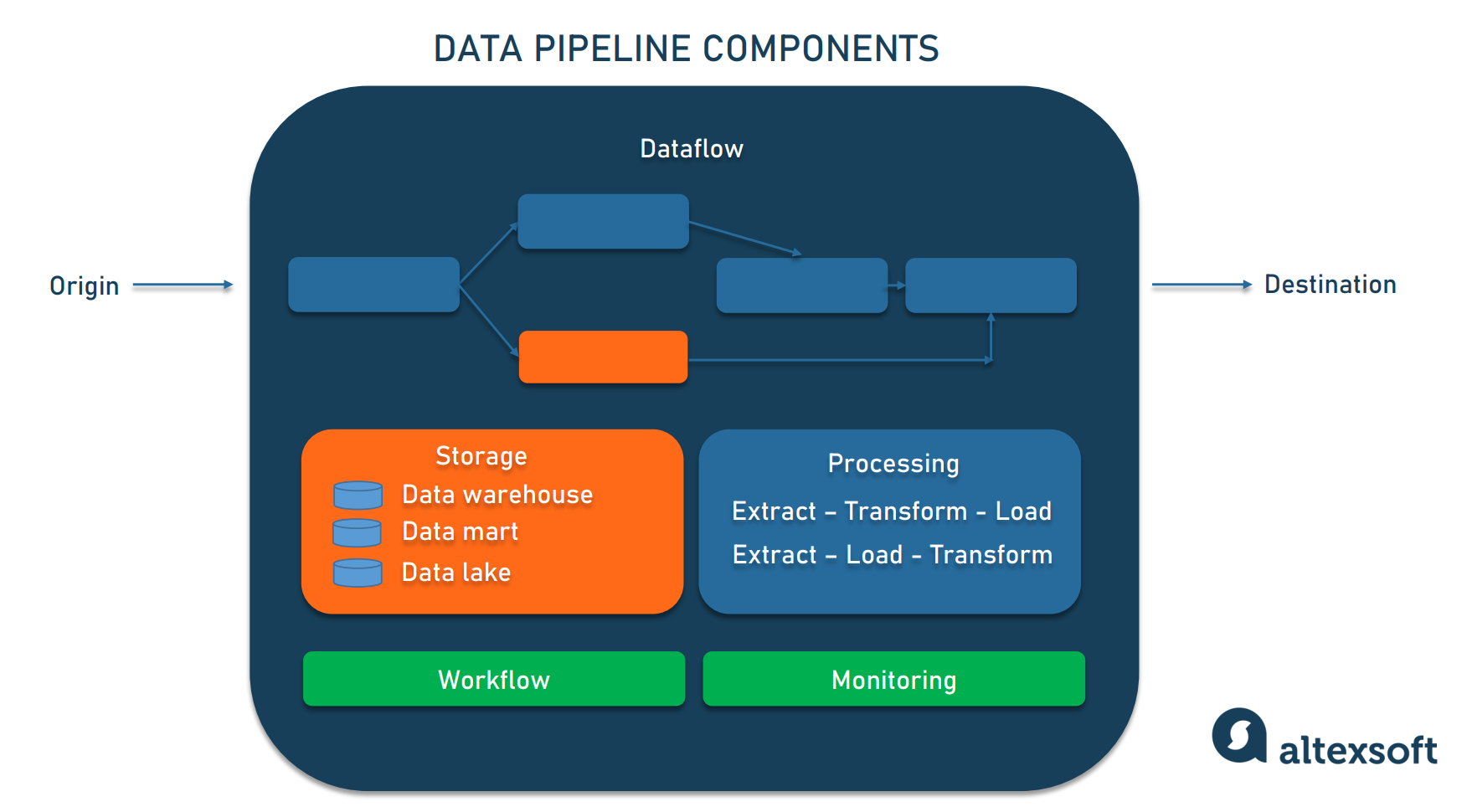
A functional Dados as platform relies on several tightly integrated components working together to ensure reliability and trust.
Data Sources and Ingestion
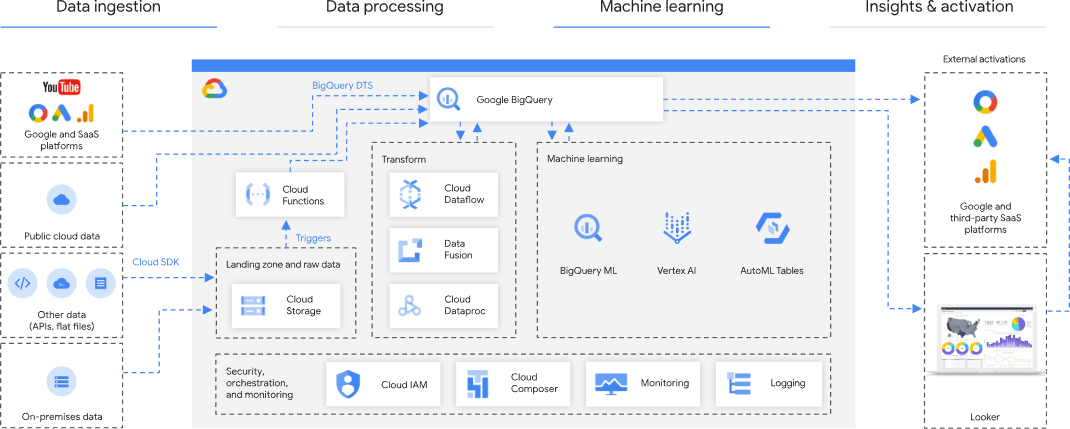
Data originates from diverse sources such as sensors, transactional systems, public records, user interactions, and third party feeds. Ingestion pipelines continuously collect this data, often in real time, and route it into centralized processing layers. I consider ingestion quality one of the most critical success factors, since poor inputs undermine every downstream use.
Processing and Standardization Layers
Raw data rarely arrives in a usable state. Dados as platforms apply transformations including normalization, deduplication, enrichment, and validation. These steps ensure that consumers receive structured, interoperable datasets regardless of source complexity. This processing layer often includes automated quality checks and anomaly detection.
Access and Delivery Interfaces
Most users interact with Dados as through APIs, dashboards, or secure data streams. APIs allow applications to query data dynamically, while dashboards serve business users who prefer visual exploration. Access controls, authentication, and rate limiting protect both provider infrastructure and customer usage boundaries.
Key Business Benefits of Dados as


From my perspective, the real power of Dados as lies in how it reshapes organizational priorities.
Reduced Infrastructure Complexity
Companies no longer need to invest heavily in storage, pipelines, and maintenance for every dataset they use. By outsourcing these responsibilities, teams focus on analysis, product development, and strategy instead of plumbing.
Faster Time to Insight
Because data arrives ready for use, analysts and developers can move from question to answer much faster. This speed advantage often translates directly into competitive differentiation, especially in markets where timing matters.
Scalability and Flexibility
Dados as platforms scale elastically with demand. Whether a startup needs a few thousand records or an enterprise processes billions of events daily, the service model adapts without major architectural redesigns.
Common Use Cases Across Industries


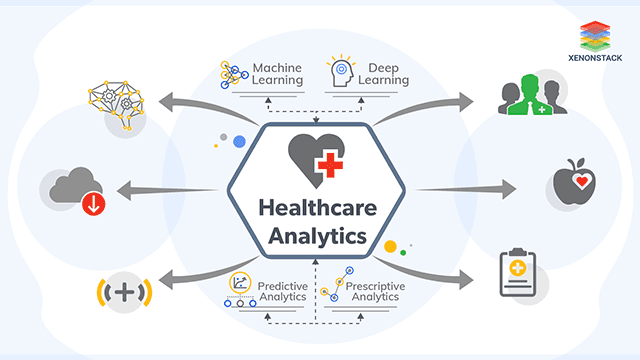
Dados as has quietly embedded itself into many sectors, even when users do not explicitly label it as such.
Finance and Risk Management
Financial institutions consume market data, fraud indicators, and credit signals through Dados as services. These feeds support trading algorithms, compliance monitoring, and real time risk assessment.
Healthcare and Life Sciences
Healthcare organizations rely on aggregated clinical data, population health metrics, and research datasets delivered as services. This approach accelerates research while maintaining strict access controls.
Retail and Marketing
Retailers integrate consumer behavior data, pricing intelligence, and demand forecasts directly into recommendation engines and inventory systems. I often note how these insights drive personalization at scale.
Dados as Versus Traditional Data Ownership
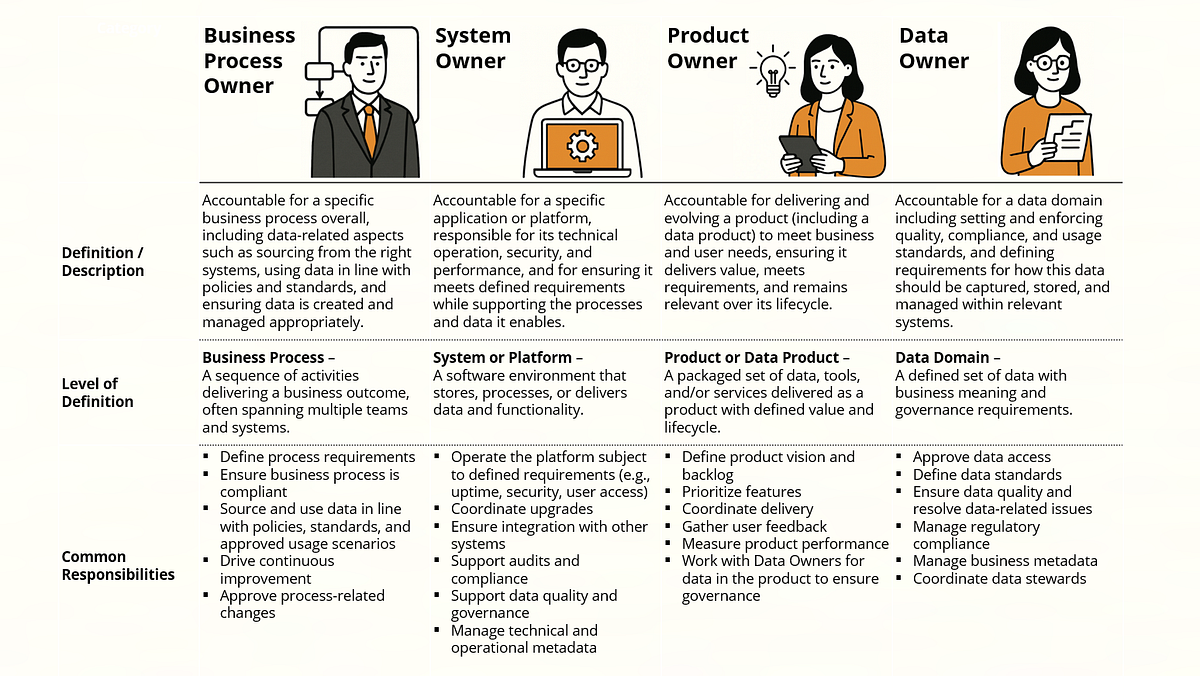
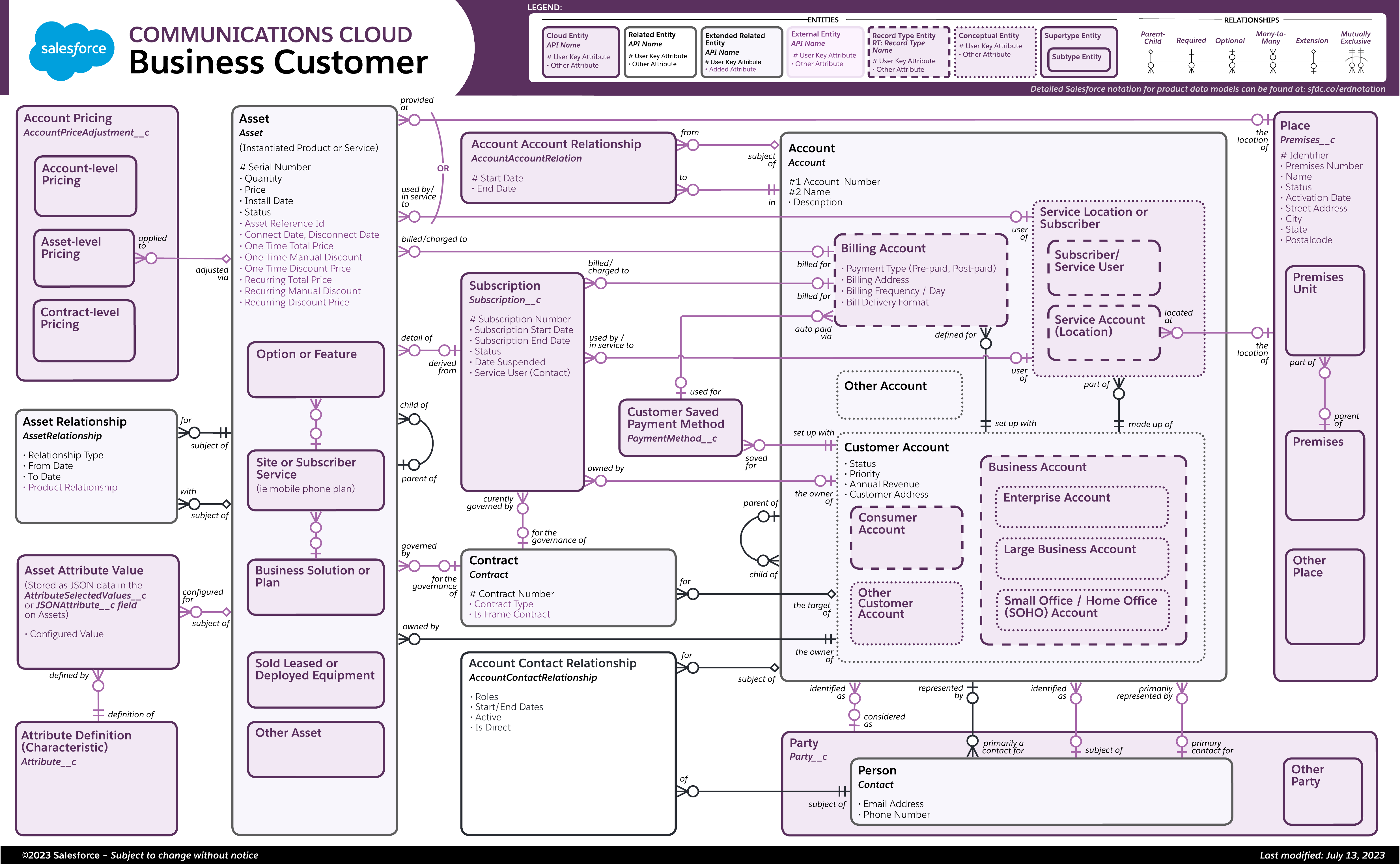

The philosophical shift from ownership to access deserves careful attention. Traditional models emphasized control, but they also created silos and inefficiencies. Dados as promotes collaboration and reuse, yet it introduces dependencies on external providers.
The table below highlights key differences:
| Aspect | Traditional Data Model | Dados as Model |
|---|---|---|
| Storage | On premises or isolated clouds | Centralized cloud platforms |
| Updates | Periodic manual refreshes | Continuous or real time |
| Cost Structure | Capital intensive | Subscription based |
| Accessibility | Limited internal access | Controlled external access |
| Scalability | Hardware constrained | Elastic and on demand |
Security, Privacy, and Compliance Considerations
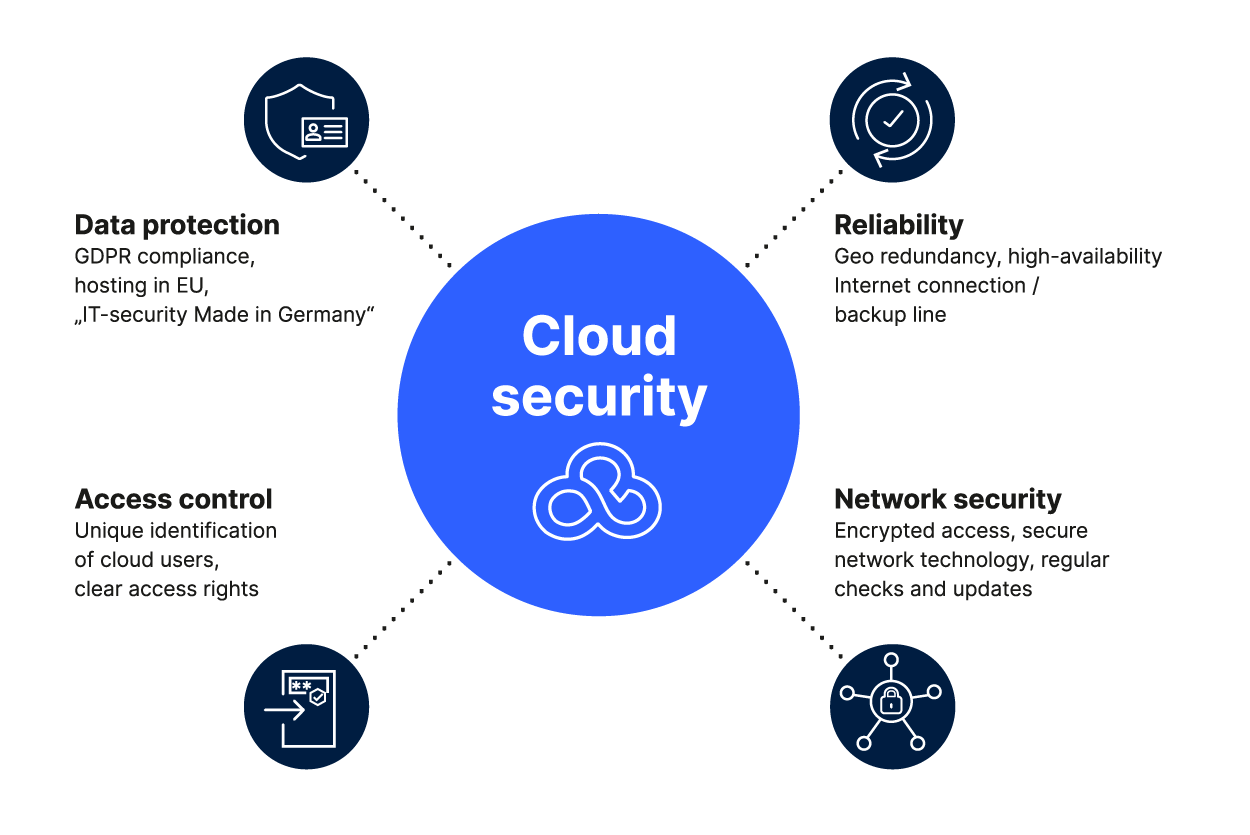
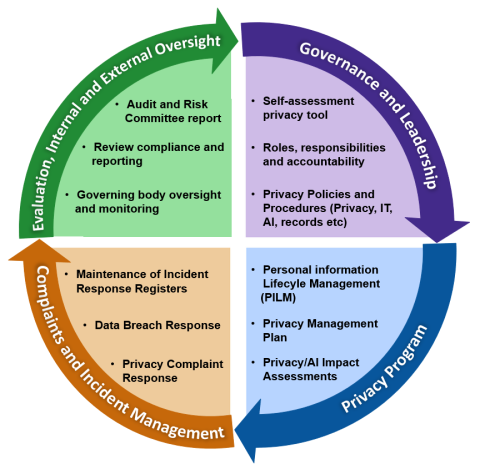

Any discussion of Dados as must address trust. Data often contains sensitive or regulated information, making governance essential. Providers implement encryption at rest and in transit, role based access controls, and audit logging. From my experience, the strongest platforms treat compliance as a design principle rather than an afterthought.
Privacy regulations require careful handling of personal data. Anonymization, aggregation, and consent management are standard techniques. Consumers must also understand their responsibilities, since using external data does not eliminate accountability.
Economic Impact of Dados as
The rise of Dados as contributes to a broader data economy where information becomes a tradable asset. Data producers monetize expertise, while consumers gain insights without duplicating effort. This specialization increases overall efficiency and encourages innovation.
I find it interesting how this model lowers barriers for smaller organizations. Startups gain access to high quality data that once required massive resources, leveling competitive landscapes in many sectors.
Challenges and Limitations to Consider
Despite its advantages, Dados as is not without challenges. Dependency on providers introduces risks related to availability, pricing changes, or service discontinuation. Data quality varies widely, and not all providers maintain rigorous standards.
Integration complexity can also arise when multiple data services use different schemas or conventions. Effective governance and vendor evaluation are therefore critical parts of any Dados as strategy.
Future Trends Shaping Dados as


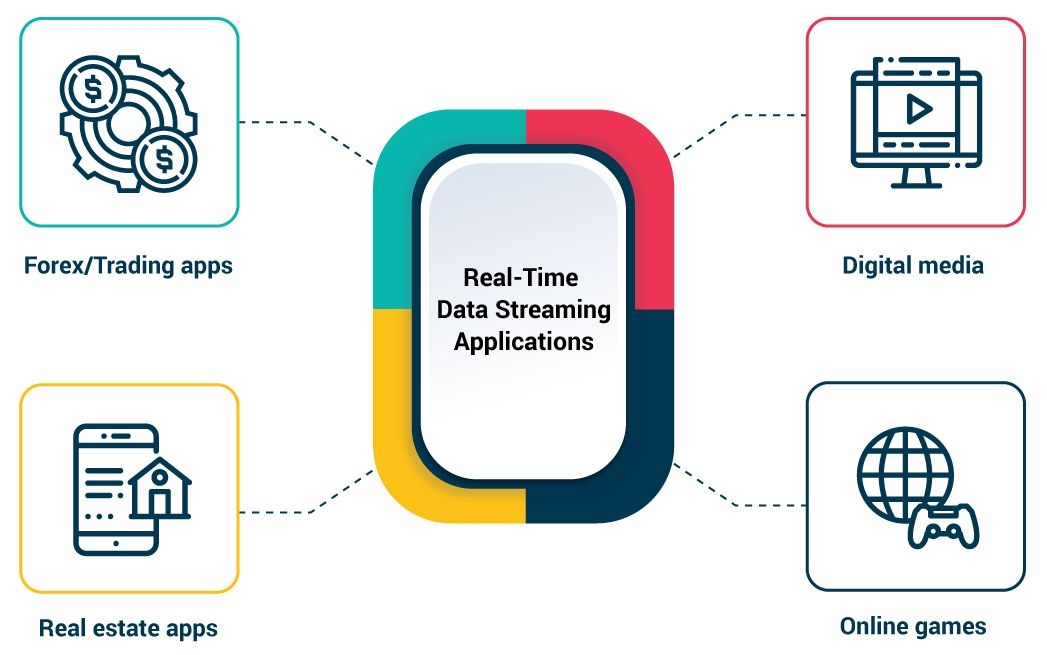
Looking ahead, I expect Dados as to become more intelligent and autonomous. Machine learning will increasingly curate, label, and predict data relevance. Real time streaming will replace batch delivery in many contexts, enabling instant responses to changing conditions.
Interoperability standards are also likely to improve, making it easier to combine datasets from different providers. As these trends converge, Dados as will feel less like a product and more like an invisible utility powering digital systems.
Strategic Guidance for Adopting Dados as
Organizations considering Dados as should begin with clear use cases and success metrics. Understanding what decisions the data will inform helps evaluate provider offerings. Pilot projects allow teams to assess quality, latency, and integration effort before committing fully.
Vendor transparency, documentation, and support matter as much as raw data coverage. I often advise treating data providers as long term partners rather than interchangeable commodities.
Conclusion
Dados as represents a fundamental rethinking of how data is valued and delivered. By shifting focus from ownership to access, it enables faster innovation, broader collaboration, and more efficient use of resources. While challenges remain around governance and dependency, the overall trajectory points toward deeper integration of data services into everyday digital operations. For organizations willing to adapt, Dados as offers not just convenience but strategic advantage.
Read: Surga19 – Link: Meaning, Uses, Safety, and Digital Context
FAQs
What is the main purpose of Dados as?
The primary purpose is to provide reliable, up to date data on demand without requiring users to manage complex infrastructure or pipelines.
Is Dados as suitable for small businesses?
Yes, small businesses benefit significantly because they gain access to high quality data without large upfront investments.
How does Dados as differ from cloud storage?
Cloud storage focuses on storing files, while Dados as delivers curated, usable data through APIs and services.
What types of data are commonly offered?
Common offerings include financial data, consumer behavior insights, geospatial information, and machine generated telemetry.
Can Dados as support artificial intelligence projects?
Absolutely. Many AI systems rely on Dados as for training data, real time features, and continuous model updates.