
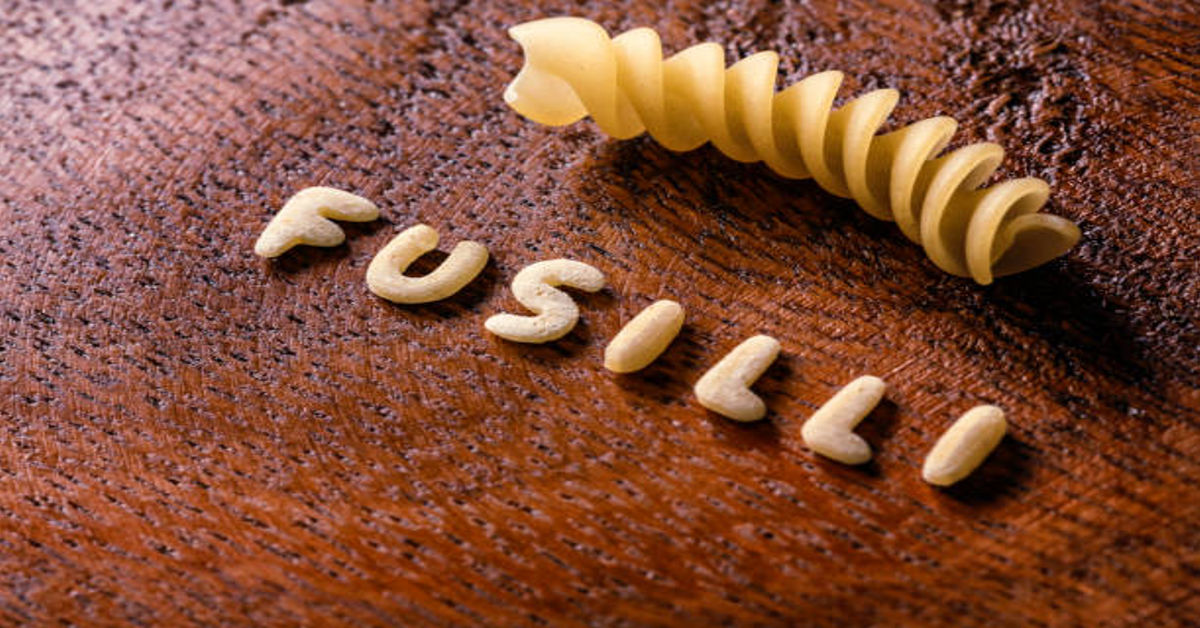
Fusilli is one of the most recognizable and versatile pasta shapes in the world, appreciated for its spiral form, pleasing texture, and ability to hold sauces exceptionally well. Although it may appear simple at first glance, fusilli represents centuries of culinary evolution, regional traditions, and practical food design. Its twisted structure is not merely decorative but functional, influencing how it cooks, how it tastes, and how it interacts with ingredients. This article provides an in-depth, original, and comprehensive examination of fusilli, covering its origins, manufacturing, varieties, nutritional value, cooking behavior, cultural importance, and role in modern diets.
Understanding What Fusilli Is
Fusilli is a type of pasta characterized by its corkscrew or spiral shape. The name itself is derived from an old Italian term related to spinning or twisting, reflecting the traditional method of forming the pasta by wrapping dough around a rod and twisting it. This distinctive shape creates grooves and curves along the surface, which play a crucial role in how fusilli absorbs and holds sauces.
Unlike flat or hollow pasta shapes, fusilli offers a balance between structure and flexibility. It is compact enough to remain firm during cooking while providing enough surface area to capture flavors. This makes it suitable for a wide range of dishes, from light vegetable-based meals to rich, hearty sauces.
Historical Origins and Evolution of Fusilli
The history of fusilli is closely tied to the broader development of pasta in Italy. Before industrial production, pasta was handmade, and shapes were often influenced by local tools, customs, and available ingredients. Fusilli is believed to have originated as a hand-rolled pasta, created by twisting strips of dough around knitting needles or thin rods.
In rural households, fusilli was often made during communal cooking sessions, where families prepared large batches of pasta to last for weeks. The spiral shape was valued not only for its appearance but also for its ability to dry evenly, making it suitable for storage. Over time, as pasta-making techniques advanced and mechanical extrusion became common, fusilli evolved into the standardized shape widely available today.
Despite modernization, fusilli has retained its traditional essence. Its form continues to reflect a blend of craftsmanship and practicality, making it a timeless component of Italian cuisine and global food culture.
The Design and Function of the Spiral Shape
The spiral shape of fusilli is central to its culinary appeal. Each twist creates ridges that increase surface area, allowing sauces, oils, and seasonings to cling effectively. This design ensures that every bite delivers a balanced combination of pasta and flavor.
From a cooking perspective, the shape also affects texture. Fusilli cooks evenly because water circulates around its curves, reducing the risk of undercooked centers. When prepared correctly, it offers a firm yet tender bite that enhances the overall eating experience.
The spiral structure also provides visual appeal. Fusilli adds movement and dimension to dishes, making meals more attractive without requiring elaborate presentation techniques.
Types and Variations of Fusilli
Fusilli is not limited to a single form or ingredient base. Over time, numerous variations have emerged, reflecting regional preferences, dietary needs, and culinary innovation.
| Type of Fusilli | Primary Ingredient | Visual Appearance | Common Uses |
|---|---|---|---|
| Traditional fusilli | Durum wheat semolina | Golden yellow | Classic pasta dishes |
| Whole wheat fusilli | Whole wheat flour | Brownish tone | High-fiber meals |
| Gluten-free fusilli | Rice, corn, or legumes | Varies by base | Gluten-free diets |
| Vegetable-infused fusilli | Wheat with spinach or tomato | Green or red hues | Colorful presentations |
| Legume-based fusilli | Lentils or chickpeas | Earthy colors | Protein-rich diets |
Each variation offers unique nutritional and culinary characteristics, expanding the versatility of fusilli across different eating styles.
Nutritional Profile of Fusilli
Fusilli, like most pasta, serves as a primary source of carbohydrates, which provide energy for the body. Traditional fusilli made from durum wheat semolina offers a balanced nutritional profile when consumed as part of a varied diet.
It contains moderate amounts of protein, small quantities of fat, and essential micronutrients such as iron and B vitamins. Whole wheat and legume-based versions of fusilli increase fiber and protein content, making them suitable for individuals seeking enhanced nutritional benefits.
The nutritional impact of fusilli also depends heavily on preparation and accompaniments. Pairing it with vegetables, lean proteins, and healthy fats can transform fusilli into a well-rounded, nourishing meal.
Fusilli in a Balanced Diet
Incorporating fusilli into a balanced diet involves mindful portion sizes and thoughtful ingredient choices. As a carbohydrate-rich food, fusilli provides sustained energy, making it particularly suitable for active individuals.
Whole grain and legume-based fusilli options contribute additional fiber, which supports digestion and promotes satiety. When combined with nutrient-dense ingredients, fusilli can support both physical health and culinary satisfaction.
Rather than viewing fusilli as a standalone item, it is best understood as a foundation upon which balanced meals are built.
Cooking Fusilli Correctly
Cooking fusilli properly is essential to achieving its ideal texture and flavor. The goal is to reach a state often described as firm yet tender, where the pasta retains structure without being hard.
Adequate water volume allows fusilli to move freely during cooking, preventing sticking and ensuring even heat distribution. Stirring occasionally helps maintain separation between spirals. Timing is crucial, as overcooking can cause fusilli to lose its shape and become overly soft.
Once cooked, fusilli should be drained promptly and combined with sauce while still warm. This allows the pasta to absorb flavors and maintain moisture without becoming waterlogged.
Sauce Pairings and Flavor Compatibility
One of fusilli’s greatest strengths is its compatibility with a wide range of sauces. The spiral shape captures thick sauces particularly well, but it is equally effective with lighter preparations.
Cream-based sauces cling to the ridges, creating rich and satisfying bites. Tomato-based sauces settle into the grooves, ensuring even distribution of flavor. Oil-based sauces, enhanced with herbs and vegetables, coat the spirals smoothly without pooling at the bottom of the dish.
Fusilli also performs exceptionally well in cold pasta salads, where its shape holds dressings and small ingredients evenly throughout the dish.
Fusilli in Traditional and Modern Cuisine
Traditionally, fusilli has been featured in home-style dishes emphasizing simplicity and balance. These meals often highlight seasonal vegetables, modest amounts of protein, and straightforward seasoning.
In modern cuisine, fusilli has taken on a more experimental role. Chefs and home cooks alike use it as a base for creative combinations, incorporating global flavors, plant-based proteins, and innovative sauces. Its adaptability allows it to bridge traditional Italian roots with contemporary culinary trends.
This versatility has contributed to fusilli’s enduring popularity across cultures and generations.
Fusilli for Special Diets and Lifestyles
As dietary preferences diversify, fusilli has adapted to meet new needs. Gluten-free fusilli provides an alternative for individuals with gluten sensitivities, while legume-based versions cater to those seeking higher protein intake.
Vegetable-infused fusilli appeals to those looking to add visual interest and subtle flavor variations to their meals. These options make fusilli accessible to a wide audience without sacrificing the familiar comfort of pasta.
The availability of these variations demonstrates how fusilli continues to evolve alongside changing food habits.
Texture, Mouthfeel, and Eating Experience
Texture plays a significant role in how food is perceived, and fusilli excels in this area. Its spiral design creates a dynamic mouthfeel, offering slight resistance followed by a tender bite.
This textural complexity enhances satisfaction and encourages slower, more mindful eating. The way fusilli interacts with sauce and other ingredients creates a cohesive eating experience that feels complete and well-balanced.
Such sensory qualities contribute to fusilli’s appeal beyond mere nourishment.
Fusilli in Home Cooking and Meal Planning
Fusilli is a practical choice for home cooks due to its forgiving nature and wide range of applications. It stores well, cooks consistently, and pairs easily with common pantry ingredients.
For meal planning, fusilli can be prepared in advance and incorporated into multiple dishes throughout the week. Its ability to maintain texture after reheating makes it suitable for leftovers and batch cooking.
This practicality reinforces fusilli’s role as a staple in many households.
Cultural Significance and Global Reach
While fusilli originated in Italy, it has become a global food. Its adaptability has allowed it to integrate into diverse cuisines, each adding unique flavors and interpretations.
In many cultures, fusilli is associated with comfort, family meals, and shared experiences. Its familiarity transcends borders, making it a unifying element in global food culture.
This widespread acceptance reflects the universal appeal of well-designed, versatile foods.
Sustainability and Ingredient Choices
Sustainability considerations increasingly influence food choices, and fusilli can align with these values depending on how it is produced and consumed. Whole grain and legume-based fusilli often require fewer processing steps, while plant-forward recipes reduce environmental impact.
Choosing high-quality ingredients and minimizing food waste further enhances sustainability. Fusilli’s long shelf life and adaptability make it a practical option for reducing waste in home kitchens.
Comparing Fusilli with Other Pasta Shapes
Although many pasta shapes exist, fusilli occupies a unique position due to its balance of form and function.
| Pasta Shape | Sauce Holding Ability | Texture | Best Use |
|---|---|---|---|
| Fusilli | High | Firm and springy | Thick and mixed sauces |
| Spaghetti | Moderate | Smooth and elastic | Light, oil-based sauces |
| Penne | High | Hollow and firm | Chunky sauces |
| Farfalle | Moderate | Varied | Creamy or light sauces |
This comparison highlights why fusilli is often chosen for versatile, ingredient-rich dishes.
Common Mistakes When Preparing Fusilli
One common mistake is overcrowding the pot, which can lead to uneven cooking and sticking. Another is rinsing fusilli after cooking, which removes surface starch needed for sauce adherence.
Overcooking is also a frequent issue, resulting in loss of structure. Understanding these pitfalls helps ensure consistently good results.
The Enduring Appeal of Fusilli
Fusilli’s enduring appeal lies in its thoughtful design, culinary flexibility, and comforting familiarity. It bridges tradition and innovation, simplicity and creativity.
Whether served in a classic preparation or a modern fusion dish, fusilli continues to satisfy both practical needs and sensory desires. Its ability to adapt while maintaining its core identity ensures its place in kitchens around the world.
Frequently Asked Questions
What makes fusilli different from other pasta shapes?
Fusilli’s spiral shape allows it to hold sauces exceptionally well while providing a firm, satisfying texture.
Is fusilli suitable for pasta salads?
Yes, fusilli is ideal for pasta salads because its shape evenly distributes dressings and ingredients.
Can fusilli be part of a healthy diet?
When eaten in appropriate portions and paired with nutritious ingredients, fusilli fits well into a balanced diet.
Does fusilli cook faster than other pasta?
Cooking time is similar to other short pasta shapes, but proper water volume ensures even cooking.
Are there gluten-free fusilli options available?
Yes, fusilli is available in gluten-free and alternative ingredient versions to suit various dietary needs.