
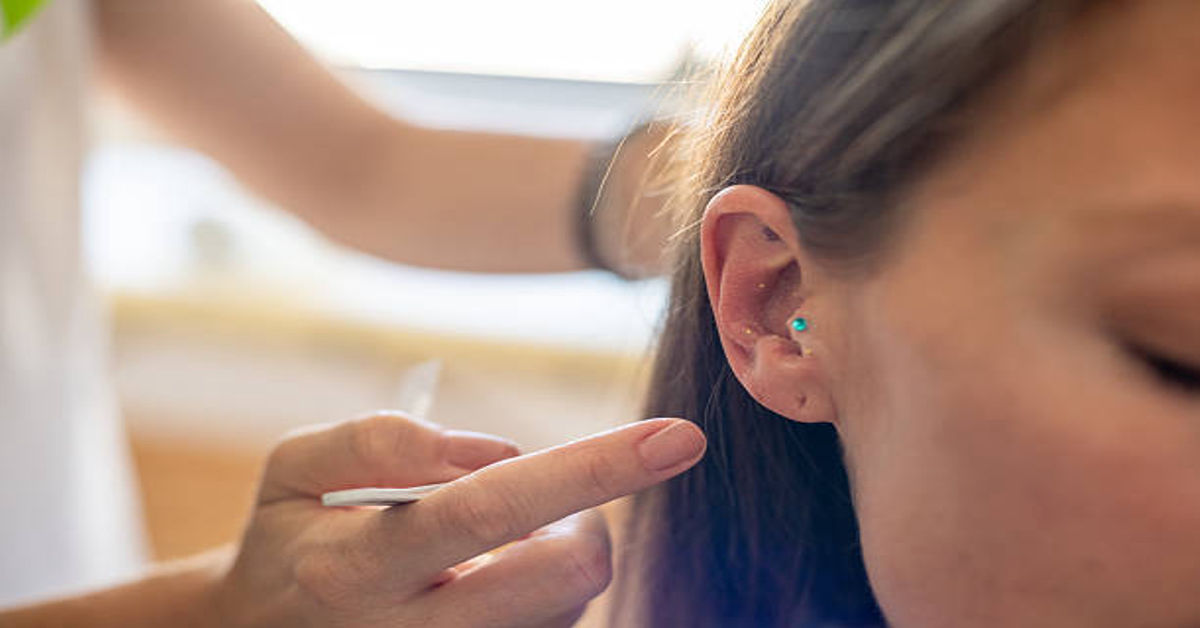
A helix piercing refers to the cartilage piercing located on the upper ear rim. Unlike traditional lobe piercings, helix piercings involve cartilage, which is denser and slower to heal. This piercing has grown popular in contemporary fashion due to its versatility, aesthetic appeal, and ability to host various jewelry styles. People choose helix piercings for self-expression, cultural reasons, or fashion trends, often pairing them with multiple piercings for unique ear designs.
Historically, ear cartilage piercings have existed in various cultures, often symbolizing status, spiritual beliefs, or community affiliation. Today, helix piercings are mainstream, available at professional piercing studios worldwide. Unlike industrial piercings, which connect two points with a barbell, a helix piercing is a single puncture, offering flexibility in jewelry selection.
Understanding helix piercing requires awareness of ear anatomy, pain expectations, healing requirements, and risks. Cartilage piercings differ from lobe piercings in both tissue density and vascularization, which affects the body’s response to healing and infection.
Anatomy of the Helix
The helix is the outermost curve of the ear’s cartilage. It begins above the earlobe and forms a rim that extends to the ear’s upper edge. The cartilage in this region is firm, providing a stable structure for piercings but also making it more susceptible to trauma if not properly cared for. The thickness of the cartilage varies from person to person, influencing needle choice and jewelry type.
A detailed understanding of the helix anatomy is critical for safe piercing. The cartilage is avascular, meaning it receives minimal direct blood supply. This anatomical fact is why cartilage piercings heal slower than lobe piercings and why infections, when they occur, can be more serious. Piercers must carefully select placement points to avoid excessive pressure and reduce the risk of complications such as keloids or cartilage bumps.
Types of Helix Piercings
Helix piercings can be classified based on their location along the ear rim:
| Type | Description | Common Jewelry |
|---|---|---|
| Standard Helix | Upper outer rim near middle cartilage | Hoops, studs |
| Forward Helix | Front part of the ear near the face | Small studs, barbells |
| Double/Triple Helix | Multiple piercings along rim | Coordinated hoops or studs |
| Industrial (connected) | Two points connected by barbell | Straight or curved barbell |
These variations allow for creative expression and layering, with some individuals choosing symmetrical piercings or asymmetrical designs based on personal preference. The choice often depends on pain tolerance, ear shape, and aesthetic goals.
Jewelry Options for Helix Piercings
Jewelry choice is critical for both aesthetics and healing. The most common materials include surgical stainless steel, titanium, gold, and biocompatible plastics. Choosing hypoallergenic materials reduces the risk of irritation and infection.
Popular jewelry types include:
- Hoops: Circular rings that create a smooth, elegant look. Available in various diameters.
- Studs: Simple, versatile, and easy to maintain, ideal for new piercings.
- Barbells: Straight or curved, used for multiple piercings or industrial setups.
- Captive bead rings: Rings with a single bead that closes the circle, often decorative.
The size and gauge of jewelry impact healing. Smaller gauges (higher number) cause less tissue trauma initially, while larger gauges (lower number) may require longer healing.
Procedure and Pain Expectations
Helix piercing involves a professional piercer using a sterilized hollow needle. Piercing guns are not recommended due to the blunt trauma they cause, which can crack cartilage. The process typically involves marking the intended spot, cleaning the area, and puncturing the cartilage with controlled pressure.
Pain varies depending on individual tolerance, ear thickness, and location. Most people describe the sensation as sharp but brief, followed by mild throbbing. The pain is generally less intense than expected when performed by an experienced piercer. Ice or topical numbing may reduce discomfort during the procedure.
Healing Process and Timelines
Healing cartilage piercings requires patience due to limited blood flow in the cartilage. A typical healing period ranges from 3 to 9 months, sometimes longer for double or triple piercings. Proper aftercare is essential to avoid infection, bumps, or prolonged healing.
A typical healing timeline:
| Stage | Duration | Symptoms | Care Tips |
|---|---|---|---|
| Initial healing | 0–2 weeks | Swelling, redness, tenderness | Clean twice daily, avoid touching |
| Intermediate healing | 2–8 weeks | Reduced pain, slight crusting | Continue cleaning, avoid sleeping on ear |
| Full healing | 3–9 months | Stable, no pain, jewelry secure | Rotate jewelry gently, maintain hygiene |
Healing can be influenced by lifestyle factors such as sleep position, stress, diet, and smoking. Avoiding trauma and consistent care speeds up recovery.
Aftercare Guidelines
Effective aftercare is vital for successful healing. Recommended practices include:
- Wash hands before touching the piercing.
- Clean the area twice daily with saline solution or mild antiseptic.
- Avoid alcohol or peroxide-based solutions that can dry tissue.
- Refrain from sleeping directly on the piercing for the first few months.
- Avoid swimming in pools or natural water until fully healed.
Proper aftercare reduces the risk of infection, keloid formation, and other complications. Consulting a piercer for advice on jewelry changes and care is essential.
Risks and Potential Complications
Helix piercings, like all cartilage piercings, carry certain risks:
| Risk | Description | Prevention |
|---|---|---|
| Infection | Bacterial growth in cartilage | Sterile procedure, proper cleaning |
| Keloids | Raised, thick scar tissue | Avoid trauma, monitor healing |
| Migration/Rejection | Jewelry moves toward surface | Proper placement, suitable jewelry |
| Cartilage bumps | Firm lumps near piercing | Avoid twisting, maintain hygiene |
Most complications are preventable with professional piercing, high-quality jewelry, and diligent aftercare.
Pain Management During Healing
Managing discomfort after piercing is part of the healing process. Mild swelling or tenderness is normal. Ice packs, over-the-counter pain relievers, and elevating the head while sleeping can reduce pain. Avoiding excessive pressure or frequent touching is crucial to prevent aggravation.
Cultural and Fashion Significance
Helix piercings have gained cultural and fashion prominence over the past decades. Celebrities, musicians, and influencers have popularized multiple helix piercings, creating trends that emphasize individuality and creativity. The piercing can reflect personal style, identity, or affiliation with certain subcultures.
The flexibility of helix placements allows unique customization, enabling layering with lobe piercings, forward helix, tragus, and conch piercings to create curated ear aesthetics.
Combining Helix Piercings with Other Ear Piercings
Many enthusiasts combine helix piercings with other ear piercings to enhance style. Combinations include:
- Helix + lobe piercings
- Double or triple helix with forward helix
- Helix with industrial piercing for a bold look
- Conch and daith combinations for unique ear jewelry designs
Strategic combinations allow for symmetry or asymmetry depending on personal aesthetic goals. Planning placement with a piercer ensures safety and optimal healing.
Jewelry Trends and Styling Tips
Current trends favor minimalistic rings, delicate studs, or colorful gemstones. Mixing metals, layering multiple piercings, and rotating jewelry styles are popular practices. Subtle helix studs for everyday wear and bold hoops for special occasions offer versatility.
Customizable and interchangeable jewelry promotes creativity while allowing for professional-grade materials that support healing and comfort.
Conclusion
Helix piercings are a stylish and versatile option for individuals seeking ear cartilage modifications. Understanding anatomy, placement, jewelry, healing process, and aftercare is critical for safe and successful results. Patience, hygiene, and professional guidance ensure that a helix piercing heals properly, allowing for aesthetic expression with minimal risk. Whether opting for a single piercing or multiple layered designs, the helix provides a canvas for creativity and self-expression that has both cultural and fashion significance.
FAQs
Does helix piercing hurt more than lobe piercing?
Yes, slightly. Cartilage is firmer and less vascularized, but the pain is brief and manageable.
How long does it take for a helix piercing to fully heal?
Healing ranges from 3 to 9 months depending on care, placement, and individual physiology.
Can I change jewelry before healing?
No. Jewelry should only be changed after the piercing is fully healed to avoid infection and migration.
What materials are safest for helix piercings?
Titanium, surgical stainless steel, and high-quality gold are recommended for minimizing allergic reactions.
Can helix piercings get infected easily?
Cartilage piercings are more prone to infection than lobe piercings, especially if hygiene is poor or trauma occurs.