
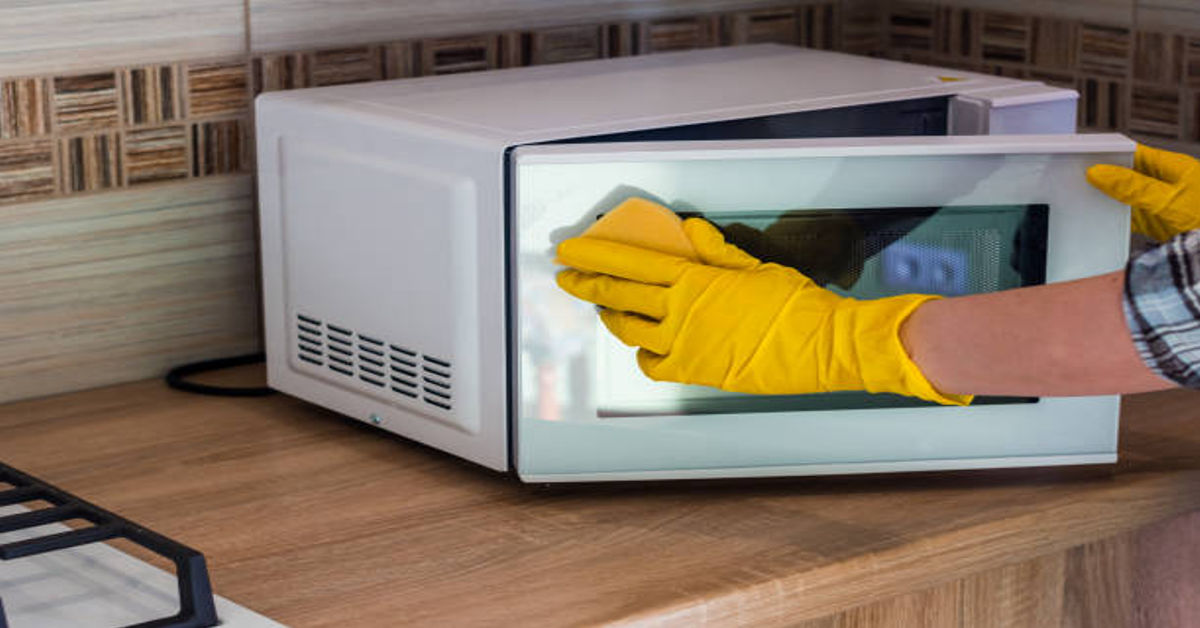
Keeping a microwave clean is essential for maintaining hygiene, ensuring food safety, and preserving the appliance’s performance and lifespan. Because microwaves are used frequently for reheating, defrosting, and cooking, they are prone to food splatters, grease buildup, lingering odors, and bacteria growth. Many people postpone cleaning their microwave because it seems inconvenient or time-consuming, but with the right approach, it can be a simple and even satisfying task. This detailed guide explains how to clean a microwave thoroughly, safely, and efficiently using easy methods and readily available ingredients, while also offering preventive tips to keep it clean longer.
Why Cleaning a Microwave Is Important
A microwave may appear harmless, but over time it can become one of the dirtiest appliances in the kitchen. When food splatters or spills occur, heat causes them to harden and stick to interior surfaces. These residues can harbor bacteria, create unpleasant smells, and even affect the taste of freshly heated food. Additionally, grease buildup can reduce efficiency and cause uneven heating.
Cleaning a microwave regularly prevents these issues and ensures a healthier cooking environment. A clean microwave also improves energy efficiency, as built-up grime can interfere with heat distribution. Beyond health and functionality, maintaining cleanliness enhances the appearance of your kitchen and reflects good household hygiene practices.
Understanding Microwave Components Before Cleaning
Before learning how to clean a microwave, it is important to understand its basic components. This knowledge helps prevent damage during cleaning and ensures that all areas receive proper attention.
The interior cavity is usually coated with enamel or ceramic material designed to withstand heat and resist stains. The turntable, typically made of glass, rotates food to ensure even heating. Beneath it is a roller ring or support that often collects crumbs and spills. The door includes a glass window, seals, and vents, which require gentle cleaning to maintain proper closure and radiation containment. The exterior includes the control panel, handle, and ventilation openings, all of which should be cleaned carefully to avoid moisture damage.
Safety Precautions Before Cleaning
Safety should always come first when cleaning any electrical appliance. Always unplug the microwave before cleaning to eliminate the risk of electrical shock. Never spray cleaning solutions directly onto the control panel or vents, as moisture can seep into internal electronics. Use soft cloths or sponges rather than abrasive scrubbers to prevent scratches. Avoid harsh chemical cleaners, especially those with strong fumes, as they can damage interior coatings and leave harmful residues.
It is also important to allow the microwave to cool completely if it was recently used. Cleaning a hot microwave can cause burns or damage surfaces due to sudden temperature changes.
Basic Daily Cleaning Routine
Daily or frequent cleaning prevents stubborn stains from forming. After each use, wiping the interior with a damp cloth can remove fresh splatters before they harden. This habit significantly reduces the need for deep cleaning later.
A simple daily routine involves removing the turntable, wiping it with warm soapy water, and drying it thoroughly. The interior walls and ceiling can be wiped using a soft cloth dampened with water. This quick maintenance takes only a few minutes and keeps the microwave consistently clean and odor-free.
Deep Cleaning a Microwave Using Steam
Steam cleaning is one of the most effective and natural methods for loosening stubborn food residue. It uses moisture and heat to soften dried-on stains, making them easy to wipe away without excessive scrubbing.
To steam clean a microwave, fill a microwave-safe bowl with water and place it inside. Heating the water for several minutes creates steam that condenses on the interior surfaces. Once the cycle is complete, allow the bowl to sit inside for a short time so the steam continues working. Carefully remove the bowl and wipe the interior with a cloth or sponge.
This method is particularly effective for grease and hardened food splatters and does not require any chemical cleaners.
Cleaning a Microwave With Vinegar
Vinegar is a powerful natural cleaner known for its ability to dissolve grease, eliminate odors, and kill bacteria. When combined with steam, it becomes even more effective.
To clean a microwave with vinegar, mix equal parts water and white vinegar in a microwave-safe bowl. Heat the mixture until it boils and produces steam. Let it sit briefly, then wipe down all interior surfaces. Vinegar cuts through stubborn grime and neutralizes lingering smells.
Although vinegar has a strong scent initially, it dissipates quickly, leaving the microwave fresh and clean. This method is ideal for regular deep cleaning.
Cleaning a Microwave With Lemon
Lemon is another natural cleaning agent that offers both cleaning power and a pleasant fragrance. Its acidity helps break down grease, while its fresh scent neutralizes odors.
To use lemon, slice one lemon in half and place it in a bowl of water. Heat the mixture until it steams, then let it sit. Wipe the interior with a cloth to remove loosened debris. Lemon cleaning is particularly effective for deodorizing microwaves that have absorbed strong food smells such as fish or spices.
Baking Soda for Tough Stains
Baking soda is excellent for tackling tough, stuck-on stains. It is mildly abrasive yet gentle enough to avoid scratching surfaces.
To use baking soda, mix it with water to form a paste. Apply the paste to stained areas and let it sit for several minutes. Gently scrub with a soft sponge and wipe clean with a damp cloth. Baking soda also helps absorb odors, making it a versatile cleaning agent.
Cleaning the Turntable and Roller Ring
The turntable and roller ring often collect spills and crumbs that go unnoticed. Removing them for separate cleaning ensures thorough hygiene.
Wash the glass turntable with warm soapy water or place it in the dishwasher if it is dishwasher-safe. Clean the roller ring with a brush or cloth to remove trapped debris. Dry both components completely before placing them back inside the microwave.
Cleaning the Microwave Door and Seals
The microwave door is frequently touched and can harbor fingerprints, grease, and bacteria. Clean the door glass with a damp cloth or mild cleaner. Pay special attention to the door seals, as food particles can accumulate there and affect proper closure.
Use a soft cloth and gentle cleaner to avoid damaging the seal. Never soak the door or allow water to seep into vents or edges.
Cleaning the Exterior and Control Panel
The exterior of the microwave, including the control panel and handle, should be cleaned carefully. Use a lightly damp cloth with mild soap to wipe surfaces. Avoid spraying liquid directly onto the panel.
For stubborn fingerprints or grease, a diluted vinegar solution can be used sparingly. Dry all surfaces thoroughly to prevent streaks and moisture damage.
Deodorizing a Microwave
Even after cleaning, some microwaves retain unpleasant odors. Natural deodorizing methods can help eliminate these smells effectively.
Placing a bowl of baking soda or coffee grounds inside the microwave overnight absorbs lingering odors. Heating a bowl of water with lemon slices or vanilla extract can also neutralize smells and leave a fresh scent.
Common Microwave Cleaning Mistakes
Many people unknowingly damage their microwave by using improper cleaning techniques. Using abrasive pads can scratch interior surfaces, making them more prone to staining. Harsh chemical cleaners can leave residues that contaminate food. Excessive water can seep into vents and damage internal components.
Avoid these mistakes by using gentle tools, natural cleaners, and minimal moisture.
Cleaning Frequency Recommendations
How often you clean your microwave depends on how frequently you use it. Light users may only need weekly cleaning, while heavy users benefit from daily wipe-downs and weekly deep cleaning.
| Usage Level | Recommended Cleaning Frequency |
|---|---|
| Light Use | Weekly interior cleaning |
| Moderate Use | Wipe daily, deep clean weekly |
| Heavy Use | Wipe after each use, deep clean twice weekly |
Natural vs Chemical Cleaners
Natural cleaners such as vinegar, lemon, and baking soda are safer and environmentally friendly. They do not leave harmful residues and are effective for most cleaning tasks. Chemical cleaners may offer convenience but should be used cautiously due to potential health risks.
| Cleaner Type | Benefits | Drawbacks |
|---|---|---|
| Natural Cleaners | Safe, eco-friendly, affordable | May require more time |
| Chemical Cleaners | Fast, powerful | Potential residue, fumes |
Preventing Microwave Messes
Prevention is the easiest way to keep a microwave clean. Covering food with a microwave-safe lid or paper towel prevents splatters. Stirring food halfway through heating reduces boiling over. Using appropriate containers minimizes spills.
Regular maintenance saves time and effort in the long run.
Long-Term Maintenance Tips
Maintaining a clean microwave extends its lifespan. Inspect seals and hinges regularly, clean vents to ensure proper airflow, and address spills immediately. Avoid overheating foods that can splatter or explode.
Consistent care keeps the appliance functioning efficiently and hygienically.
Environmental and Health Benefits of Proper Cleaning
A clean microwave contributes to a healthier kitchen environment by reducing bacteria and mold growth. Using natural cleaning methods minimizes chemical exposure and environmental impact. Proper maintenance also reduces energy consumption, supporting sustainable living practices.
Final Thoughts
Learning how to clean a microwave effectively is an essential household skill. With simple methods, natural ingredients, and regular maintenance, keeping your microwave spotless does not require much effort. A clean microwave not only looks better but also ensures safer food preparation and longer appliance life. By adopting the practices outlined in this guide, you can maintain a hygienic, odor-free microwave that serves your household reliably for years.
Frequently Asked Questions
How often should I clean my microwave?
Light cleaning after each use and deep cleaning once a week keeps the microwave hygienic and prevents buildup.
Can I use vinegar to clean a microwave safely?
Yes, vinegar is safe, effective, and natural when diluted with water and used properly.
Is it safe to use baking soda inside a microwave?
Baking soda is safe and useful for removing tough stains and absorbing odors when used with water.
What should I avoid when cleaning a microwave?
Avoid abrasive scrubbers, harsh chemicals, and excessive water near vents or control panels.
How do I remove stubborn odors from a microwave?
Use lemon steam, baking soda, or coffee grounds to neutralize lingering smells effectively.