
In a year defined by economic shock and emergency protections, eviction became a quiet but telling measure of stability. I begin this report by examining how Idaho tracked housing loss in 2020 and why Shoshone County rarely appears in headline statistics. Readers searching for “Idaho Policy Institute formal eviction rate 2020 Shoshone County” are often surprised to learn that the absence of a county figure does not mean the absence of evictions. It means the data are thin, aggregated, and shaped by rural scale.
The Idaho Policy Institute, based at Boise State University, compiles formal eviction data directly from Idaho Supreme Court records. In 2020, those records showed 1,127 Idaho renting households formally evicted, about 0.6 percent of all renters statewide. That number represented a sharp decline from 2019, reflecting federal relief, temporary moratoriums elsewhere, and widespread payment assistance.
Shoshone County, a sparsely populated area in northern Idaho, does not receive a highlighted rate in IPI’s public summaries. Yet the county’s roughly 1,970 renter households still faced the same structural pressures as urban Idaho, only with fewer safeguards. Rural economies, limited housing stock, and small landlord pools shape eviction risk differently. Understanding that difference requires reading between the lines of statewide data rather than waiting for a county statistic that may never be published. – idaho policy institute formal eviction rate 2020 shoshone county.
Idaho’s Formal Eviction Framework

Idaho’s eviction data infrastructure is unusually precise in one sense and incomplete in another. The Idaho Policy Institute tracks only formal evictions, meaning cases that proceed through the courts and result in a writ of restitution. Informal evictions, including lockouts, pressure to leave, or unfiled agreements, remain invisible. This distinction matters deeply in rural counties, where landlords and tenants often resolve disputes outside court.
Statewide in 2020, filings dropped to about 1 percent of renting households, down from 1.4 percent in 2019. Formal evictions declined even more sharply. According to IPI analysis, nearly 60 percent of filings stemmed from nonpayment of rent. That proportion has remained remarkably stable over time, suggesting that income volatility, rather than lease violations, drives most housing loss. – idaho policy institute formal eviction rate 2020 shoshone county.
Dr. Katherine Nelson, a housing policy researcher at Boise State University, has noted that “formal eviction numbers tell us where the legal system intervenes, not where housing instability begins.” Her assessment underscores why rural counties often appear calm in data sets even when economic strain runs high. Small absolute numbers can hide large proportional impacts within tight-knit communities.
2020 in Context: A Pandemic Year
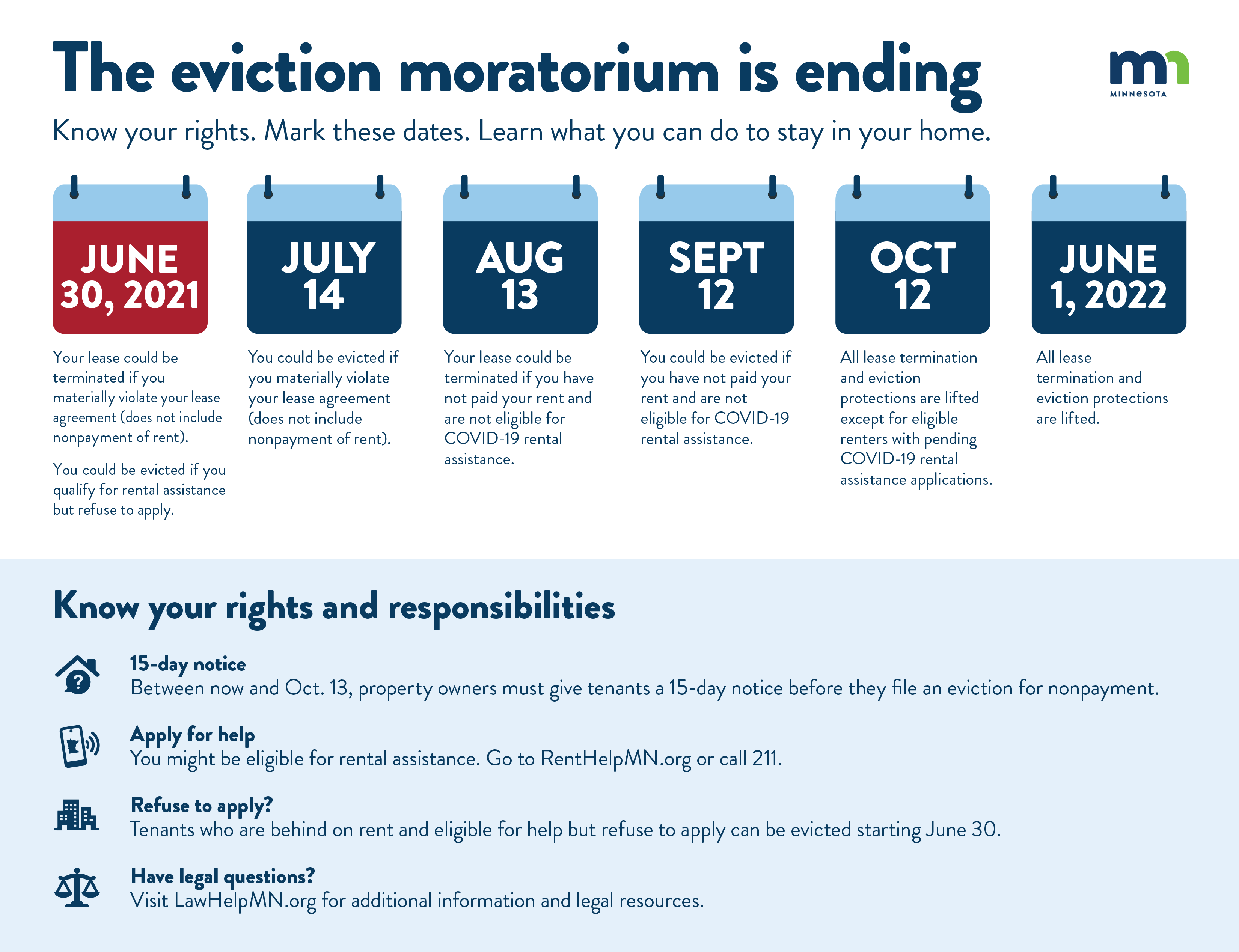
The year 2020 reshaped eviction patterns nationwide. While Idaho never enacted a statewide eviction moratorium, federal stimulus payments, expanded unemployment insurance, and emergency rental assistance altered tenant behavior and landlord decisions. Court closures and procedural delays also slowed filings.
Statewide, Idaho’s formal eviction rate fell from 0.8 percent in 2019 to 0.6 percent in 2020. That decline mirrored national trends documented by the Princeton Eviction Lab, though Idaho’s baseline was already lower than many states. The drop did not signal improved affordability. Instead, it reflected temporary buffers against income loss.
For Shoshone County, the pandemic amplified existing vulnerabilities. Mining and resource-based employment declined during early lockdowns, and seasonal work stalled. Yet the county’s small population meant eviction cases rarely reached the threshold for public statistical reporting. Each filing represented not a trend line, but a household crisis with few alternatives nearby. – idaho policy institute formal eviction rate 2020 shoshone county.
Housing advocate Laura Hines of Idaho Voices for Children has argued that “rural eviction is a story of invisibility.” Without robust county-level publication, policymakers rely on statewide averages that skew toward Ada and Canyon counties, where filings are concentrated.
Read: PedroVazPaulo Business Consultant Profile and Impact
Shoshone County by the Numbers
Shoshone County is home to roughly 13,500 residents, with renter-occupied housing accounting for about 28 percent of all occupied units. Census estimates place the county’s poverty rate at approximately 15.1 percent in 2023, above the Idaho average. Median household income hovers near $50,000, reflecting the legacy of mining and manufacturing work that has struggled to keep pace with rising living costs.
In 2020, IPI’s public materials did not list a formal eviction rate for Shoshone County. That omission does not imply zero evictions. Rather, it reflects low absolute counts that are often aggregated to protect privacy or simplify presentation. In practical terms, a handful of cases in a small county can translate into significant disruption.
Rural landlords often own one or two properties, making them more vulnerable to missed rent and less able to absorb losses. Tenants, in turn, face limited housing alternatives if displaced. The absence of public transportation and social services compounds the impact of even a single eviction.
Comparing 2019 and 2020 Statewide
| Year | Formal Evictions | Rate of Renting Households | Filing Rate | Context |
|---|---|---|---|---|
| 2019 | 1,611 | 0.8% | 1.4% | Pre-pandemic peak |
| 2020 | 1,127 | 0.6% | 1.0% | Pandemic relief effects |
This comparison illustrates how quickly policy and economic conditions can influence eviction outcomes. While filings and evictions declined, the underlying affordability gap remained. In rural counties, that gap was cushioned temporarily, not resolved.
Why County Data Often Disappears

County-level eviction data is constrained by scale. When filings number in the single digits, publishing exact rates risks identifying households. Research institutes therefore emphasize statewide or metropolitan trends. This practice, while methodologically sound, leaves rural policymakers with limited evidence tailored to their communities.
Shoshone County’s experience mirrors that of many rural areas across the West. Housing stock is aging, new construction is rare, and demand fluctuates with employment cycles. When rents rise even modestly, low-income households feel the strain immediately.
Professor Benjamin Yoder, an economist specializing in rural development, explains that “eviction risk in rural counties is episodic rather than constant.” A mine closure or mill slowdown can trigger a brief spike that disappears statistically within annual averages. For families affected, however, the consequences linger far longer.
The Role of Informal Evictions
Formal eviction data captures only part of the story. Informal evictions, including threats, buyouts, or nonrenewal of leases, are common in areas with close social ties. Tenants may leave to avoid court, and landlords may prefer informal resolution to legal expense.
In Shoshone County, anecdotal reports from legal aid organizations suggest informal displacement increased during the pandemic. Without court filings, these cases never enter IPI’s database. The result is an undercount that disproportionately affects rural and low-income renters. – idaho policy institute formal eviction rate 2020 shoshone county.
This gap has policy implications. Funding formulas and prevention programs often rely on documented need. When rural evictions go uncounted, resources follow urban data, reinforcing regional disparities.
Post-2020 Trends and Lessons
By 2023, Idaho recorded 3,074 renter households with at least one eviction filing, and 1,256 formal evictions. While filings surged, formal eviction rates remained below pre-pandemic levels, partly due to expanded mediation programs. Counties like Ada and Canyon dominated these figures, shaping the statewide narrative.
For Shoshone County, the lesson of 2020 remains relevant. Temporary relief can suppress evictions, but long-term stability requires affordable housing supply, income growth, and accessible legal assistance. Rural counties need tailored data tools that respect privacy while illuminating risk.
Key Drivers of Rural Eviction Risk
| Driver | Impact in Rural Counties | Evidence |
|---|---|---|
| Nonpayment of rent | Primary cause of filings | ~60% statewide |
| Limited housing supply | Few alternatives after eviction | Aging stock |
| Economic volatility | Income swings from seasonal work | Mining, resource jobs |
| Informal practices | Underreported displacement | Legal aid reports |
These factors intersect in places like Shoshone County, where a single missed paycheck can cascade into housing loss.
Takeaways
- Idaho’s formal eviction rate fell in 2020 due to pandemic-related supports, not improved affordability.
- Shoshone County lacks a published eviction rate because of low absolute case counts, not absence of risk.
- Rural eviction impacts are magnified by limited housing options and social services.
- Informal evictions likely exceed formal cases in small counties.
- Statewide averages are driven by urban counties, masking rural realities.
- Better rural data is essential for equitable housing policy.
Conclusion
The story of eviction in Idaho during 2020 is often told through statewide percentages and urban courtrooms. Yet in rural counties like Shoshone, the narrative unfolds quietly, case by case, family by family. I close this analysis with the recognition that absence of data is not absence of harm. Formal eviction records, while invaluable, capture only the moments when housing instability intersects with the legal system.
Shoshone County’s experience reminds policymakers that scale matters. A handful of evictions in a small community can ripple outward, affecting schools, employers, and local services. As Idaho continues to refine its housing policies, the challenge lies in seeing beyond the averages and designing interventions that acknowledge rural vulnerability. The pandemic year of 2020 offered a glimpse of what temporary support can achieve. The work ahead is to transform that lesson into durable stability for all Idaho renters. – idaho policy institute formal eviction rate 2020 shoshone county.
FAQs
What is a formal eviction in Idaho?
A formal eviction is a court-ordered removal following a legal process that ends with a writ of restitution.
Why is Shoshone County not listed separately in eviction reports?
Low case counts are often aggregated to protect privacy and simplify reporting.
Did Idaho have an eviction moratorium in 2020?
No statewide moratorium existed, but federal aid and court delays reduced filings.
Are informal evictions included in IPI data?
No, informal evictions are not captured in court records.
How does rural eviction differ from urban eviction?
Rural evictions involve fewer cases but greater impact due to limited housing alternatives.