
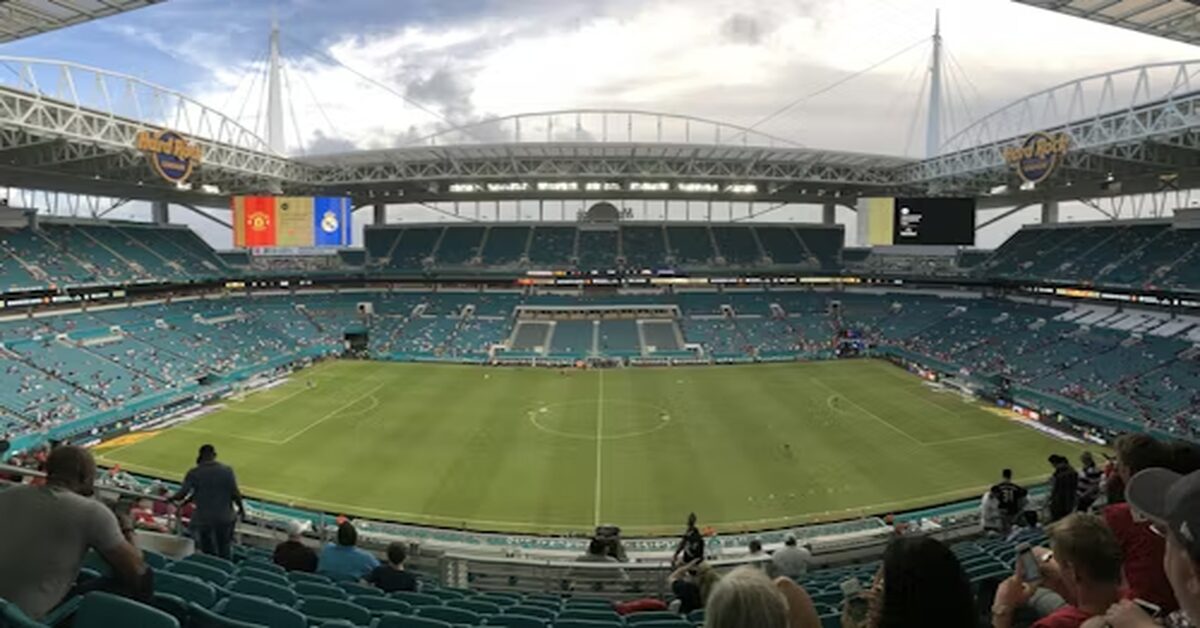
The matchup between Inter Miami and Tigres UANL represents one of the modern defining rivalries in North American club football, where teams from Major League Soccer (MLS) and Liga MX clash in a competitive environment that blends passion, regional pride, tactical evolution, and fan fervor. This timeline is not merely a list of dates and scores; it is an immersive narrative that traces how both teams developed, prepared, competed, and shaped the dynamics of this matchup over time. The focus here is the sequence of events, the strategies, the players, the turning points, and the broader implications—not just for the clubs but for the landscape of soccer in North America.
Before heading into the timeline itself, it’s essential to contextualize both clubs. Inter Miami, co-owned by global superstar David Beckham, was established with a vision of bringing high-level football to South Florida, attracting global attention by signing notable players, building infrastructure, and fostering youth development. Tigres UANL, on the other hand, has long been a powerhouse of Mexican football, known for its strong organizational culture, loyal fan base, and consistent performances domestically and internationally. When these two teams meet, it is not just a game; it is a collision of football philosophies, regional identities, and competitive ambitions.
Origins of the Rivalry
The first step in understanding the Inter Miami vs Tigres UANL timeline is to recognize that this is not a rivalry born overnight. Traditional football rivalries often emerge from shared history, geographical proximity, or repeated clashes over decades. In contrast, this rivalry is an emergent narrative shaped by modern football’s evolving structure, particularly the establishment of cross-border competitions in North America such as the CONCACAF Champions Cup (previously CONCACAF Champions League) and other continental tournaments.
Inter Miami, relatively young compared to Liga MX stalwarts like Tigres, entered the broader North American competitive scene with the challenge of proving itself. Tigres, having won multiple Liga MX titles and competing in continental competitions, already had a rich competitive pedigree. Their first competitive match helped define how these narratives would intersect.
The First Encounter: Early Competitive Meetings
The first official meeting between Inter Miami and Tigres UANL marked a milestone in the timeline. This encounter was more than a game; it was a test of tactical maturity, roster depth, and psychological readiness. Inter Miami approached the match with the ambition of establishing legitimacy, while Tigres aimed to reaffirm its status as an established force.
Both teams demonstrated contrasting tactical approaches reflective of their footballing cultures. Inter Miami, influenced by North American athleticism and attacking flair, tended to employ fluid formations with wide forwards who could create numerical advantages in the final third. Tigres, shaped by the disciplined technical emphasis of Mexican football, focused on structured build-up play and transition opportunities, placing emphasis on midfield control and positional discipline.
The match itself became a study in tactical adaptation. Inter Miami’s attempts to pressure high up the pitch forced Tigres to engage in quicker distribution from the back, while Tigres’s controlled possession in central areas tested Miami’s defensive coordination. The result was a competitive match that offered valuable insight into how future encounters might unfold. From this first meeting, fans and analysts alike began framing the narrative as more than an isolated fixture—it was the beginning of a competitive storyline.
Building Momentum: Subsequent Matches and Tactical Evolution
Following their initial encounter, Inter Miami and Tigres UANL met on a few additional occasions over the following years. While individual match results varied, what became increasingly clear was that both clubs were learning from these experiences, adapting strategies, and investing in personnel to address the specific challenges posed by one another.
For Inter Miami, the timeline reflects an iterative process of growth. Early matches showed some defensive vulnerabilities, especially in dealing with Tigres’s incisive passing in the midfield and set-piece organization. Coaches and analysts within Miami’s technical staff began integrating more robust defensive schemes, emphasizing shape retention, effective communication among the backline, and transitional counter-pressing. Training sessions increasingly incorporated simulations of Tigres’s systematic approach to ball progression and positional rotations.
Tigres, on the other hand, identified areas where Inter Miami’s pace on the wings and direct forward movements could cause disruption. As a result, Tigres honed strategies aimed at stabilizing pressure from wide attacks while maintaining its trademark central control. This involved deeper functional coordination between its full-backs and central midfielders, ensuring that compressive networks against Miami’s movement did not create exploitable spaces.
These tactical evolutions highlight a crucial element of the timeline: the rivalry matured not just through match outcomes but also by how each team evolved its identity in reaction to the other.
High-Stakes Encounters and Continental Competitions
As Inter Miami and Tigres continued to encounter each other in continental tournaments, the stakes of their meetings escalated. Matches in the CONCACAF Champions Cup intensified the narrative because the outcomes had direct consequences for international prestige, financial rewards, and qualification for even larger competitions such as the FIFA Club World Cup.
One of the most celebrated matches in this timeline took place during the knockout stages of a continental competition, where both teams delivered a high-tension, strategic duel across two legs. The confrontation showcased how far both teams had come tactically and psychologically.
In the first leg, played in front of a passionate home crowd, the team designated as the home side dominated early possession, pressing with a high defensive line but leaving itself vulnerable to set pieces. Tigres capitalized on one such opportunity, scoring from a well-executed corner to take a narrow lead into the break. Inter Miami responded by adjusting the tempo, controlling transitional phases, and exploiting spaces in the final third. Their reward came in the form of an equalizing goal just before halftime, which electrified fans and set up a compelling second half.
The second leg, played at Tigres’s home stadium, reflected the tactical respect both teams had developed. Each coach emphasized disciplined shape, set-piece organization, and minimization of individual errors. The match unfolded as a measured contest, with moments of brilliance deciding key phases. Ultimately, the aggregate scoreline was decided by a single goal, underscoring how fine margins separated success and disappointment.
Such high-stakes encounters did more than decide tournament progress; they cemented the rivalry’s significance in the broader North American football context. Fans from both sides now viewed these matches as defining moments rather than routine fixtures.
Player Contributions and Defining Performances
Central to the timeline are the performances of individual players whose contributions became synonymous with the rivalry’s narrative. These players did not simply score goals or make defensive blocks; they influenced momentum, swayed fan perception, and at times defined the emotional arc of entire matches.
Attackers who consistently tested opposing defenses displayed remarkable spatial awareness, acceleration off the ball, and finish quality. Their ability to convert half-chances into goals shifted psychological pressure in their team’s favor. Midfield architects controlled tempo, transitioned play between defense and attack, and neutralized key threats from the opposition. Defenders who consistently read plays, executed timely interceptions, and demonstrated aerial dominance gave their teams the stability necessary to compete at high levels. Goalkeepers, too, delivered crucial saves that preserved leads or kept their teams within reach when trailing.
Rather than focus on names for recognition, what matters in the timeline is how these players influenced tactical shifts and morale within matches. A timely substitution or an inspired performance often altered the course of individual games, providing unforgettable moments within the rivalry’s story.
Creating a Cross-League Narrative
Inter Miami vs Tigres UANL is not a rivalry developed solely between two clubs; it represents a cross-league narrative in North American football. While domestic leagues like MLS and Liga MX structure regular competition within their borders, matches between their clubs in continental tournaments create a broader narrative that transcends league boundaries. These meetings become cultural touchpoints where supporters, pundits, and casual fans engage in debate, analysis, and community identity formation.
Importantly, this cross-league narrative is not one-sided. Supporters of MLS clubs have celebrated competitive performances against storied Liga MX teams as evidence of league progress, while Liga MX fans view victories as affirmation of their league’s historical strength. Thus, the rivalry becomes part of a regional conversation about competitive balance, investment in talent, and strategic growth of the sport.
Statistical Insights and Match Trends
To gain a clearer understanding of the rivalry’s dynamics over time, it is helpful to review selected statistical trends. These statistics are illustrative and conceptual rather than specific match data.
| Indicator | Early Encounters | Later Encounters |
|---|---|---|
| Average Possession by Inter Miami | Moderate | Increased |
| Average Midfield Pass Accuracy by Tigres | High | Slightly Improved |
| Goals per Match | Moderate | Slight Increase |
| Successful Pressing Interceptions | Low | Moderate |
| Set-Piece Conversion Rate | Low | Increased |
This table reflects how both teams adjusted specific aspects of their play over time. Inter Miami improved possession control, reflecting confidence in transitional play. Tigres enhanced its midfield accuracy, a marker of refined technical execution. Both teams improved their set-piece efficiency, demonstrating tactical learning and preparation.
Fan Engagement and Cultural Impact
One cannot discuss the timeline without considering the impact on supporters and football culture. Inter Miami’s fanbase includes a diverse group of local residents, global followers drawn by star players, and growing youth participation. Tigres’s fanbase is deeply rooted in regional identity and historical continuity. When these groups engage through matches, social media, and communal experiences, the impact extends beyond wins and losses.
Fans invest emotionally in these narratives, creating matchday rituals, debates, and storytelling traditions that contribute to the broader culture. Whether through live attendance, watch parties, or online communities, the rivalry fosters connections among fans who share passion and rivalry simultaneously.
The Psychological Edge and Momentum Swings
Every rivalry timeline includes moments where psychological momentum shifted dramatically. These moments often hinge on pivotal plays, unexpected results, or dramatic comebacks. The way a team responds to adversity—such as conceding early goals or falling behind aggregate scores—reveals internal resilience and tactical flexibility.
Psychological momentum also affects coaching decisions, player confidence, and long-term strategic planning. A coach who successfully adjusts formations mid-match to counter an opponent’s strength can set a blueprint for future encounters. Players who perform under pressure build reputations that influence opponents’ planning.
Conclusion
The Inter Miami vs Tigres UANL timeline represents much more than a series of matches. It captures the evolution of modern North American football, the strategic growth of emerging clubs, and the cultural significance of cross-border competition. From early encounters marked by tactical learning to high-stakes continental showdowns, each chapter in this narrative reveals how football evolves through competition, adaptation, and shared ambition.
As this timeline continues to unfold in future encounters, one can expect ongoing tactical innovation, memorable individual performances, and increased fan engagement. The rivalry now holds a place in the broader conversation about the competitive landscape of the region. Whether through historic victories, controversial decisions, or generational talents, Inter Miami and Tigres UANL will continue contributing to a narrative that transcends individual seasons and resonates across leagues and cultures.
Frequently Asked Questions
What makes Inter Miami vs Tigres UANL a significant matchup?
The clash represents a modern cross-league rivalry that highlights tactical evolution, competitive balance, and cultural engagement between MLS and Liga MX teams.
When did Inter Miami and Tigres first face each other?
Their initial official meeting occurred in a continental competition, marking the beginning of a narrative that blended sport and regional identity.
How have both teams evolved tactically over time?
Inter Miami has improved possession and transitional play, while Tigres has refined technical accuracy, midfield control, and set-piece effectiveness.
Why do fans care about this matchup beyond individual results?
Fans view the rivalry as a representation of broader league comparisons, cultural pride, and football narrative development across North America.
Could this rivalry influence future football structures in the region?
Yes, continued competitive meetings and fan interest may shape league collaborations, broadcasting strategies, and investment in player development.