
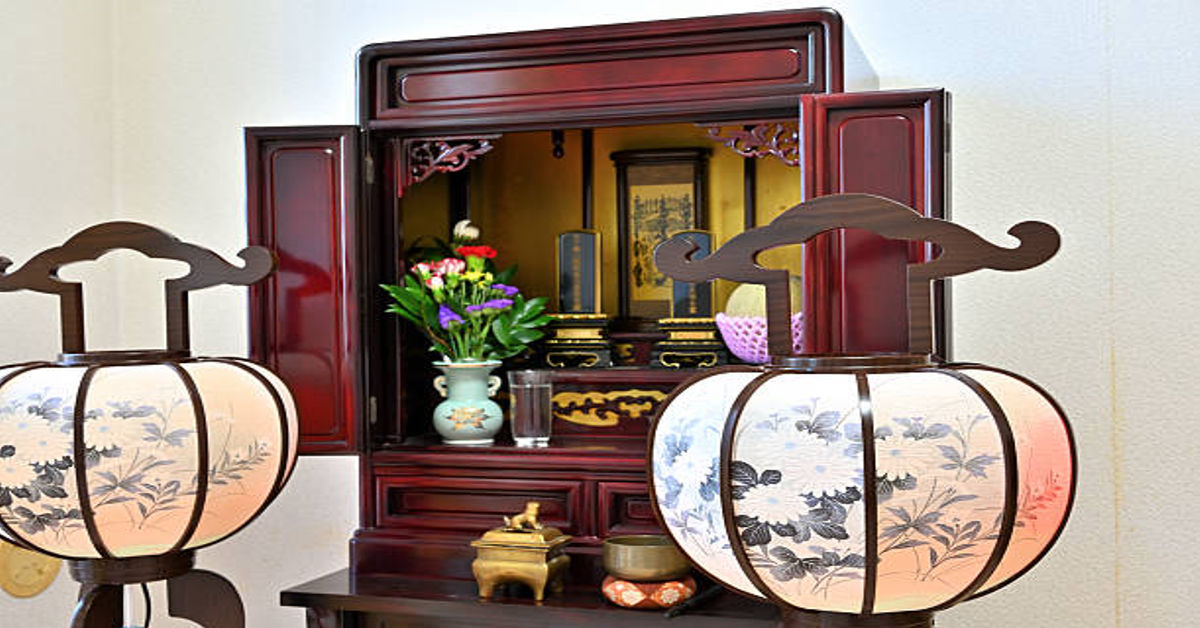
A Japanese antique home shrine is far more than a decorative object or collectible artifact. It represents centuries of spiritual practice, family tradition, artistic craftsmanship, and cultural continuity. In Japanese homes, shrines have historically served as intimate sacred spaces where daily life intersects with spirituality. Antique shrines, in particular, carry the marks of time, devotion, and human touch, making them powerful symbols of continuity between generations. Understanding these shrines requires not only appreciation of their physical form but also insight into their spiritual role, historical evolution, and enduring relevance.
In traditional Japanese culture, spirituality was never confined to distant temples alone. Instead, sacredness was woven into everyday life, and the home shrine became a focal point of this integration. Whether dedicated to ancestral spirits, household deities, or Buddhist figures, these shrines embodied respect, gratitude, and mindfulness. Antique home shrines reflect an era when craftsmanship was guided by patience, reverence, and symbolic meaning rather than mass production. Each piece tells a story shaped by the beliefs and values of the household that once cared for it.
This article provides a comprehensive, original, and detailed exploration of Japanese antique home shrines. It covers their origins, types, spiritual significance, materials, craftsmanship, placement, rituals, preservation, and modern relevance. The aim is to offer a clear and informative understanding of why these shrines remain culturally and spiritually meaningful today.
Origins of Home Shrines in Japanese Culture
The tradition of home shrines in Japan developed alongside the evolution of religious practices, particularly Shinto and Buddhism. Rather than existing as competing belief systems, these traditions often blended harmoniously within Japanese households. As a result, many homes contained more than one shrine, each serving a distinct spiritual purpose.
Early Japanese spirituality emphasized reverence for nature, ancestors, and unseen forces believed to influence daily life. Over time, these beliefs became structured into ritual practices that could be observed at home. The home shrine emerged as a dedicated space where individuals and families could maintain a personal relationship with the spiritual world without traveling to temples or shrines daily.
Antique home shrines often date back to periods when extended families lived together, and spiritual continuity was passed from one generation to the next. These shrines were not purchased casually but were commissioned or carefully selected, reflecting both religious devotion and social status. Their presence in the home symbolized harmony between the physical and spiritual realms.
Spiritual Purpose of a Japanese Home Shrine
The primary purpose of a Japanese home shrine is to serve as a sacred focal point for prayer, reflection, and remembrance. Unlike public temples, which are communal and ceremonial, home shrines are intimate and deeply personal. They allow individuals to engage in spiritual practice as part of daily life rather than as a separate event.
For many families, the shrine was a place to honor ancestors, expressing gratitude for protection, guidance, and blessings. Offerings such as rice, water, incense, or flowers were made regularly as acts of respect rather than obligation. These rituals reinforced values of humility, mindfulness, and continuity.
Antique home shrines often show signs of repeated use, such as worn surfaces, softened edges, or traces of incense smoke. These marks are not flaws but evidence of devotion. They reflect the idea that spiritual objects gain value through use, care, and intention rather than remaining untouched.
Types of Japanese Antique Home Shrines
Japanese antique home shrines generally fall into two main categories, each associated with a distinct spiritual tradition. Understanding these types helps clarify their design, symbolism, and function.
Buddhist Home Shrines
Buddhist home shrines were used for prayer, meditation, and ancestor veneration. These shrines often housed statues or scrolls depicting Buddhist figures and were central to daily rituals. They emphasized reflection, impermanence, and compassion.
Buddhist shrines were commonly placed indoors and treated as sacred furniture. They were opened during prayer and closed afterward, symbolizing respect and containment of spiritual presence.
Shinto Home Shrines
Shinto home shrines were dedicated to kami, or spiritual entities associated with nature, ancestors, or protective forces. These shrines emphasized purity, harmony, and gratitude rather than doctrine or scripture.
Shinto shrines were often simpler in appearance but rich in symbolic detail. They served as a reminder of the interconnectedness between humans and the natural world.
Structural Differences Between Shrine Types
| Feature | Buddhist Home Shrine | Shinto Home Shrine |
|---|---|---|
| Primary Focus | Buddhas and ancestors | Kami and protection |
| Visual Style | Ornate, enclosed | Minimal, open |
| Placement | Indoors, quiet space | Elevated, clean area |
| Ritual Items | Incense, candles | Rice, salt, water |
| Symbolism | Enlightenment, compassion | Purity, harmony |
This distinction highlights how design reflects spiritual philosophy rather than mere aesthetics.
Materials and Craftsmanship
Antique Japanese home shrines are renowned for their craftsmanship. Skilled artisans used traditional techniques passed down through generations, ensuring durability and symbolic integrity. The materials chosen were not arbitrary but carried cultural and spiritual significance.
Wood was the primary material, often sourced locally and selected for its grain, strength, and aging qualities. Certain woods were favored for their resistance to insects and humidity, ensuring longevity. Over time, natural aging enhanced the shrine’s character, giving antique pieces a depth and warmth that modern replicas often lack.
Metal fittings, lacquer finishes, and hand-carved details were added with precision and restraint. Rather than overwhelming decoration, artisans focused on balance and proportion. Even the smallest elements were crafted to align with spiritual symbolism, reinforcing the shrine’s purpose.
Symbolism Embedded in Design
Every aspect of a Japanese antique home shrine carries meaning. Doors symbolize transition between worlds, shelves represent hierarchical respect, and symmetrical elements reflect harmony. Decorative motifs often reference nature, such as clouds, flowers, or waves, reinforcing the connection between the spiritual and natural realms.
The interior layout was designed to guide attention inward, encouraging focus and contemplation. Light, shadow, and spatial arrangement played subtle roles in creating an atmosphere conducive to prayer.
Antique shrines often reveal layers of symbolism that become more apparent over time. This depth contributes to their enduring appeal and spiritual resonance.
Placement Within the Home
Proper placement of a home shrine was considered essential. It was typically positioned in a quiet, clean area away from direct foot traffic. Elevation was important, symbolizing respect and separation from mundane activities.
The shrine’s orientation often followed traditional guidelines, aligning with natural light or symbolic directions. These considerations reinforced the idea that the shrine was an active spiritual presence rather than a static object.
In antique homes, placement was also influenced by architectural features, such as alcoves designed specifically for sacred objects. These integrated spaces highlight how spirituality was embedded in domestic design.
Daily Rituals and Practices
Daily interaction with the home shrine was simple yet meaningful. Rituals were not elaborate but focused on consistency and intention. Family members might bow, clap, light incense, or offer food as expressions of gratitude.
These practices created a rhythm of mindfulness within the household. They encouraged reflection, respect, and emotional grounding. Antique shrines often bear evidence of these rituals, reinforcing their role as living spiritual tools rather than decorative relics.
Antique Shrines as Family Heirlooms
Many Japanese antique home shrines were passed down through generations, accumulating emotional and spiritual significance. As family heirlooms, they represented continuity, memory, and identity. Caring for the shrine was both a responsibility and an honor.
These heirloom shrines often carry unique modifications or repairs made by family members, adding to their personal history. Such features distinguish genuine antique pieces from later reproductions.
Preservation and Care of Antique Home Shrines
Preserving an antique home shrine requires sensitivity and respect. Over-cleaning or aggressive restoration can diminish its historical and spiritual value. Gentle cleaning, controlled humidity, and mindful handling help maintain the shrine’s integrity.
It is important to recognize that signs of age are not defects. Patina, minor wear, and fading contribute to the shrine’s authenticity and story. Preservation focuses on stability rather than perfection.
Comparison: Antique vs Modern Home Shrines
| Aspect | Antique Shrine | Modern Shrine |
|---|---|---|
| Craftsmanship | Handcrafted | Machine-assisted |
| Materials | Natural, aged | Processed, new |
| Symbolic Depth | High | Moderate |
| Emotional Value | Inherited, personal | Purchased |
| Cultural Authenticity | Strong | Variable |
This comparison illustrates why antique shrines hold unique appeal for collectors and practitioners alike.
Modern Relevance of Japanese Antique Home Shrines
Despite changes in lifestyle and housing, Japanese antique home shrines continue to hold relevance. They offer a tangible connection to tradition in an increasingly fast-paced world. For some, they serve as active spiritual tools; for others, they represent cultural heritage and artistic excellence.
In modern contexts, antique shrines are often appreciated for their craftsmanship and symbolism even when used differently from their original purpose. Their presence encourages reflection, intentionality, and respect for tradition.
Ethical Considerations and Respectful Use
Owning or displaying an antique home shrine carries ethical responsibility. These objects were created for spiritual use, and respectful handling honors their original purpose. Understanding their cultural context helps prevent misuse or misrepresentation.
Even when used primarily as cultural artifacts, acknowledging their sacred origins preserves their dignity and meaning.
Frequently Asked Questions
What is a Japanese antique home shrine?
It is a traditional household shrine used for spiritual practice, ancestor remembrance, and daily rituals in Japanese culture.
How old are antique home shrines typically?
Antique shrines often date back several decades or centuries, depending on craftsmanship and historical context.
Are antique home shrines still used today?
Yes, some families continue to use them spiritually, while others preserve them as cultural or artistic heritage.
What materials are commonly used in antique shrines?
They are primarily made of wood, with hand-carved details, lacquer finishes, and metal fittings.
How should an antique home shrine be cared for?
Care involves gentle cleaning, stable environmental conditions, and respectful handling without excessive restoration.