
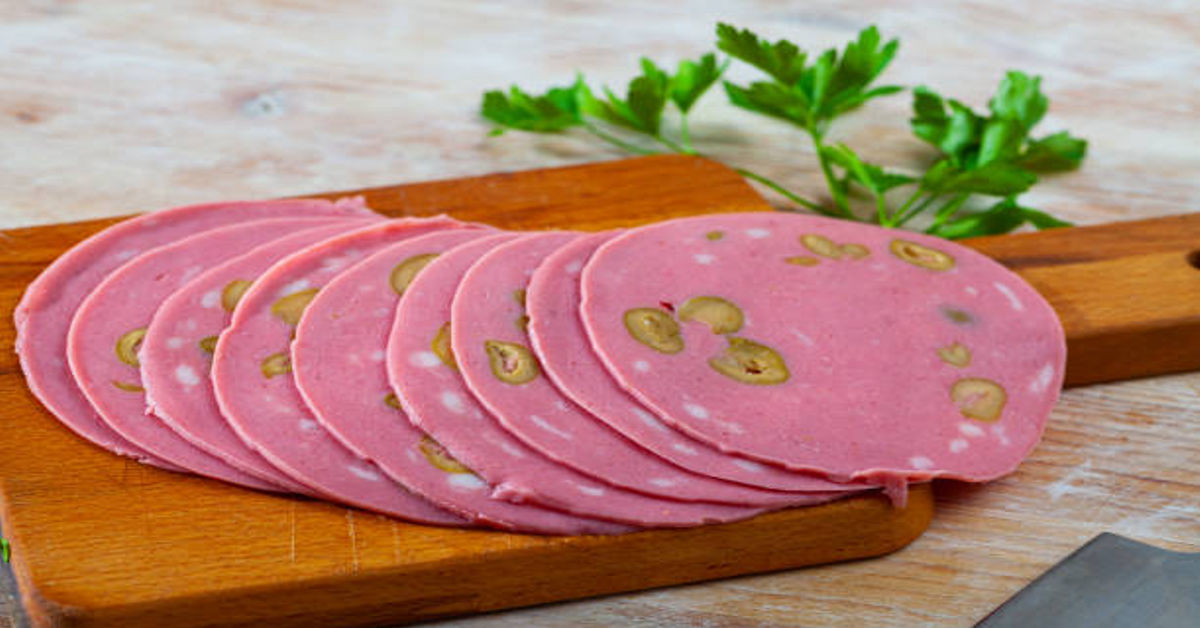
Mortadella is one of the most distinctive and historically rich cured meats in the world, known for its smooth texture, delicate aroma, and recognizable white cubes of fat embedded within a pink interior. Often misunderstood or confused with other deli meats, mortadella holds a unique place in culinary traditions and continues to influence modern cooking far beyond its place of origin. Appreciated both as a simple sliced meat and as a refined ingredient in complex dishes, mortadella represents a balance between craftsmanship, flavor, and cultural heritage.
This article explores mortadella in depth, covering its origins, how it is made, what gives it its unique taste, its nutritional profile, culinary applications, storage practices, and how it compares to similar products. The aim is to provide a complete and practical understanding of mortadella using clear, original explanations without relying on external sources.
The Origins and Historical Significance of Mortadella
Mortadella has a long history rooted in traditional meat preservation practices. It was originally developed as a way to preserve pork using salt, spices, and careful cooking techniques. Over time, these methods evolved into a refined process that emphasized flavor consistency, texture, and visual appeal.
Historically, mortadella was considered a luxury food due to the quality of meat required and the time-intensive preparation process. Skilled producers carefully selected pork cuts and seasoning blends, creating a product that stood out for its smoothness and aromatic profile. As trade and culinary exchange expanded, mortadella gained recognition beyond its regional origins and became a symbol of artisanal meat production.
Despite industrialization, traditional mortadella-making principles remain influential today. Authentic preparation emphasizes balance, precision, and respect for ingredients, reflecting centuries of culinary knowledge passed down through generations.
What Mortadella Is Made Of
Mortadella is primarily made from finely ground pork, combined with cubes of pork fat that give it its signature appearance and mouthfeel. The meat is seasoned with salt and a carefully selected blend of spices that enhance flavor without overpowering the natural taste of the pork.
One of the defining characteristics of mortadella is its emulsified texture. The pork is ground to a very fine consistency, almost paste-like, which creates a smooth and uniform slice once cooked. The fat cubes remain intact during processing, creating contrast in texture and contributing richness.
Traditional seasoning often includes mild spices that provide subtle warmth and aroma rather than intense heat. The goal is harmony rather than dominance, allowing each component to contribute to the overall experience.
The Mortadella Production Process
The production of mortadella involves several carefully controlled steps that ensure consistency, safety, and quality. Each stage plays a critical role in developing the final product’s texture and flavor.
First, high-quality pork is selected and trimmed to remove excess connective tissue. The meat is then finely ground and mixed with salt and spices. This mixture is emulsified until it reaches a smooth, uniform consistency. Cubes of pork fat are then gently folded into the mixture to maintain their shape.
Next, the mixture is stuffed into large casings, which give mortadella its characteristic cylindrical form. Unlike many cured meats, mortadella is cooked rather than air-dried. The cooking process occurs slowly at controlled temperatures, allowing the meat to set evenly without drying out.
After cooking, mortadella is cooled gradually to preserve texture and prevent moisture loss. The result is a fully cooked, ready-to-eat meat with a delicate balance of flavor and tenderness.
Flavor Profile and Texture
Mortadella is known for its mild, slightly savory flavor that is rich without being heavy. The fine grinding of the meat creates a creamy texture that melts easily in the mouth, while the fat cubes provide bursts of richness and moisture.
Unlike heavily spiced or smoked meats, mortadella’s flavor is subtle and refined. This makes it highly versatile in cooking and suitable for pairing with a wide range of ingredients. Its aroma is gentle, with hints of seasoning that enhance rather than dominate.
The texture is one of mortadella’s most distinguishing features. Smooth, cohesive, and tender, it differs significantly from coarse sausages or dry cured meats. This texture is a direct result of the emulsification and cooking process.
Nutritional Profile of Mortadella
Mortadella provides a combination of protein, fats, and essential nutrients. While it is considered a processed meat, understanding its nutritional composition helps consumers make informed dietary choices.
| Nutrient | Approximate Role in Diet |
|---|---|
| Protein | Supports muscle and tissue repair |
| Fats | Provides energy and satiety |
| Sodium | Enhances flavor, requires moderation |
| Vitamins | Contains B vitamins from pork |
| Minerals | Supplies iron and zinc |
Mortadella is relatively high in fat compared to lean meats, which contributes to its rich flavor and texture. It also contains sodium, which is essential for preservation and taste but should be consumed in moderation. When enjoyed as part of a balanced diet, mortadella can fit into a variety of eating patterns.
Mortadella in Culinary Traditions
Mortadella plays an important role in traditional cuisine, where it is often enjoyed in simple preparations that highlight its natural qualities. Sliced thinly, it is commonly served with bread, cheese, or vegetables. These combinations emphasize balance rather than complexity.
In more elaborate dishes, mortadella is used as an ingredient that adds depth and richness. It can be incorporated into fillings, sauces, or layered dishes where its smooth texture blends seamlessly with other components. Its mild flavor allows it to complement both savory and slightly sweet elements.
The versatility of mortadella makes it suitable for both casual meals and refined presentations. Its ability to adapt to different culinary contexts is a key reason for its enduring popularity.
Modern Uses and Creative Applications
In contemporary cooking, mortadella has experienced renewed interest as chefs explore traditional ingredients in innovative ways. Its smooth texture makes it ideal for mousses, spreads, and emulsified preparations. When lightly heated, mortadella releases aromatic oils that enhance sauces and fillings.
Mortadella is also used in fusion dishes, where it bridges classic and modern flavors. Its subtle taste allows it to pair well with herbs, nuts, cheeses, and even certain fruits. These creative applications demonstrate how a traditional product can remain relevant in modern cuisine.
Mortadella Compared to Similar Meats
Mortadella is often compared to other deli meats, but its production and characteristics set it apart. Understanding these differences helps clarify its unique identity.
| Meat | Key Difference from Mortadella |
|---|---|
| Bologna | Finer seasoning, often more uniform |
| Ham | Whole muscle, not emulsified |
| Salami | Air-dried, coarser texture |
| Sausage | Usually uncooked or smoked |
While some meats may appear similar at a glance, mortadella’s emulsified texture, cooking method, and flavor profile make it distinct. These qualities define how it is used and enjoyed.
Storage and Shelf Life
Proper storage is essential to maintain mortadella’s quality and safety. Once sliced, it should be kept refrigerated in airtight packaging to prevent moisture loss and contamination. Whole pieces last longer than pre-sliced portions due to reduced surface exposure.
Mortadella should be consumed within a reasonable timeframe to enjoy its optimal flavor and texture. Freezing is possible but may alter texture slightly, making refrigeration the preferred storage method.
Serving Suggestions and Pairings
Mortadella pairs well with a wide variety of foods due to its mild flavor. It complements crusty bread, soft cheeses, fresh greens, and lightly dressed vegetables. These pairings highlight its richness without overwhelming the palate.
In warm dishes, mortadella can be lightly sautéed or baked, releasing its aroma and enhancing overall flavor. Care should be taken not to overcook it, as excessive heat can cause fat loss and dryness.
Health Considerations and Moderation
While mortadella offers protein and essential nutrients, it should be enjoyed in moderation due to its fat and sodium content. Balancing it with fresh vegetables, whole grains, and other nutrient-dense foods helps create well-rounded meals.
Understanding portion sizes and frequency of consumption allows individuals to enjoy mortadella as part of a healthy lifestyle without excess.
Cultural Importance and Global Recognition
Mortadella’s cultural significance extends beyond its role as food. It represents a tradition of craftsmanship and regional identity. Its recognition across different cultures highlights the universal appeal of well-made, flavorful ingredients.
As global interest in traditional foods continues to grow, mortadella remains a symbol of how heritage products can thrive in modern culinary landscapes.
Frequently Asked Questions
What makes mortadella different from other deli meats?
Its finely emulsified texture, cooked preparation, and embedded fat cubes distinguish it from other meats.
Is mortadella eaten raw or cooked?
Mortadella is fully cooked during production and ready to eat without additional cooking.
Can mortadella be used in hot dishes?
Yes, it can be lightly heated or incorporated into cooked recipes, enhancing flavor and texture.
Is mortadella healthy?
It provides protein and nutrients but should be consumed in moderation due to fat and sodium content.
How should mortadella be stored?
It should be refrigerated in airtight packaging and consumed within a reasonable time for best quality.