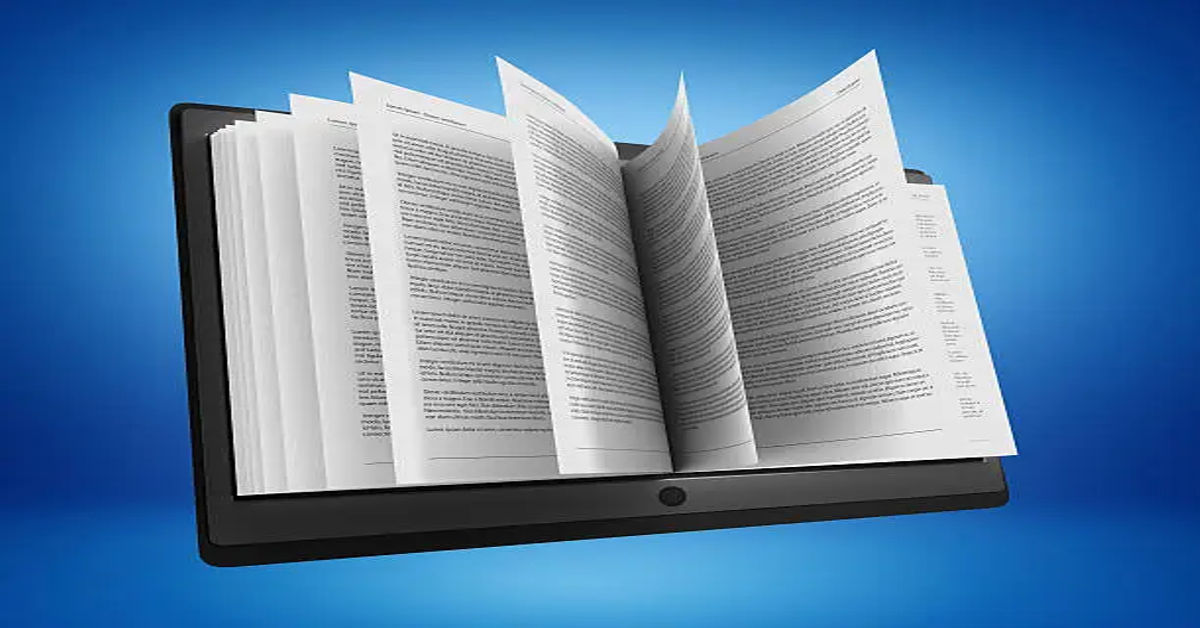
In the modern digital age, the way people read books has changed dramatically. Physical libraries and bookstores are no longer the sole gateways to knowledge, literature, and learning. Instead, digital formats such as PDFs and eBooks have become widely used because of their convenience, portability, and instant availability. Within this evolving reading culture, the keyword OceanofPDF frequently appears in online searches, discussions, and recommendations. To understand what OceanofPDF represents, it is essential to examine not just the name itself, but also the broader digital reading ecosystem, user motivations, ethical considerations, and long-term impacts on authors, readers, and the publishing industry.
OceanofPDF is commonly associated with the idea of accessing books in PDF format through the internet. The name itself suggests abundance and vastness, implying a large collection of digital reading material. However, the significance of OceanofPDF goes beyond the surface-level promise of free or easy access. It reflects deeper questions about how knowledge is distributed, how readers value content, and how technology continues to reshape traditional models of publishing and education.
This article offers a comprehensive, original, and informative discussion of OceanofPDF, written entirely in original words and structured to provide clarity, depth, and balanced understanding. Rather than relying on external sources, the focus here is on logical analysis, digital literacy, and the broader implications of digital book platforms in today’s world.
Understanding the Concept Behind OceanofPDF
At its core, OceanofPDF represents the concept of digital book repositories that focus primarily on PDF-format books. The PDF format has become popular because it preserves layout, formatting, and structure across devices, making it suitable for textbooks, novels, academic works, and instructional materials. OceanofPDF, as a keyword, symbolizes platforms or collections that aim to provide readers with a wide variety of books in this format.
The appeal of such a concept is easy to understand. Readers can access books instantly without waiting for shipping, visiting a physical library, or carrying heavy volumes. For students, professionals, and casual readers alike, digital PDFs offer flexibility. A single device can hold hundreds or thousands of books, enabling reading anytime and anywhere. OceanofPDF fits naturally into this demand-driven environment, where convenience often outweighs traditional reading habits.
However, understanding OceanofPDF also requires recognizing that not all digital book access models operate under the same principles. Some platforms prioritize legality, licensing, and author compensation, while others operate in more ambiguous spaces. This distinction plays a crucial role in shaping how readers should approach such resources.
Why Readers Are Drawn to OceanofPDF
The popularity of OceanofPDF as a search term reflects several underlying reader motivations. One of the strongest motivations is cost sensitivity. Books, especially academic textbooks and specialized publications, can be expensive. Students and self-learners often search for alternatives that reduce financial burden while still allowing access to information.
Another motivation is availability. In many regions, physical bookstores may not stock certain titles, or shipping costs may be prohibitive. Digital access removes geographical barriers, making it possible for readers in remote or underserved areas to explore a wider range of literature. OceanofPDF, as a concept, appeals to readers who feel limited by local availability.
Convenience also plays a significant role. Digital PDFs allow readers to search text, highlight passages, add notes, and switch between devices seamlessly. These features enhance productivity and learning efficiency, particularly for academic and professional use. When readers associate OceanofPDF with a large, searchable collection, the appeal becomes even stronger.
The Role of PDFs in Modern Reading Habits
The PDF format itself deserves attention when discussing OceanofPDF. Unlike some eBook formats that require specific applications or devices, PDFs are widely supported across operating systems and platforms. This universality contributes to their popularity and explains why many readers prefer PDFs for long-term storage and reference.
PDFs also maintain consistent formatting, which is particularly important for textbooks, research papers, and illustrated works. Charts, tables, diagrams, and page layouts remain intact, ensuring that the reading experience closely resembles the original printed version. For students and professionals, this consistency can be essential for understanding complex material.
However, the same qualities that make PDFs appealing also make them easy to share and distribute, which introduces challenges related to copyright, licensing, and content control. OceanofPDF exists at the intersection of these benefits and challenges, highlighting the tension between accessibility and intellectual property protection.
Ethical Considerations in Digital Book Access
One of the most important aspects of discussing OceanofPDF is the ethical dimension. Books are the result of significant intellectual, creative, and financial investment. Authors, editors, designers, and publishers all contribute to the creation of a finished work. When books are distributed without proper authorization, it can undermine this ecosystem.
Ethical reading does not necessarily mean rejecting digital access altogether. Instead, it involves understanding how content is sourced and whether creators are fairly compensated. Many legitimate platforms offer free books legally, including public domain works, open educational resources, and author-promoted samples. The challenge arises when readers cannot easily distinguish between authorized and unauthorized distribution.
OceanofPDF, as a keyword, often prompts discussions about these ethical boundaries. Readers may not always intend to bypass author rights; in many cases, they are simply unaware of the implications. Increasing digital literacy and awareness can help readers make informed decisions that balance convenience with respect for creative labor.
Legal Awareness and User Responsibility
Closely related to ethics is the issue of legality. Copyright laws exist to protect intellectual property and ensure that creators benefit from their work. While laws vary by country, the general principle remains consistent: distributing or accessing copyrighted material without permission can have legal consequences.
From a user perspective, responsibility begins with awareness. Understanding that not all freely available PDFs are legally shared is an important step. Users should also recognize that legal alternatives exist, such as libraries with digital lending services, subscription-based eBook platforms, and author websites offering free or discounted content.
OceanofPDF highlights the need for users to develop critical evaluation skills. Rather than assuming that availability equals permission, readers should consider the source, purpose, and legitimacy of digital book platforms.
Comparison of Digital Book Access Models
To better understand where OceanofPDF fits within the broader landscape, it is helpful to compare different digital book access models.
| Access Model | Cost to Reader | Legality | Content Variety | Sustainability |
|---|---|---|---|---|
| Physical Libraries | Free or low | Fully legal | Moderate | High |
| Official eBook Stores | Paid | Fully legal | High | High |
| Subscription Platforms | Monthly fee | Fully legal | High | Medium |
| Open Access Resources | Free | Legal | Limited | Medium |
| Unofficial PDF Collections | Free | Often unclear | High | Low |
This table illustrates that while unofficial PDF collections may appear attractive due to cost and variety, they often lack long-term sustainability and legal clarity. OceanofPDF sits within this context as a symbol of abundance, but also as a reminder of the trade-offs involved.
Impact on Authors and the Publishing Industry
The rise of digital book sharing platforms has had a complex impact on authors and publishers. On one hand, digital access can increase visibility, allowing new readers to discover authors they might not encounter otherwise. On the other hand, widespread unauthorized distribution can reduce sales, making it harder for authors to sustain their careers.
For independent authors and small publishers, this impact can be particularly significant. Without the financial backing of large publishing houses, they rely heavily on direct sales and fair distribution. When readers choose unauthorized sources, it can limit the resources available for future projects.
OceanofPDF, as a widely recognized keyword, reflects this tension between exposure and compensation. Addressing this challenge requires collaboration between readers, creators, and platforms to develop models that support both accessibility and sustainability.
Educational Use and Academic Perspectives
In academic settings, access to reading material is essential for learning and research. Students often face high textbook costs, which can create barriers to education. As a result, many students turn to digital PDFs in search of affordable alternatives.
While the motivation is understandable, institutions increasingly emphasize the importance of using licensed resources. Many universities provide access to digital libraries, academic databases, and open-access journals that offer legal and reliable content. Encouraging students to use these resources can reduce reliance on questionable sources while still meeting educational needs.
OceanofPDF underscores the importance of institutional support for digital learning. When legitimate resources are accessible and well-promoted, students are less likely to seek unauthorized alternatives.
Digital Literacy and Informed Reading Choices
Digital literacy plays a central role in how readers interact with platforms like OceanofPDF. Being digitally literate means more than knowing how to download a file; it involves understanding sources, evaluating credibility, and recognizing potential risks.
Risks associated with unofficial PDF platforms can include malware, misleading advertisements, and privacy concerns. Users may unknowingly expose their devices or personal information when accessing unverified sources. Developing the habit of cautious browsing and critical evaluation can help mitigate these risks.
Informed reading choices empower users to enjoy the benefits of digital access while minimizing negative consequences. OceanofPDF, as a concept, serves as a case study in why such literacy is increasingly important.
The Future of Digital Reading Platforms
The future of digital reading is likely to involve continued innovation and experimentation. As technology advances, new models for content distribution may emerge that combine accessibility with fair compensation. These could include subscription bundles, micro-payments, community-supported publishing, or expanded open-access initiatives.
OceanofPDF reflects a current stage in this evolution, where demand for access outpaces the availability of affordable, legal options. As the industry adapts, the gap that such platforms fill may narrow, reducing reliance on unofficial sources.
Ultimately, the future will depend on collaboration among readers, authors, publishers, and technology providers. By recognizing the needs and challenges of each group, more balanced and sustainable solutions can be developed.
Conclusion
OceanofPDF represents more than a simple keyword; it symbolizes the broader challenges and opportunities of digital reading in the modern world. As access to information becomes easier, questions of ethics, legality, and sustainability grow more complex. Understanding these dimensions allows readers to make informed choices that respect both their own needs and the creative efforts of authors.
By approaching digital books with awareness and responsibility, readers can enjoy the benefits of technology while contributing to a healthier and more sustainable reading culture. OceanofPDF, in this sense, serves as a reminder that abundance alone is not enough; thoughtful engagement is what truly enriches the digital reading experience.
Frequently Asked Questions
What is OceanofPDF commonly associated with?
OceanofPDF is commonly associated with accessing books in PDF format through online collections or repositories.
Why do people search for OceanofPDF?
Readers often search for OceanofPDF due to cost concerns, convenience, and the desire for easy access to digital books.
Is using PDF book platforms always illegal?
Not always. Many PDFs are legally shared, such as public domain works and open-access resources, but users must verify sources.
What are the risks of unofficial PDF book sites?
Risks can include legal issues, malware exposure, privacy concerns, and unreliable content quality.
How can readers access books responsibly online?
By using libraries, official eBook platforms, open-access resources, and author-supported distribution channels.