
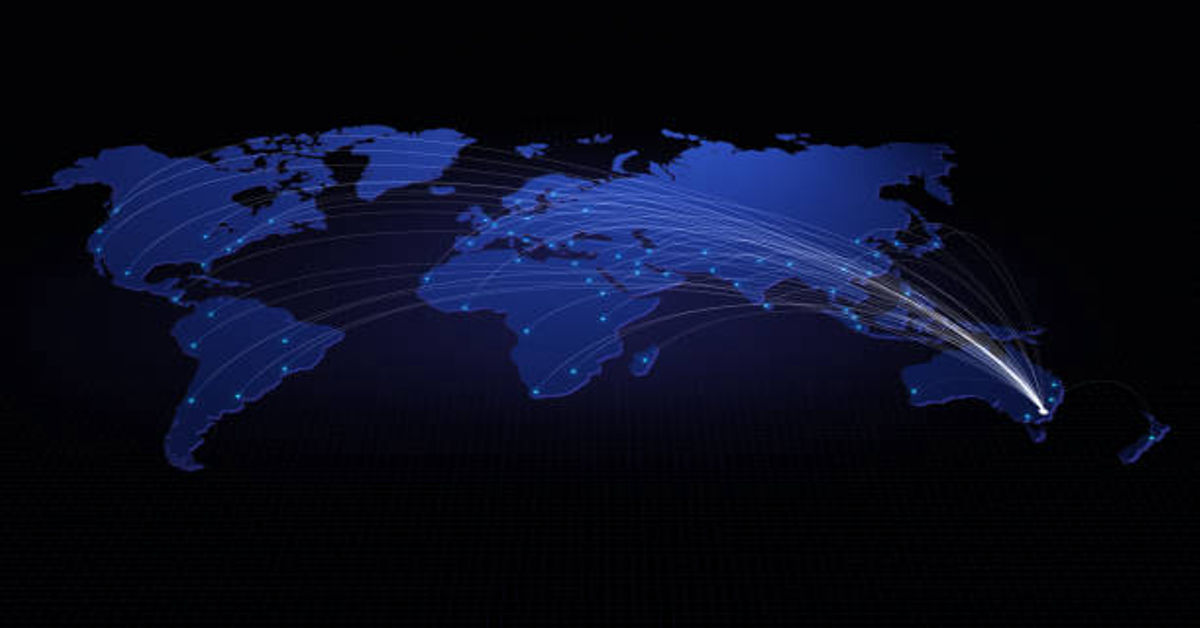
OSM Worldwide refers to the global ecosystem built around OpenStreetMap, a collaborative mapping initiative created and maintained by people across the world. At its heart, OSM Worldwide represents a shared belief that geographic data should be open, accessible, and shaped by the communities who live in the places being mapped. Unlike traditional mapping systems that rely on centralized authorities or commercial data collection, OSM Worldwide thrives on voluntary contributions, local knowledge, and transparent data practices.
The idea behind OSM Worldwide is simple yet powerful: anyone can contribute to creating a free and editable map of the world. This openness has transformed how geographic information is created, shared, and used. From city streets and rural paths to humanitarian response zones and environmental features, OSM Worldwide reflects the lived realities of people on the ground rather than a distant, one-size-fits-all perspective.
Understanding OSM Worldwide means understanding how collaboration, technology, and community-driven values intersect to build one of the most detailed and adaptable geographic datasets ever created. This article explores the origins, structure, applications, challenges, and future of OSM Worldwide in depth.
The Origins and Vision Behind OSM Worldwide
OSM Worldwide began with a vision to democratize mapping. Traditional maps were often expensive, restricted, or outdated, limiting who could access or improve them. The founders of the movement believed that maps should be treated as shared knowledge rather than proprietary assets.
From the beginning, the vision extended beyond a single country or region. The goal was global coverage driven by local contributors. This global ambition is what gives meaning to the term OSM Worldwide. It is not merely a project operating in many places but a network of communities working together across borders.
The early days involved technical experimentation and community building. Contributors learned how to collect data using basic tools and share it openly. Over time, as technology improved and participation grew, the map expanded rapidly, covering cities, villages, and remote areas that were often ignored by commercial providers.
How OSM Worldwide Operates as a Global Community
OSM Worldwide is not a single organization controlling all activity. Instead, it functions as a decentralized network of contributors, local groups, developers, educators, and users. Anyone with interest and access can participate, making the community diverse in skills, languages, and perspectives.
Local communities play a crucial role. Contributors who live in an area often have the most accurate knowledge of roads, landmarks, and changes. This local insight ensures that the map reflects reality rather than assumptions. At the same time, global collaboration allows knowledge and tools to be shared widely.
Communication within OSM Worldwide happens through online platforms, forums, events, and local meetups. These spaces allow contributors to discuss standards, solve problems, and support one another. The sense of shared ownership fosters long-term engagement and trust.
Data Collection and Contribution Methods
One of the defining features of OSM Worldwide is its flexible approach to data collection. Contributors can add information using various methods, depending on resources and context. These methods include on-the-ground surveying, aerial imagery tracing, GPS data collection, and local knowledge.
On-the-ground surveying involves physically observing and recording details such as road names, building types, and accessibility features. This method is particularly valuable for capturing nuanced information that may not be visible from above.
Remote mapping allows contributors to trace features using satellite imagery. This approach enables participation from anywhere in the world and is especially useful during humanitarian responses when rapid mapping is needed.
Local knowledge contributions are equally important. People often add details based on their familiarity with an area, correcting errors or updating changes that technology alone cannot detect.
Data Structure and Mapping Standards
OSM Worldwide relies on a flexible yet structured data model. Geographic features are represented as points, lines, and areas, each tagged with descriptive information. This tagging system allows contributors to describe a wide range of real-world elements, from highways and rivers to schools and parks.
Standards emerge through community consensus rather than top-down enforcement. Contributors discuss and refine tagging practices to ensure consistency and usability. This collaborative approach allows the map to evolve as new needs and technologies arise.
The adaptability of the data structure is one reason OSM Worldwide supports such a wide variety of use cases. Users can extract specific types of information tailored to their applications.
Applications of OSM Worldwide Across Industries
The impact of OSM Worldwide extends far beyond casual map viewing. Its open data supports numerous industries and activities, demonstrating the practical value of community-driven mapping.
In transportation, OSM data is used for navigation, route planning, and traffic analysis. Because the data can be updated quickly, it often reflects changes faster than proprietary systems.
In urban planning, OSM Worldwide provides a foundation for analyzing infrastructure, land use, and accessibility. Planners can visualize patterns and identify gaps using openly available data.
Environmental monitoring also benefits from OSM Worldwide. Contributors map natural features such as forests, wetlands, and waterways, supporting conservation efforts and research.
Humanitarian and Disaster Response Mapping
One of the most impactful applications of OSM Worldwide is in humanitarian response. During natural disasters or crises, accurate maps can save lives. OSM Worldwide enables rapid collaboration between local mappers and global volunteers.
When disasters occur, contributors quickly update maps to show damaged infrastructure, temporary shelters, and accessible routes. This information helps responders navigate affected areas and allocate resources effectively.
The open nature of OSM Worldwide allows humanitarian organizations to access and use data without licensing barriers. This accessibility is critical in emergency situations where time and resources are limited.
Education and Capacity Building Through OSM Worldwide
Education is a key component of the OSM Worldwide ecosystem. Many contributors learn mapping skills, geographic concepts, and digital literacy through participation. Workshops, tutorials, and community events help newcomers get involved.
OSM Worldwide also supports educational institutions. Teachers use mapping projects to engage students in geography, data analysis, and civic participation. Students gain practical skills while contributing to a global resource.
Capacity building extends to underserved regions, where local mapping initiatives empower communities to represent themselves. This empowerment strengthens local resilience and visibility.
Economic Value and Innovation
Although OSM Worldwide is based on open data, it generates significant economic value. Businesses use OSM data to build services, applications, and analyses. Startups benefit from reduced costs and increased flexibility.
Innovation thrives because developers can experiment without restrictive licenses. This freedom encourages creative solutions and rapid iteration. OSM Worldwide thus supports an ecosystem of innovation that benefits both commercial and non-commercial users.
The economic impact is not limited to technology companies. Improved mapping supports tourism, logistics, agriculture, and many other sectors.
Governance and Decision-Making
OSM Worldwide relies on community governance rather than centralized control. Decisions about data standards, policies, and direction are made through discussion and consensus. This approach reflects the project’s core values of openness and participation.
Various working groups and local chapters help coordinate efforts and address specific issues. Transparency in decision-making builds trust and accountability.
Governance challenges do exist, particularly as the community grows and diversifies. Balancing inclusivity with efficiency requires ongoing dialogue and adaptation.
Challenges Faced by OSM Worldwide
Despite its successes, OSM Worldwide faces several challenges. Data quality can vary depending on contributor experience and local participation. Ensuring accuracy requires ongoing review and collaboration.
Uneven global coverage is another challenge. Some regions are well-mapped, while others remain sparse due to limited resources or awareness. Addressing this imbalance is an ongoing priority.
Sustainability is also a concern. Maintaining infrastructure, supporting contributors, and adapting to technological change require continuous effort and funding.
Comparing OSM Worldwide With Traditional Mapping Models
| Aspect | OSM Worldwide | Traditional Mapping |
|---|---|---|
| Data Ownership | Community-owned | Proprietary |
| Update Speed | Rapid and flexible | Often slower |
| Accessibility | Free and open | Restricted |
| Local Knowledge | Strongly integrated | Limited |
| Adaptability | Highly flexible | Fixed standards |
This comparison highlights why OSM Worldwide has become a vital alternative in the mapping landscape.
Ethical Considerations and Data Responsibility
Ethics play an important role in OSM Worldwide. Contributors must consider privacy, safety, and potential misuse of data. Mapping sensitive locations requires careful judgment and community discussion.
Responsible mapping practices help ensure that open data benefits communities without causing harm. This ethical awareness strengthens the project’s credibility and social value.
Technological Evolution and Tools
Technology continuously shapes how OSM Worldwide operates. Mapping tools have become more user-friendly, lowering barriers to entry. Advances in imagery, mobile devices, and data processing enhance accuracy and efficiency.
At the same time, technology introduces complexity. Contributors must adapt to new tools and workflows while maintaining data consistency. OSM Worldwide’s adaptability has allowed it to evolve alongside technological change.
The Cultural Impact of OSM Worldwide
Beyond practical applications, OSM Worldwide has cultural significance. It represents a shift toward collaborative knowledge creation and shared responsibility. Contributors often feel a strong connection to the places they map.
This cultural aspect fosters pride, ownership, and global solidarity. Mapping becomes not just a technical task but a form of storytelling and representation.
The Future of OSM Worldwide
The future of OSM Worldwide lies in deeper integration with everyday life. As location-based services expand, open mapping will play an increasingly important role. Continued growth depends on attracting new contributors and supporting existing ones.
Emerging technologies such as automation and artificial intelligence may assist mapping, but human judgment and local knowledge will remain essential. The balance between automation and community input will shape future development.
OSM Worldwide is likely to continue influencing how societies think about data ownership, collaboration, and transparency.
Conclusion: The Lasting Significance of OSM Worldwide
OSM Worldwide stands as a remarkable example of what global collaboration can achieve. By combining local knowledge with open technology, it has created a living map that reflects the world as experienced by its people.
Its impact spans humanitarian aid, education, innovation, and cultural expression. While challenges remain, the core principles of openness, participation, and adaptability continue to guide its growth.
OSM Worldwide is more than a map. It is a shared commitment to understanding and representing our world together.
Frequently Asked Questions
What does OSM Worldwide mean
It refers to the global community and ecosystem built around the OpenStreetMap project.
Who can contribute to OSM Worldwide
Anyone with interest and access can contribute, regardless of location or background.
Is OSM Worldwide data free to use
Yes, the data is open and can be used under open licensing terms.
How is OSM Worldwide used in emergencies
It provides up-to-date maps that support navigation and resource allocation during disasters.
What makes OSM Worldwide different from commercial maps
It is community-driven, openly accessible, and continuously updated by local contributors.