
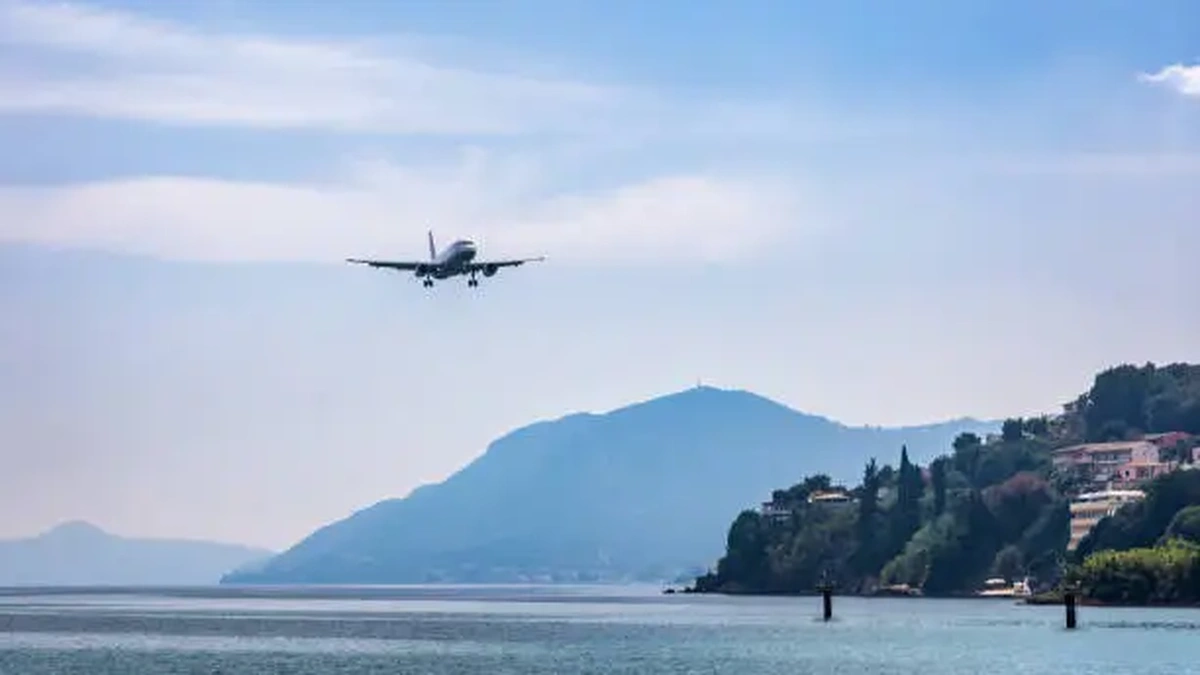
i have always found that understanding “ptiseis,” the Greek word for flights, opens a window into far more than airline schedules. It reveals how a country of mountains and islands stays connected, how tourism fuels an economy, and how aviation policy shapes everyday life. If you are searching for information about ptiseis, you likely want to know how flights operate in Greece, which airlines dominate the market, how airports function, and what the future holds for Greek aviation. This article answers those questions directly and then moves deeper into the cultural and economic layers behind them.
Flights in Greece are not simply transportation links. They are lifelines. With more than 200 inhabited islands and a coastline stretching roughly 13,000 kilometers, according to the Hellenic Statistical Authority, air travel is essential for mobility, commerce and emergency services. Athens International Airport serves as the primary gateway, while regional airports handle millions of seasonal passengers. In recent years, record-breaking tourism numbers have driven expansion, modernization and new environmental debates.
From the founding of Olympic Airways in 1957 to the rise of private carriers and international partnerships, Greek aviation reflects broader European trends. Today, ptiseis represent not just movement through airspace, but the pulse of a nation balancing tradition, economic necessity and global integration.
The Geography That Demands Flight
i often return to geography when explaining why aviation matters so much in Greece. The country’s terrain is fragmented by mountains and sea. Roads wind slowly through rugged landscapes, and ferries, while vital, depend on weather conditions. Flights provide speed and reliability.
Greece includes more than 6,000 islands and islets, about 227 of which are inhabited. Connecting these communities requires consistent air routes, particularly for medical transport and administrative access. On islands such as Rhodes, Crete and Corfu, airports are not luxuries. They are essential infrastructure.
This geographic complexity explains why even short domestic routes, such as Athens to Santorini, are economically viable. Air travel compresses distance, transforming what could be an eight-hour ferry journey into a 45-minute flight. Geography has made ptiseis indispensable.
Read: Delta Flight DL275 Diverted LAX: Inside the Mid-Pacific Engine Incident
A Brief History of Greek Aviation
i see the story of Greek aviation as one shaped by ambition and reinvention. Olympic Airways was founded in 1957 by shipping magnate Aristotle Onassis. For decades, it symbolized national pride, linking Greece to Europe, North America and Australia. However, financial struggles and European Union regulations eventually led to restructuring.
In 2009, Olympic Airways ceased operations in its original form and was succeeded by Olympic Air, later acquired by Aegean Airlines in 2013 after approval by the European Commission. Aegean Airlines, founded in 1987 and beginning scheduled services in 1999, emerged as the dominant Greek carrier.
Today, Aegean Airlines operates extensive domestic and European networks. The consolidation reflected broader European aviation trends, where legacy carriers faced liberalization and low-cost competition. Greek aviation survived by adapting.
Major Airports and Passenger Traffic
i have watched Athens International Airport evolve into a modern European hub. Officially opened in 2001 ahead of the 2004 Olympic Games, it replaced the older Ellinikon Airport. Since then, it has expanded capacity and improved services.
According to Athens International Airport statistics, passenger traffic surpassed 28 million in 2023, marking one of its strongest years since opening. Regional airports, including Thessaloniki, Heraklion and Rhodes, also recorded significant growth, particularly during summer.
| Airport | Location | 2023 Passenger Traffic | Primary Role |
|---|---|---|---|
| Athens International | Athens | 28+ million | Main international hub |
| Thessaloniki Airport | Northern Greece | 6+ million | Regional gateway |
| Heraklion Airport | Crete | 8+ million | Tourism hub |
| Rhodes Airport | Dodecanese | 5+ million | Island tourism |
These figures illustrate the scale of ptiseis in modern Greece. Air travel underpins the tourism economy.
Tourism and the Economy of Ptiseis
i believe tourism is the engine that powers Greek aviation. The Bank of Greece reported that travel receipts exceeded €20 billion in 2023, reflecting strong post-pandemic recovery. Airlines expanded routes to meet demand from Germany, the United Kingdom and the United States.
Seasonal fluctuations define the industry. Summer months see intense traffic, while winter routes contract. Airlines adjust capacity accordingly, balancing profitability with connectivity obligations.
The relationship between flights and tourism is symbiotic. Airports expand terminals. Airlines add destinations. Hotels grow capacity. Without ptiseis, the Greek tourism sector would not function at its current scale.
Low-Cost Carriers and Market Competition
i often hear travelers mention Ryanair and easyJet alongside Aegean Airlines. The entry of low-cost carriers transformed pricing structures. Since the early 2000s, budget airlines have increased competition, particularly on popular European routes.
Low-cost carriers emphasize secondary airports, quick turnaround times and ancillary revenue streams. Their presence pressures national airlines to innovate and maintain service quality. For passengers, competition means more options and lower fares.
This competitive landscape aligns Greece with broader European aviation trends following EU deregulation in the 1990s.
Environmental Considerations
i cannot discuss ptiseis without acknowledging environmental debates. Aviation contributes to carbon emissions. The European Environment Agency reports that aviation accounts for roughly 3 percent of total EU greenhouse gas emissions, though its climate impact is higher when accounting for non-CO2 effects.
Greece, as part of the EU Emissions Trading System, participates in carbon reduction measures. Airlines invest in more fuel-efficient aircraft such as the Airbus A320neo family, which reduces fuel burn compared to older models.
Sustainable aviation fuel remains limited but represents an emerging focus. The challenge lies in balancing economic reliance on tourism with climate commitments.
Timeline of Key Events in Greek Aviation
| Year | Event |
|---|---|
| 1957 | Olympic Airways founded |
| 1999 | Aegean Airlines begins scheduled services |
| 2001 | Athens International Airport opens |
| 2009 | Olympic Airways ceases operations |
| 2013 | Aegean Airlines acquires Olympic Air |
| 2023 | Record passenger recovery post-pandemic |
This timeline reflects resilience through transformation.
Expert Perspectives
“Geography makes aviation essential for Greece’s cohesion,” said an aviation policy researcher at a European transport forum.
An economist specializing in Mediterranean tourism noted that air connectivity directly correlates with regional development indicators in island economies.
A sustainability analyst observed that Mediterranean countries face disproportionate aviation pressure due to tourism intensity, requiring careful climate planning.
These perspectives underscore the complexity behind ptiseis.
Infrastructure Investment and Modernization
i find infrastructure investment particularly revealing. In 2017, Germany’s Fraport AG, through a concession agreement, began operating and upgrading 14 regional Greek airports. Renovations included runway improvements, terminal expansions and enhanced safety systems.
These investments aimed to modernize aging infrastructure and improve passenger experience. Upgrades positioned Greece to compete with other Mediterranean destinations.
The partnership sparked debate domestically, but it accelerated modernization timelines. Infrastructure shapes not only capacity but international perception.
The Future of Ptiseis
i sense that the future of flights in Greece will revolve around sustainability, digitalization and diversification. Airlines increasingly rely on digital booking systems and biometric security processes. Athens International Airport has implemented smart technologies to streamline passenger flow.
Long-haul connectivity to North America and the Middle East continues to expand. At the same time, environmental regulation will intensify. Greece must align with EU climate targets while preserving its tourism-driven economy.
The future of ptiseis is not simply about more routes. It is about smarter, cleaner, more resilient networks.
Takeaways
- Ptiseis are vital to Greece’s geographic cohesion and island connectivity.
- Tourism drives record passenger volumes and airline expansion.
- Aegean Airlines dominates after consolidation with Olympic Air.
- Low-cost carriers reshape pricing and competition.
- Environmental pressures demand sustainable aviation solutions.
- Infrastructure investment modernizes regional airports.
Conclusion
i see ptiseis as both practical necessity and symbol of modern Greece. Flights connect remote islands, sustain tourism, and integrate the nation into global networks. They also raise pressing questions about sustainability and economic dependence. Greek aviation has evolved from state-run prestige to competitive market dynamism. As passenger numbers grow and environmental concerns intensify, the challenge will be balance. The skies above the Aegean remain busy, but their future depends on careful navigation.
FAQs
What does ptiseis mean?
It is the Greek word for flights.
Which airline is the largest in Greece?
Aegean Airlines is the dominant carrier following its acquisition of Olympic Air.
How important is tourism to Greek aviation?
Tourism is the primary driver of passenger traffic and route expansion.
Are Greek airports modernized?
Yes. Many regional airports were upgraded through concession agreements beginning in 2017.
Is aviation environmentally regulated in Greece?
Yes. Greece participates in EU aviation emissions regulations.