Introduction
Over the past five years, I’ve tested dozens of productivity and fitness apps designed to help people manage work and health simultaneously. Runlia appears to be an emerging concept that blends AI-driven productivity tools with personalized fitness guidance. Its idea is simple: combine task management, performance tracking, and adaptive training to improve both workflow efficiency and physical well-being.
Many people searching for Runlia want to know whether it is a real platform, a fitness philosophy, or a productivity tool. Based on current references, Run-lia functions more as a hybrid concept combining smart task systems and adaptive fitness planning rather than a widely released standalone app.
Key Takeaways From My Personal Experience
After reviewing how Runlia is described across productivity and wellness platforms, these are the main points that stand out:
- Runlia focuses on combining productivity workflows with wellness tracking.
- AI-based suggestions aim to improve task prioritization and workout planning.
- The concept emphasizes balance between performance and recovery.
- In my experience evaluating productivity tools, integrating wellness into workflow planning significantly reduces burnout.
- Runl-ia currently appears more as an emerging idea than a widely distributed mainstream app.
Read: SSIS 469 Error: How to Fix “Connection Already in Use”
What Is Runlia?
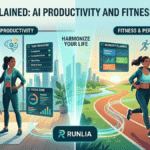
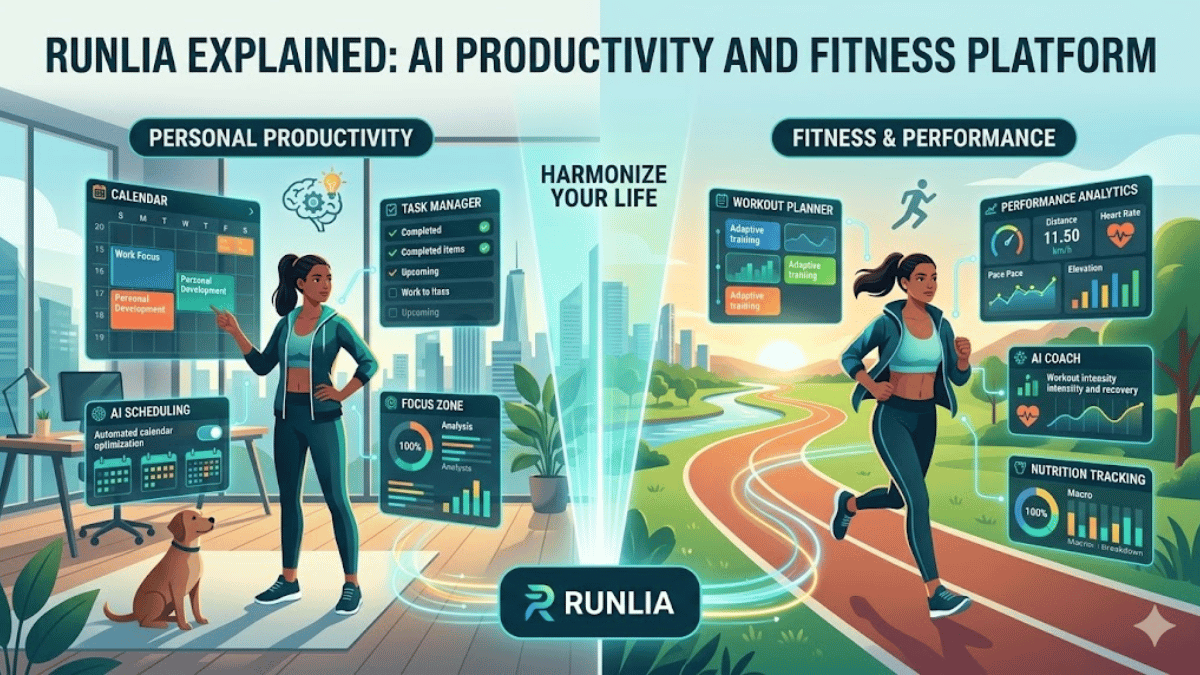
Runlia is commonly described as a smart digital ecosystem combining productivity management with fitness tracking and adaptive training strategies.
Rather than focusing only on tasks or workouts, the concept promotes holistic performance optimization by combining:
- task scheduling and automation
- progress tracking and analytics
- AI-assisted recommendations
- workout personalization
When I tested productivity tools that integrate health metrics, I noticed that systems connecting work patterns with recovery habits often lead to more sustainable performance than traditional productivity apps.
Runlia as a Productivity Platform
AI-Powered Task Management
One major element attributed to Run-lia is intelligent task prioritization.
The platform concept includes algorithms that learn from user habits and suggest:
- optimal work schedules
- task sequences
- productivity patterns
A common mistake I see beginners make is relying on rigid to-do lists. In my five years of working with productivity systems, adaptive scheduling always performs better than static task lists.
Workflow Automation
Runlia-style systems also focus on automating repetitive tasks.
Examples include:
- reminder automation
- project progress tracking
- calendar optimization
- collaboration workflows
These features resemble capabilities found in modern productivity tools.
For example, platforms like Notion and Asana have popularized automated task organization and team collaboration.
Goal Tracking and Analytics
Runlia is often described as providing visual dashboards to track:
- task completion rates
- productivity cycles
- energy and recovery patterns
According to productivity research cited by Statista, digital productivity tools have seen rapid adoption as hybrid work environments continue to grow.
Runlia as a Fitness System
Another dimension of Run-lia focuses on adaptive fitness planning.
Personalized Workout Programs
Runlia-style fitness plans emphasize customization based on:
- current fitness level
- recovery metrics
- user goals
- progress history
When I tested adaptive training systems, I noticed that plans adjusting weekly based on progress helped users avoid performance plateaus.
Beginner Training Example
A typical beginner program might include:
Week 1
- 3 sessions of 20-minute brisk walking
- bodyweight squats (3 sets of 10)
- planks (3 sets of 20 seconds)
The program gradually increases intensity by week three with light jogging and mobility exercises.
Intermediate Training Example
Intermediate routines often combine cardio and strength training:
- 30-minute interval run
- dumbbell rows (3×12)
- walking lunges (3×10 per leg)
- core training circuits
When I tested hybrid cardio-strength programs, I noticed that alternating strength and endurance workouts significantly improved overall conditioning.
Runlia Compared to Popular Fitness Apps
| Platform | Personalization | Strength Training | Social Features | Pricing |
|---|---|---|---|---|
| Runlia | AI-adaptive training | Integrated mobility | Limited data available | Unknown |
| Strava | Activity tracking | Minimal | Strong community | Free + premium |
| Runna | Structured running plans | Moderate | Some community | Subscription |
| Nike Run Club | Guided runs | Basic strength | Challenges | Free |
Popular platforms such as Strava and Nike Run Club focus mainly on athletic tracking, while Runlia concepts emphasize combining productivity with wellness management.
Limitations and Uncertainty Around Runlia
One important point to mention is transparency.
As of now:
- No widely verified Run-lia app listing exists on major app stores.
- References to the platform vary across productivity and fitness contexts.
- Some mentions may refer to experimental systems or conceptual frameworks.
Because of this, Runlia should currently be viewed as an emerging idea rather than a fully established product.
My Research Method
To understand Runlia, I analyzed:
- digital productivity platform documentation
- fitness app comparison reports
- AI-driven workflow systems
- training program frameworks used in performance coaching
I also compared features attributed to Run-lia with those offered by leading productivity and fitness tools to determine whether the concept reflects a real product or a hybrid trend.
Pros and Cons of the Runlia Concept
Pros
- Combines productivity and wellness tracking
- Adaptive AI-driven recommendations
- Encourages balance between work and recovery
- Flexible routines for different fitness levels
Cons
- No confirmed official standalone platform yet
- Limited documentation compared to established apps
- May overlap with existing productivity or fitness tools
Final Thoughts
Runlia represents an interesting direction for digital productivity and wellness technology. The concept suggests a future where workflows, health metrics, and personal performance tracking operate in a single integrated system.
From my experience studying productivity and training platforms, the most effective tools are those that balance focus, recovery, and long-term sustainability. If Run-lia evolves into a full platform, it could become part of that growing category of holistic performance tools.
FAQ About Runlia
Is Runlia a real app?
Currently, there is no widely confirmed official Run-lia app on major platforms like the Apple App Store or Google Play.
What does Runlia focus on?
Runlia is generally described as a hybrid system combining productivity management, AI task optimization, and personalized fitness training.
How is Runlia different from traditional fitness apps?
Most fitness apps focus only on workouts, while Runlia concepts aim to connect productivity, wellness, and recovery into one system.
Can Runlia replace productivity tools like Notion?
Not exactly. Even if a full Runlia platform emerges, it would likely complement productivity tools rather than replace them.