
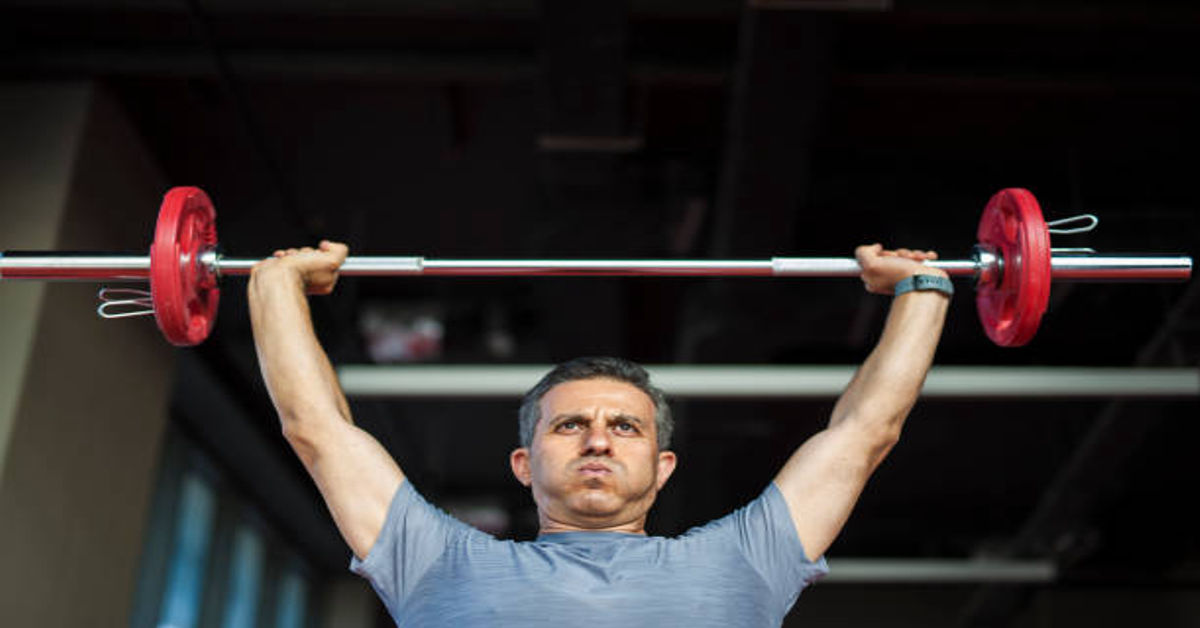
The shoulder press is one of the most effective and widely practiced strength training exercises in fitness and athletic conditioning. It is a foundational movement that develops upper-body strength, improves shoulder stability, and enhances overall functional performance. Whether performed with dumbbells, barbells, machines, or kettlebells, the shoulder press plays a critical role in building strong, resilient shoulders while also engaging multiple supporting muscle groups. Understanding how this exercise works, how to perform it correctly, and how to integrate it into a balanced training program is essential for anyone serious about long-term strength and health.
The shoulder press is classified as a compound exercise, meaning it involves movement at more than one joint and recruits multiple muscles simultaneously. Unlike isolation exercises that target a single muscle, the shoulder press challenges the entire upper body and core to work together. This makes it particularly valuable for athletes, fitness enthusiasts, and individuals looking to improve daily functional movements such as lifting objects overhead or maintaining proper posture.
Understanding the Shoulder Press Movement
At its core, the shoulder press involves pressing a weight vertically overhead from shoulder level until the arms are fully extended. The primary movement occurs at the shoulder joint, but the elbows, wrists, and core muscles also play crucial supporting roles. Because of this complexity, the shoulder press demands coordination, balance, and controlled strength rather than brute force alone.
The movement pattern mimics many real-life activities, such as placing objects on high shelves or pushing items upward. This functional relevance is one reason why the shoulder press is often included in strength programs focused on overall physical preparedness rather than just aesthetics. When performed correctly, it enhances joint integrity, muscle coordination, and neuromuscular efficiency.
Muscles Worked During the Shoulder Press
The shoulder press primarily targets the deltoid muscles, which are responsible for shoulder shape and mobility. However, several other muscles are heavily involved to stabilize and assist the movement.
Primary Muscles
The anterior deltoid is the most active muscle during the shoulder press, as it drives the upward pressing motion. The lateral deltoid also contributes significantly, especially in maintaining shoulder alignment and stability throughout the movement.
Secondary Muscles
The triceps brachii assist in elbow extension, playing a vital role in completing the press at the top of the movement. The upper portion of the pectoral muscles contributes to pushing strength, particularly when the press is performed at a slight incline or with a forward angle.
Stabilizing Muscles
The trapezius muscles help stabilize the shoulder blades, while the rotator cuff muscles protect and control the shoulder joint. The core muscles, including the abdominals and lower back, engage to maintain posture and prevent excessive arching or leaning.
| Muscle Group | Role in Shoulder Press |
|---|---|
| Deltoids | Primary movers |
| Triceps | Elbow extension |
| Upper Chest | Assisting press |
| Trapezius | Scapular stability |
| Core | Postural support |
Benefits of the Shoulder Press
The shoulder press offers a wide range of physical benefits that extend beyond simple muscle growth. One of the most significant advantages is the development of overhead strength, which is essential for many sports and daily activities. Strong shoulders also contribute to improved posture, reduced injury risk, and enhanced upper-body aesthetics.
Another key benefit is hormonal stimulation. Because the shoulder press engages multiple large muscle groups, it can trigger a greater release of anabolic hormones compared to isolation exercises. This makes it an efficient choice for those seeking overall strength and muscle development.
Additionally, the shoulder press improves joint health when performed with proper technique. Controlled loading strengthens the muscles and connective tissues surrounding the shoulder joint, increasing stability and resilience over time.
Types of Shoulder Press Variations
There are several variations of the shoulder press, each offering unique benefits and challenges. Selecting the right variation depends on individual goals, experience level, and equipment availability.
Barbell Shoulder Press
The barbell shoulder press allows for heavy loading and is ideal for building maximal strength. It requires a high level of shoulder mobility and core stability. Because both arms work together, it can sometimes mask strength imbalances.
Dumbbell Shoulder Press
Dumbbells provide greater freedom of movement, allowing each arm to work independently. This helps correct muscle imbalances and promotes more natural shoulder mechanics. Dumbbell presses are also easier on the joints for many individuals.
Seated Shoulder Press
Performing the shoulder press while seated reduces lower-body involvement and emphasizes shoulder and arm strength. This variation is useful for isolating the upper body and maintaining strict form.
Standing Shoulder Press
The standing version, often called the overhead press, engages the entire body. It requires significant core and lower-body stabilization, making it highly functional and demanding.
Machine Shoulder Press
Machines provide guided movement and are suitable for beginners or those recovering from injury. While they offer less stabilization challenge, they can be effective for controlled muscle activation.
Proper Shoulder Press Technique
Correct technique is critical for maximizing results and preventing injury. The shoulder joint is complex and vulnerable when overloaded or misaligned, making form a top priority.
Begin by positioning the weight at shoulder height with elbows slightly in front of the body rather than flared outward. This alignment reduces stress on the shoulder joint and promotes efficient force transfer. Keep the spine neutral, avoiding excessive arching in the lower back.
As you press the weight upward, focus on driving through the shoulders while keeping the core engaged. The movement should be smooth and controlled, with no sudden jerks or bouncing. At the top, fully extend the arms without locking the elbows aggressively. Lower the weight slowly back to the starting position, maintaining tension throughout the descent.
Common Shoulder Press Mistakes
Many people unknowingly compromise their shoulder health by making common technical errors. One frequent mistake is using excessive weight, which often leads to poor form and compensatory movements. This can place unnecessary stress on the lower back and shoulders.
Another issue is flaring the elbows too far outward, which increases strain on the shoulder joint. Neglecting core engagement is also problematic, as it can result in excessive spinal extension and reduced stability.
Incomplete range of motion is another common mistake. Failing to lower the weight fully or pressing only partially overhead limits muscle activation and reduces the effectiveness of the exercise.
Shoulder Press for Strength vs Muscle Growth
The shoulder press can be tailored to different training goals by adjusting load, repetitions, and rest periods. For strength development, heavier weights with lower repetitions are typically used. This approach emphasizes neural adaptation and maximal force production.
For muscle growth, moderate weights with higher repetitions and controlled tempo are more effective. This increases time under tension, promoting muscle hypertrophy. Both approaches can be combined in a periodized training program for balanced development.
| Goal | Reps | Load | Rest |
|---|---|---|---|
| Strength | 3–6 | Heavy | 2–3 minutes |
| Hypertrophy | 8–12 | Moderate | 60–90 seconds |
| Endurance | 12–20 | Light | 30–60 seconds |
Programming the Shoulder Press
Incorporating the shoulder press into a workout routine requires thoughtful planning. It is often placed early in a workout when energy levels are highest, especially if heavy weights are used. Because it is a compound movement, it pairs well with other upper-body exercises such as rows or pull-ups.
Frequency depends on overall training volume and recovery capacity. Most individuals benefit from performing shoulder presses one to three times per week. Adequate rest between sessions is essential to allow muscle repair and adaptation.
Shoulder Press and Injury Prevention
While the shoulder press is highly beneficial, it must be approached with caution, especially for individuals with preexisting shoulder issues. Warming up thoroughly is essential to prepare the joints and muscles for loading. Mobility exercises for the shoulders and thoracic spine can improve movement quality and reduce strain.
Listening to the body is crucial. Pain during the exercise is not normal and should not be ignored. Adjusting load, range of motion, or variation can help maintain progress while minimizing risk.
Comparing Shoulder Press to Other Shoulder Exercises
The shoulder press differs from isolation movements such as lateral raises or front raises in its scope and intensity. While isolation exercises are valuable for targeting specific muscle heads, the shoulder press offers a comprehensive stimulus that builds overall strength and coordination.
Combining the shoulder press with isolation exercises creates a balanced shoulder training program. This approach ensures complete development while supporting joint health and muscular balance.
Shoulder Press for Different Fitness Levels
Beginners should start with light weights and prioritize technique over load. Learning proper movement patterns early establishes a foundation for safe progression. Intermediate and advanced lifters can gradually increase intensity and explore variations to continue challenging the muscles.
For older adults or individuals in rehabilitation, modified versions such as seated or machine presses may be more appropriate. These adaptations allow continued strength development while reducing joint stress.
Nutrition and Recovery for Shoulder Press Progress
Progress in the shoulder press is influenced not only by training but also by nutrition and recovery. Adequate protein intake supports muscle repair and growth, while carbohydrates provide energy for intense workouts. Hydration and micronutrients also play roles in joint health and muscle function.
Sleep is another critical factor. Recovery occurs primarily during rest, making consistent sleep essential for strength gains and injury prevention.
Mental Focus and Shoulder Press Performance
Mental engagement plays a significant role in effective shoulder press execution. Concentrating on muscle activation and movement control enhances neuromuscular connection, leading to better performance and results. Mindful training also reduces the likelihood of careless errors that could cause injury.
Long-Term Progression and Consistency
The shoulder press rewards consistency and patience. Gradual progression in load, volume, or technique improvements leads to sustainable strength gains. Rushing progress often results in setbacks, emphasizing the importance of long-term commitment.
Tracking workouts, setting realistic goals, and periodically reassessing technique can help maintain steady improvement over time.
Frequently Asked Questions
Is the shoulder press safe for beginners?
Yes, when performed with proper technique and appropriate weight, it is safe and beneficial for beginners.
How often should I do shoulder presses?
Most people benefit from one to three sessions per week, depending on recovery and training goals.
Can shoulder press help improve posture?
Yes, strengthening the shoulders and upper back supports better posture and spinal alignment.
Should I do shoulder press seated or standing?
Both are effective. Standing engages more stabilizing muscles, while seated focuses more on shoulder strength.
What should I do if I feel shoulder pain during presses?
Stop the exercise, assess form, reduce weight, and consider consulting a professional if pain persists.