
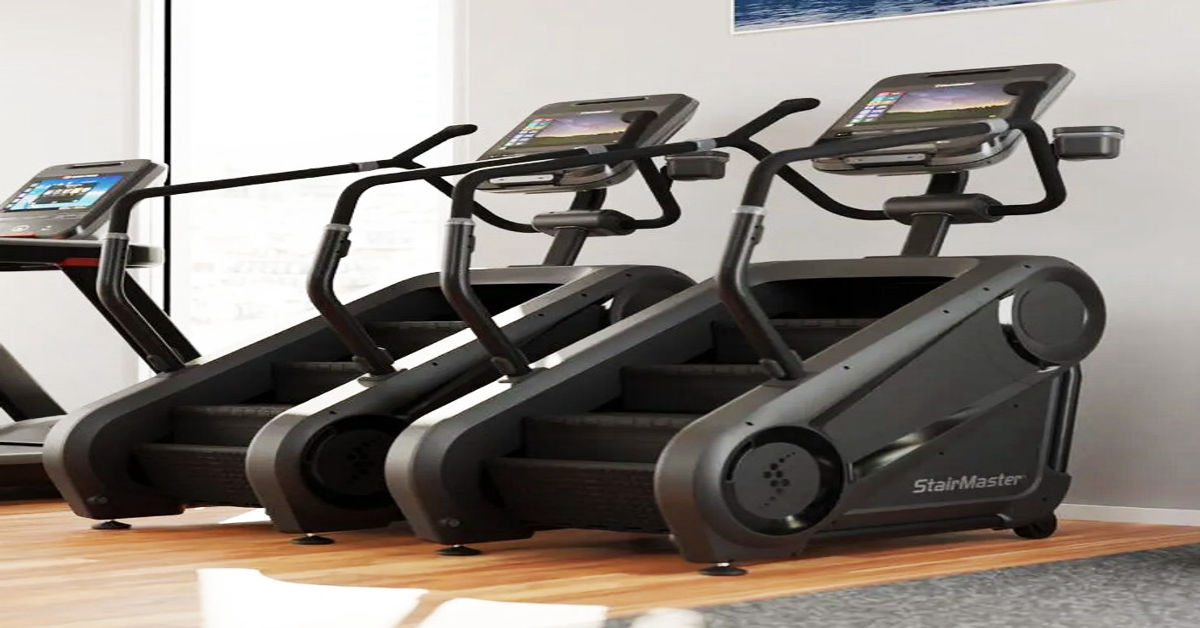
The StairMaster has become one of the most recognizable and effective cardio machines in gyms and fitness centers around the world. Known for its rotating staircase design and intense calorie-burning potential, the StairMaster bridges the gap between cardiovascular endurance training and lower-body strength conditioning. Unlike many traditional cardio machines that allow momentum to assist movement, the StairMaster requires continuous effort, making it both physically demanding and highly rewarding. This comprehensive guide explores what the StairMaster is, how it works, the muscles it targets, the benefits it offers, how to use it correctly, and how it compares to other cardio equipment, all explained in original, detailed, and easy-to-understand language.
What Is a StairMaster and How It Works
A StairMaster is a stationary fitness machine designed to simulate the motion of climbing stairs. Instead of moving forward like a treadmill or cycling in place like a stationary bike, the StairMaster features a rotating set of steps that continuously move downward. To stay in place, the user must keep stepping upward, creating a repetitive stair-climbing motion that engages both the cardiovascular system and major lower-body muscle groups.
The resistance level on a StairMaster can be adjusted, which controls the speed of the rotating steps. Lower levels are suitable for beginners or warm-ups, while higher levels demand greater muscular strength and cardiovascular endurance. Because gravity plays a role in every step, the StairMaster places consistent load on the legs, making it more challenging than many other cardio machines.
Why the StairMaster Is Considered High-Intensity Cardio
The StairMaster is often categorized as high-intensity cardio due to the constant vertical movement and lack of passive recovery. Unlike elliptical machines, where momentum can reduce effort, the StairMaster forces the body to lift itself against gravity with every step. This results in elevated heart rate, increased oxygen demand, and higher calorie expenditure over shorter periods.
Another factor contributing to its intensity is the involvement of large muscle groups such as the glutes, quadriceps, hamstrings, and calves. When these muscles work continuously, they require significant energy, which pushes the cardiovascular system to work harder. This makes the StairMaster particularly effective for improving aerobic capacity and endurance.
Muscles Targeted by the StairMaster
One of the most significant advantages of the StairMaster is its ability to engage multiple muscle groups simultaneously. While it is primarily known as a lower-body machine, it also activates core and stabilizing muscles.
| Muscle Group | Role During StairMaster Use |
|---|---|
| Glute muscles | Primary driver of upward motion |
| Quadriceps | Extend the knee during stepping |
| Hamstrings | Assist in hip extension and balance |
| Calves | Stabilize ankles and push off steps |
| Core muscles | Maintain posture and balance |
| Hip flexors | Lift the legs during stepping |
Because these muscles are engaged repetitively under load, the StairMaster not only improves muscular endurance but can also contribute to muscle toning when used consistently.
Cardiovascular Benefits of StairMaster Training
StairMaster workouts significantly improve cardiovascular health by increasing heart rate and improving circulation. Regular use strengthens the heart muscle, allowing it to pump blood more efficiently throughout the body. Over time, this can lead to improved stamina, reduced resting heart rate, and better oxygen utilization.
StairMaster training also supports lung capacity by increasing breathing demand. This improved respiratory efficiency benefits not only athletic performance but also daily activities such as climbing real stairs, walking uphill, or carrying heavy loads.
Calorie Burn and Weight Management
The StairMaster is widely regarded as one of the most effective machines for calorie burning. Because it combines resistance and continuous movement, it burns more calories per minute than many other cardio machines when used at moderate to high intensity.
| Activity | Approximate Calorie Burn (30 min) |
|---|---|
| StairMaster | High |
| Treadmill walking | Moderate |
| Stationary cycling | Moderate |
| Elliptical | Moderate |
| Rowing machine | Moderate to high |
Calorie expenditure varies based on factors such as body weight, fitness level, resistance setting, and workout duration. When incorporated into a structured fitness routine, the StairMaster can support fat loss and weight management goals effectively.
StairMaster for Strength and Muscle Toning
Although the StairMaster is primarily a cardio machine, it also provides resistance-based movement that contributes to strength development. The constant stepping motion strengthens the glutes and legs, especially when higher resistance levels are used or when steps are taken slowly and deliberately.
Using minimal hand support increases muscle engagement, forcing the legs and core to carry more of the workload. Over time, this can improve muscle definition and lower-body power, particularly in the glutes and thighs.
Proper StairMaster Form and Technique
Using correct form on the StairMaster is essential for maximizing benefits and minimizing injury risk. Poor posture or excessive reliance on handrails can reduce effectiveness and strain joints.
Key technique guidelines include maintaining an upright torso, engaging the core, and placing the entire foot on each step. Leaning heavily on the handrails should be avoided, as it shifts effort away from the legs and reduces calorie burn. Steps should be controlled rather than rushed, emphasizing steady rhythm and balance.
Common Mistakes to Avoid on the StairMaster
Many users unknowingly reduce the effectiveness of their workouts by making avoidable mistakes. Excessive handrail use is one of the most common issues, as it decreases lower-body engagement. Another mistake is setting the resistance too high too quickly, which can lead to poor form and early fatigue.
Skipping warm-ups and cooldowns is also problematic. Because StairMaster workouts are intense, muscles and joints benefit from gradual preparation and recovery. Ignoring these phases increases the risk of muscle strain and soreness.
StairMaster Workout Variations
One of the strengths of the StairMaster is its versatility. It supports various workout styles depending on fitness goals.
Steady-state workouts involve maintaining a consistent pace for an extended period, which improves endurance and supports fat burning. Interval workouts alternate between high-intensity bursts and recovery periods, enhancing cardiovascular capacity and calorie burn. Side-stepping and backward stepping variations can shift emphasis to different muscle groups, adding variety and preventing plateaus.
Sample StairMaster Workout Structure
| Phase | Duration | Description |
|---|---|---|
| Warm-up | 5 minutes | Low resistance, slow pace |
| Main workout | 15–25 minutes | Moderate to high intensity |
| Intervals (optional) | 5–10 minutes | Alternating fast and slow |
| Cooldown | 5 minutes | Gradually reduced pace |
This structure allows users to customize sessions based on time availability and fitness level.
StairMaster vs Other Cardio Machines
Comparing the StairMaster to other cardio machines highlights its unique benefits.
| Machine | Key Advantage | Limitation |
|---|---|---|
| StairMaster | High calorie burn, glute activation | High intensity, challenging |
| Treadmill | Natural movement | Joint impact |
| Elliptical | Low-impact | Less resistance |
| Bike | Joint-friendly | Limited muscle engagement |
| Rower | Full-body workout | Technique-dependent |
The StairMaster stands out for combining cardio and resistance in a compact, efficient format.
Who Should Use the StairMaster
The StairMaster is suitable for a wide range of individuals, from fitness enthusiasts to athletes seeking conditioning. However, beginners should start at lower resistance levels and shorter durations to allow the body to adapt.
People with knee or joint issues should consult a fitness professional or healthcare provider before using the StairMaster, as the repetitive stepping motion can place stress on joints if not performed correctly.
Safety Considerations and Injury Prevention
Safety is a critical aspect of StairMaster use. Wearing supportive footwear with proper grip reduces the risk of slipping. Staying hydrated and listening to the body’s signals helps prevent overexertion.
Stopping the workout immediately if dizziness, sharp pain, or unusual discomfort occurs is essential. Gradual progression in intensity and duration is safer than sudden increases.
Incorporating StairMaster Into a Fitness Routine
The StairMaster can be used as a primary cardio workout or as a conditioning tool after strength training. Many people incorporate it two to four times per week, depending on fitness goals.
Combining StairMaster sessions with resistance training, flexibility exercises, and rest days creates a balanced fitness program that supports overall health and performance.
Mental Benefits of StairMaster Training
Beyond physical improvements, StairMaster workouts also provide mental benefits. The rhythmic stepping motion can enhance focus and mental resilience. Completing challenging sessions builds confidence and discipline, reinforcing positive exercise habits.
The intensity of StairMaster workouts often leads to the release of endorphins, improving mood and reducing stress levels.
Long-Term Results From Consistent Use
Consistent StairMaster use leads to noticeable improvements in endurance, leg strength, and cardiovascular efficiency. Over time, users may find everyday activities such as climbing stairs or walking uphill easier and less tiring.
These long-term adaptations reflect improved muscular efficiency and aerobic conditioning, making the StairMaster a valuable tool for sustainable fitness.
Final Thoughts on the StairMaster
The StairMaster is more than just a cardio machine; it is a powerful training tool that combines cardiovascular conditioning, muscular endurance, and mental toughness. Its ability to deliver high-intensity workouts in a relatively short time makes it ideal for people seeking efficient and effective exercise solutions.
By using proper form, varying workouts, and integrating StairMaster training into a balanced routine, individuals can achieve significant health and fitness benefits. Whether the goal is weight loss, endurance improvement, or lower-body strength, the StairMaster offers a challenging yet rewarding path toward better fitness.
Frequently Asked Questions
1. Is the StairMaster good for weight loss?
Yes, it burns a high number of calories and supports fat loss when combined with proper nutrition.
2. How long should a StairMaster workout last?
Workouts typically range from 20 to 45 minutes depending on fitness level and intensity.
3. Does the StairMaster build muscle?
It improves muscle endurance and tone, especially in the glutes and legs.
4. Is the StairMaster safe for beginners?
Yes, when started at low intensity with correct form and gradual progression.
5. Can I use the StairMaster every day?
Daily use is possible, but rest days or alternating intensities help prevent overuse injuries.