
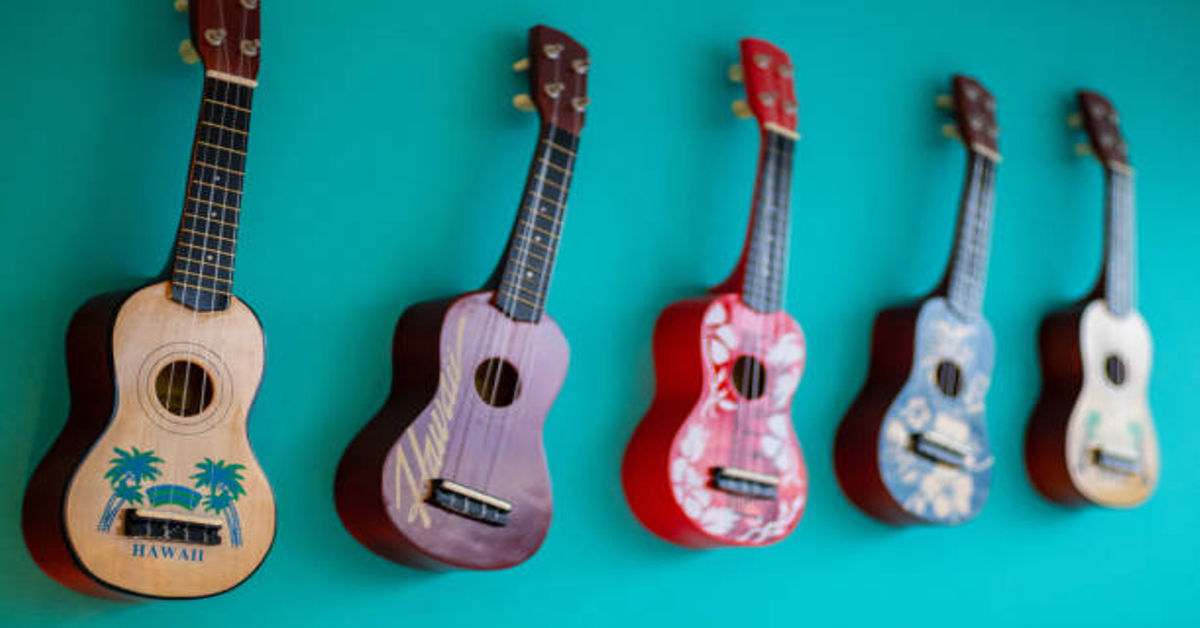
The ukulele is a small, stringed instrument that carries a surprisingly rich and global history. Though often associated with lighthearted music, beaches, and casual performance, the ukulele’s story is deeply connected to migration, cultural exchange, adaptation, and identity. Its journey from European roots to becoming a symbol of Hawaiian culture and later a worldwide musical phenomenon reflects how instruments evolve alongside human movement and creativity.
Understanding ukulele history is not just about tracing dates and places. It is about understanding how music travels, how communities adapt external influences, and how a simple instrument can carry emotional, cultural, and artistic meaning across generations. From royal courts to street performances, from traditional folk songs to modern pop music, the ukulele has continuously reinvented itself while maintaining its unique charm.
This article explores the full historical development of the ukulele, from its origins and early influences to its rise in popularity, decline, revival, and modern global presence. It is written in original language, with depth and clarity, focusing on cultural context rather than relying on external references.
Early Stringed Instrument Origins in Europe
To understand the ukulele’s beginnings, one must look first to Europe, particularly to small stringed instruments that predate it by centuries. Instruments such as the cavaquinho, braguinha, and machete were commonly played in parts of Portugal, especially on the island of Madeira. These instruments were compact, portable, and designed for melodic and rhythmic accompaniment rather than orchestral performance.
European string instruments evolved through folk traditions rather than formal classical institutions. They were accessible to ordinary people, easy to carry, and suitable for communal gatherings. Their tuning systems, construction methods, and playing styles emphasized simplicity and expressiveness rather than complexity.
These early instruments were typically made from locally available woods and featured gut strings, which produced a warm, soft tone. Over time, their design became standardized enough to be easily reproduced, making them ideal instruments to travel with migrating populations.
Migration and the Instrument’s Arrival in Hawaii
The most significant turning point in ukulele history occurred in the late nineteenth century when Portuguese laborers migrated to Hawaii. These workers were brought to work on sugar plantations and carried their musical traditions with them, including their small stringed instruments.
Music was an important part of community life for these immigrants. They played their instruments during celebrations, social gatherings, and moments of rest. Hawaiian locals were exposed to these unfamiliar sounds and quickly became intrigued by both the instruments and the music being played.
The Hawaiian people already had a strong musical culture rooted in chanting, vocal harmony, and percussion. The introduction of stringed instruments added a new dimension to this tradition. Rather than replacing existing musical forms, the new instruments blended with them, creating something unique.
Birth of the Ukulele in Hawaiian Culture
As Hawaiians adopted the Portuguese instruments, they began to modify them to suit local preferences. Changes were made to size, tuning, and construction. Over time, these adaptations resulted in a distinct instrument that differed from its European ancestors.
The name “ukulele” emerged during this period. Though interpretations vary, it is commonly understood to reference the quick movement of fingers across the strings, reflecting the lively playing style that became characteristic of the instrument. Regardless of the precise origin of the name, it clearly demonstrates how the instrument was integrated into Hawaiian language and culture.
Hawaiian musicians embraced the ukulele not as a foreign novelty but as an expressive tool that complemented traditional melodies and storytelling. It became closely associated with hula performances, royal events, and community celebrations.
Royal Patronage and Cultural Validation
One of the most important factors in the ukulele’s acceptance and growth in Hawaii was royal patronage. Hawaiian royalty recognized the instrument’s potential and actively supported its use. When an instrument is embraced by cultural leaders, it gains legitimacy and symbolic importance.
Royal support helped establish the ukulele as more than entertainment. It became a representation of cultural adaptation and creativity. Hawaiian composers began writing original music specifically for the instrument, further distinguishing it from its European predecessors.
This period solidified the ukulele’s identity as a Hawaiian instrument, even though its roots lay elsewhere. The blending of cultures was not seen as dilution but as innovation.
Construction Evolution and Standardization
As the ukulele gained popularity, craftsmen began refining its construction. Early ukuleles varied widely in shape and size, but demand encouraged standardization. Woods native to Hawaii were often used, contributing to the instrument’s distinct tone.
Different sizes emerged, each offering unique sound characteristics. Smaller instruments produced brighter, higher-pitched tones, while larger versions offered greater depth and resonance. This variation allowed musicians to choose instruments suited to their style and performance context.
Advances in string materials and manufacturing techniques also influenced sound quality and durability. Over time, ukulele construction became more consistent, making the instrument accessible to a broader audience.
Spread Beyond Hawaii to the Mainland
The ukulele’s journey beyond Hawaii began in the early twentieth century when Hawaiian music gained international attention. Performers traveled to mainland venues, showcasing Hawaiian culture through song, dance, and instrumental performance.
Audiences were captivated by the ukulele’s cheerful sound and approachable appearance. Unlike larger or more complex instruments, it seemed friendly and unintimidating. This accessibility played a major role in its rapid adoption.
Music publishers and manufacturers recognized its commercial potential. Sheet music, recordings, and mass-produced instruments flooded the market, transforming the ukulele from a regional cultural symbol into a mainstream musical product.
The Ukulele Boom of the Early Twentieth Century
The early twentieth century marked a significant boom in ukulele popularity, particularly in the United States. The instrument became associated with leisure, optimism, and modern entertainment. Its presence in vaudeville shows, radio broadcasts, and early recordings reinforced its popularity.
The ukulele’s simple chord structures made it ideal for group singing and amateur musicians. Families could gather around and play together without formal training. This social aspect strengthened its appeal during a time when communal entertainment was central to daily life.
During this era, the ukulele symbolized joy and escapism, offering lighthearted relief during periods of economic and social uncertainty.
Decline and Shifting Musical Trends
Despite its popularity, the ukulele experienced periods of decline as musical tastes evolved. Larger, louder instruments such as the guitar became more prominent, particularly with the rise of jazz, blues, and later rock music.
The ukulele’s association with novelty and simplicity sometimes worked against it. It was dismissed by some as a toy rather than a serious instrument. As musical styles demanded greater volume and complexity, the ukulele faded from mainstream prominence.
However, it never disappeared entirely. It remained present in educational settings, niche musical communities, and traditional Hawaiian culture, quietly awaiting revival.
Revival Through Education and Folk Music
The ukulele’s resurgence began through education and folk music movements. Teachers recognized its value as an introductory instrument due to its manageable size and ease of learning. Schools incorporated it into music programs, introducing new generations to its sound.
Folk musicians also rediscovered the ukulele’s expressive potential. They demonstrated that simplicity could coexist with artistry, using the instrument for storytelling, social commentary, and experimentation.
This revival reframed the ukulele not as a novelty but as a legitimate musical voice capable of emotional depth and technical skill.
Modern Global Popularity
In recent decades, the ukulele has experienced a global revival. Musicians across genres have embraced it, using it in pop, indie, jazz, and experimental music. Digital platforms have played a major role, allowing performers to share ukulele-based music with international audiences.
The instrument’s portability and affordability continue to attract new players. Online tutorials, communities, and collaborations have created a worldwide network of ukulele enthusiasts.
This modern popularity reflects the instrument’s adaptability. While its sound remains recognizable, its applications continue to expand.
Cultural Significance and Identity
The ukulele’s history raises important questions about cultural identity and exchange. Though rooted in European instruments, it became deeply intertwined with Hawaiian culture. This transformation highlights how cultures influence each other without losing authenticity.
Respecting the ukulele’s history involves acknowledging both its origins and its adopted identity. It stands as an example of how cultural exchange can produce something new and meaningful.
For many, the ukulele represents connection, joy, and creativity. Its small size belies its powerful ability to bring people together.
Ukulele Sizes and Their Historical Development
| Size | Historical Role | Sound Character |
|---|---|---|
| Soprano | Original traditional form | Bright and light |
| Concert | Later adaptation | Balanced tone |
| Tenor | Performance-focused | Deeper resonance |
| Baritone | Modern extension | Rich and full |
This table illustrates how the instrument evolved to meet diverse musical needs while maintaining its core identity.
Influence on Music Education
The ukulele has become a cornerstone of music education worldwide. Its simple chord structures help students grasp musical fundamentals quickly. This educational role reinforces its historical position as an accessible instrument for all.
By introducing children and beginners to music, the ukulele continues to shape future generations of musicians.
The Ukulele as a Symbol of Simplicity and Joy
Throughout its history, the ukulele has consistently symbolized joy, accessibility, and human connection. Its sound evokes warmth and optimism, making it a powerful emotional instrument despite its simplicity.
This symbolic role has remained constant even as musical trends change. The ukulele’s ability to adapt while retaining its essence is central to its enduring appeal.
Preservation of Traditional Hawaiian Ukulele Music
Preserving traditional styles remains an important part of ukulele history. Cultural practitioners continue to teach and perform music that honors the instrument’s Hawaiian roots.
This preservation ensures that innovation does not erase tradition but builds upon it respectfully.
Ukulele in Contemporary Composition
Modern composers use the ukulele in innovative ways, exploring extended techniques and unconventional tunings. This experimentation demonstrates that the instrument’s potential is far from exhausted.
The ukulele’s history is still being written through contemporary creativity.
Conclusion: A Small Instrument With a Lasting Legacy
Ukulele history is a story of migration, adaptation, and resilience. From European folk roots to Hawaiian cultural integration and global recognition, the instrument has continually evolved while maintaining its core identity.
Its journey reflects the power of music to transcend boundaries and connect people across cultures and generations. The ukulele may be small in size, but its historical and cultural significance is immense.
Frequently Asked Questions
Where did the ukulele originally come from
It evolved from small European string instruments brought to Hawaii by Portuguese immigrants.
Why is the ukulele associated with Hawaii
Hawaiian musicians adopted and transformed the instrument, making it central to their musical culture.
How did the ukulele become popular worldwide
Through performances, recordings, education, and its approachable design, it spread internationally.
Did the ukulele ever lose popularity
Yes, it declined during certain musical eras but later experienced strong revivals.
Why is the ukulele still popular today
Its simplicity, portability, and expressive sound make it appealing across generations and genres.