
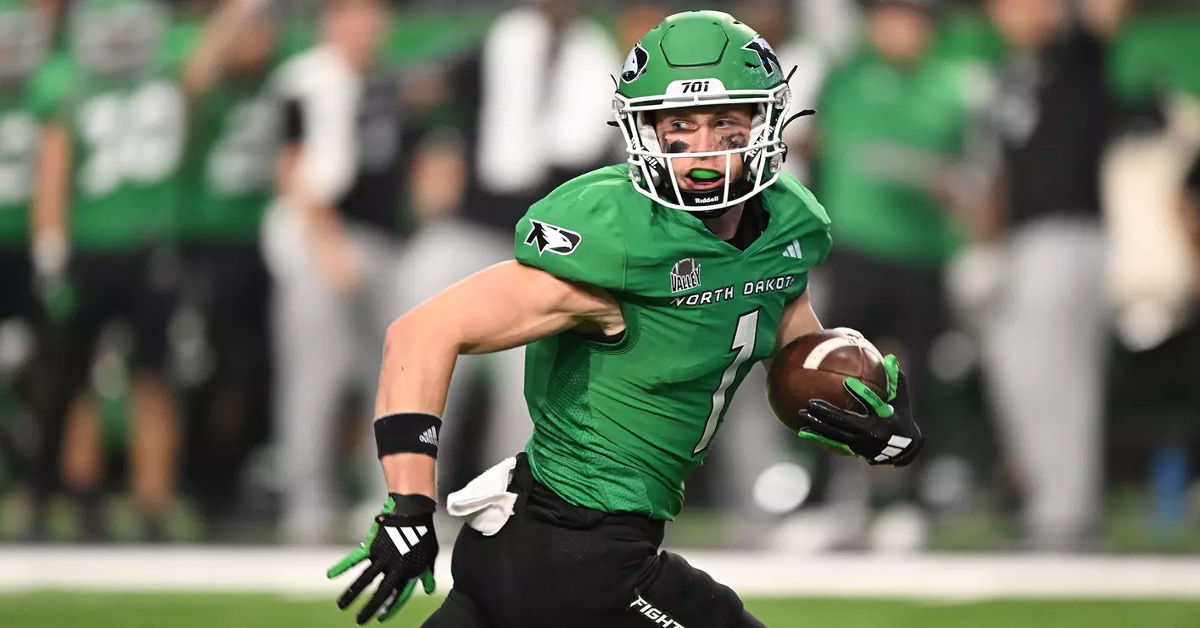
The matchup discussion of UND vs Kansas State brings together two collegiate athletic programs that operate at very different scales yet share a commitment to discipline, development, and competitive identity. While Kansas State is widely recognized for its presence in a major conference and its long-standing football tradition, the University of North Dakota has steadily built a respected athletic culture rooted in resilience, regional pride, and methodical growth. Comparing these two programs requires more than just looking at win-loss records. It involves understanding their histories, recruiting philosophies, facilities, coaching structures, and broader institutional goals.
This article presents an in-depth, original examination of UND vs Kansas State, focusing on football as the primary comparison point while also touching on the broader athletic ecosystems that shape each program.
Program Identity and Institutional Background
University of North Dakota Athletic Foundation
North Dakota Fighting Hawks represent a university with a strong regional identity and a tradition of athletic toughness shaped by climate, geography, and community support. UND transitioned to NCAA Division I competition fully in the modern era, and this shift required a cultural and structural transformation. The Fighting Hawks are known for emphasizing physical preparation, player development, and academic balance.
The UND athletic program prioritizes sustainability and long-term competitiveness rather than rapid expansion. This philosophy influences everything from scheduling to recruiting and player retention. Rather than relying heavily on five-star prospects, UND focuses on athletes with growth potential and adaptability.
Kansas State University Athletic Tradition
Kansas State Wildcats are synonymous with consistency, discipline, and overachievement relative to recruiting rankings. Kansas State competes in a Power Five conference environment, which shapes its exposure, funding, and competitive expectations. The Wildcats have built their reputation on player development, strong defensive schemes, and a culture that values effort and accountability.
Kansas State’s athletic identity is rooted in the belief that structure and coaching can elevate players beyond perceived limitations. This philosophy has allowed the program to remain competitive against schools with larger recruiting footprints.
Competitive Levels and Conference Influence
One of the most significant distinctions in UND vs Kansas State lies in their competitive environments. UND operates within a conference structure that emphasizes regional competition and developmental growth. Kansas State, by contrast, faces weekly competition against nationally recognized programs, which affects everything from game speed to media attention.
Conference affiliation influences recruiting visibility, television exposure, and financial resources. Kansas State benefits from broader national exposure, while UND leverages regional loyalty and tight-knit fan engagement. Neither approach is inherently superior, but each shapes the program’s priorities and strategies.
Historical Development of Football Programs
Evolution of UND Football
UND football has undergone a methodical evolution marked by strategic transitions and institutional commitment. Moving into Division I required upgrades in facilities, coaching depth, and recruiting pipelines. The Fighting Hawks embraced this challenge by focusing on incremental improvement rather than immediate dominance.
Over time, UND has developed a reputation for producing fundamentally sound players who can adapt to complex systems. Their historical growth reflects patience and alignment between athletic leadership and academic mission.
Kansas State’s Rise to National Relevance
Kansas State’s football history is often cited as an example of program transformation through culture and leadership. Once considered a struggling program, the Wildcats redefined themselves through disciplined coaching, consistent systems, and player accountability.
This rise was not fueled by sudden talent influx but by a clear identity that emphasized preparation and execution. Kansas State’s historical arc demonstrates how stability and vision can elevate a program over decades.
Coaching Philosophy and Leadership Structure
UND Coaching Approach
UND coaches emphasize adaptability and teaching. Practices are designed to maximize learning efficiency, with a focus on situational awareness and fundamentals. Player development is central, as many athletes arrive with raw potential rather than polished skill sets.
Leadership within the UND program encourages collaboration and accountability. Coaches often play multiple roles, fostering strong relationships with athletes and reinforcing trust.
Kansas State Coaching Culture
Kansas State’s coaching philosophy centers on discipline, repetition, and clarity of roles. Each player understands their responsibilities within the system, reducing mental errors during high-pressure situations.
The Wildcats prioritize continuity in coaching staff, which allows systems to mature and players to develop within a stable framework. This consistency is a defining advantage in high-level competition.
Recruiting Strategies and Talent Development
Recruiting represents another key contrast in UND vs Kansas State. Kansas State recruits nationally, targeting athletes who may be undervalued by larger programs but possess the traits needed to succeed in structured systems. UND, meanwhile, focuses heavily on regional recruiting while selectively expanding its reach.
UND’s recruiting strategy values versatility and coachability. Many players are multi-sport athletes with high football intelligence. Kansas State seeks players who can fit into specific roles and develop over time, often redshirting to build physical readiness.
Facilities and Training Infrastructure
Facilities play a critical role in athlete development. Kansas State benefits from modern training complexes, advanced sports science resources, and extensive support staff. These assets allow for detailed performance monitoring and recovery protocols.
UND has invested steadily in its facilities, emphasizing functionality and efficiency. While smaller in scale, UND’s infrastructure supports its development-focused approach and ensures athletes have access to essential resources.
Game Style and Tactical Tendencies
UND Tactical Identity
UND football is characterized by physical play, controlled tempo, and situational awareness. Offensively, the Fighting Hawks favor balanced schemes that adapt to personnel strengths. Defensively, they emphasize discipline and gap control.
This style reflects UND’s emphasis on fundamentals and preparation. Games are often decided by execution rather than explosive plays.
Kansas State Tactical Identity
Kansas State is known for structured offensive systems and disciplined defensive schemes. The Wildcats often excel in time-of-possession management and red-zone efficiency.
Their tactical approach minimizes mistakes and forces opponents to sustain long drives, increasing the likelihood of errors. This philosophy has proven effective against more athletically gifted opponents.
Statistical Comparison Framework
| Aspect | UND Fighting Hawks | Kansas State Wildcats |
|---|---|---|
| Competitive Level | Division I (FCS/FBS transition context) | Division I FBS Power Conference |
| Recruiting Reach | Regional with selective national | National |
| Playing Style | Physical and balanced | Structured and disciplined |
| Development Focus | Skill growth and adaptability | System fit and consistency |
| Exposure | Regional media | National media |
This table highlights structural differences rather than performance superiority, reinforcing that each program operates within its own context.
Academic Integration and Athlete Support
Both UND and Kansas State emphasize the academic success of student-athletes. UND’s smaller program size allows for personalized academic support, with advisors closely monitoring progress. Kansas State offers comprehensive academic services backed by extensive institutional resources.
In both programs, graduation rates and academic eligibility are viewed as indicators of program health, not secondary considerations.
Fan Base and Community Engagement
UND enjoys strong local and regional support, with fans deeply connected to the program’s identity. Game days often reflect community pride and tradition. Kansas State, meanwhile, benefits from a large, passionate fan base with national reach.
Community engagement influences recruiting, fundraising, and athlete morale. Both programs prioritize maintaining strong relationships with their supporters.
Hypothetical Matchup Analysis
In a hypothetical UND vs Kansas State game, differences in depth and speed would likely be evident. Kansas State’s experience against high-level competition could provide an advantage in late-game situations. However, UND’s disciplined approach and physicality could challenge Kansas State, particularly in the early phases of the game.
Such a matchup would likely hinge on turnovers, special teams execution, and adaptability. It would serve as a valuable learning opportunity for UND and a test of consistency for Kansas State.
Long-Term Program Outlook
UND’s trajectory suggests continued growth and competitiveness within its conference and beyond. Strategic investments and stable leadership position the program for sustainable success.
Kansas State’s outlook remains strong due to its entrenched culture and ability to adapt to changing collegiate landscapes. Continued emphasis on development ensures relevance in an evolving sport.
Broader Significance of UND vs Kansas State Comparisons
Comparing UND vs Kansas State is less about declaring a superior program and more about understanding how different models succeed in college athletics. Each represents a valid approach shaped by resources, philosophy, and institutional goals.
These comparisons highlight the diversity of collegiate sports and the multiple pathways to competitiveness and respect.
Final Perspective
The discussion of UND vs Kansas State underscores the complexity of college football beyond rankings and headlines. UND exemplifies growth, resilience, and regional pride, while Kansas State represents consistency, structure, and national competitiveness. Both programs contribute meaningfully to the collegiate athletic landscape, offering valuable lessons in leadership, development, and cultural identity.
Frequently Asked Questions
1. Are UND and Kansas State in the same athletic division?
No, they compete in different competitive environments, with Kansas State participating at a higher conference exposure level.
2. Has UND ever played Kansas State in football?
Such matchups are rare and typically occur as non-conference games if scheduled.
3. Which program focuses more on player development?
Both emphasize development, though UND relies more heavily on long-term growth strategies.
4. How does conference affiliation affect recruiting?
Conference visibility significantly impacts recruiting reach, media exposure, and athlete perception.
5. Can UND compete with Power Conference teams like Kansas State?
UND can be competitive in specific scenarios, particularly through discipline and preparation, though depth remains a challenge.