
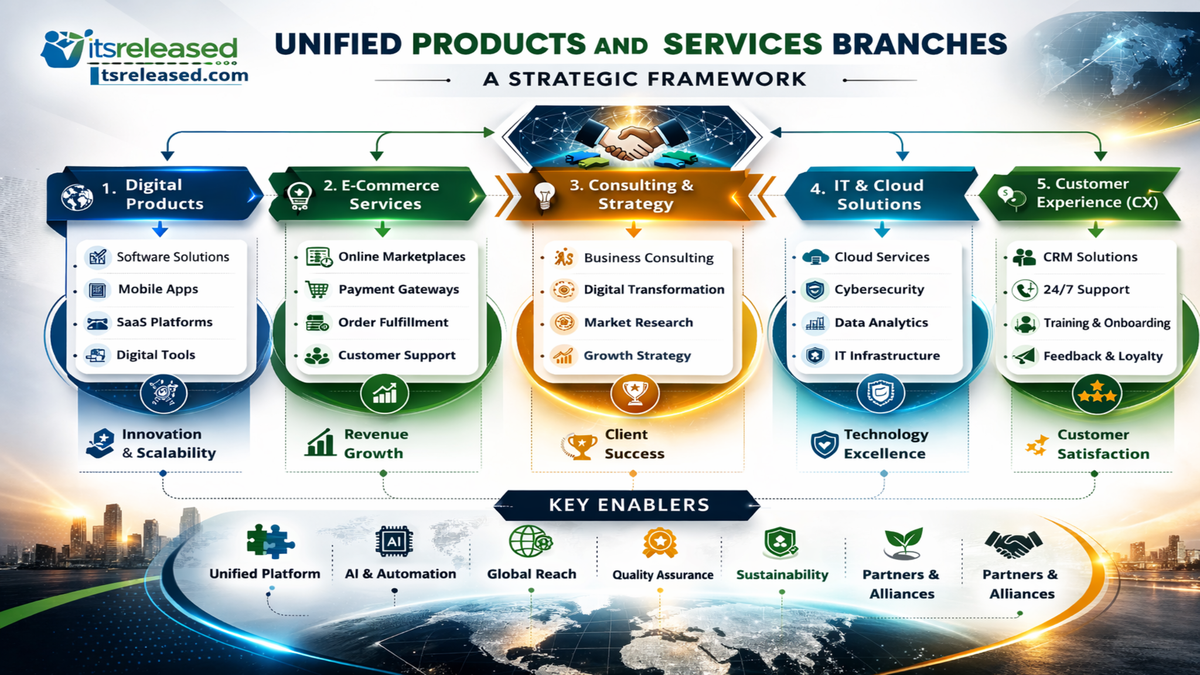
i approach the idea of unified products and services branches from years of observing how organizations struggle with fragmentation. In many companies, products live in one silo, services in another, and customer experience somewhere in between. This separation often feels natural at first, yet over time it creates inefficiencies, duplicated costs, and inconsistent value delivery. A unified branch model attempts to solve that by bringing products and services together under a shared strategic, operational, and customer focused structure.
Unified products and services branches represent an organizational approach where offerings are designed, managed, delivered, and evolved as a connected system rather than isolated units. Instead of treating products as static outputs and services as afterthoughts, this model recognizes that modern value creation depends on their integration. Customers no longer buy only a product or only a service. They expect outcomes, continuity, and support across the entire lifecycle.
This article explores unified products and services branches in depth, examining their structure, benefits, challenges, operational design, and long term impact. I focus on principles rather than borrowed frameworks, drawing on practical reasoning and real organizational patterns rather than external sources. The goal is to provide a clear, adaptable understanding that leaders, managers, and strategists can apply across industries.
Understanding Unified Products and Services Branches


At its core, a unified products and services branch is an organizational unit responsible for both tangible offerings and the services that support, extend, or personalize them. This branch owns the full value journey, from design and development to delivery, support, and continuous improvement.
Traditional structures separate product teams and service teams based on function. Unified branches instead organize around value domains or customer needs. For example, rather than having a product department and a service department, an organization may create a single branch responsible for a complete solution. That branch includes product designers, engineers, service managers, support specialists, and customer experience roles working together.
This structure reflects how customers actually experience value. They interact with products through services and judge services through the quality of the products behind them. A unified branch aligns internal operations with this external reality, reducing friction and misalignment.
Why Organizations Move Toward Unification
i have seen many organizations reach a point where growth exposes the limits of separation. As offerings expand, coordination costs rise. Teams argue over ownership, priorities drift, and customer issues fall between departments. Unified products and services branches emerge as a response to this complexity.
One key driver is customer expectation. Customers expect seamless experiences, consistent quality, and fast resolution of issues. When products and services operate separately, customers often face delays, conflicting information, or fragmented support. Unification allows organizations to respond as a single system rather than a collection of departments.
Another driver is efficiency. Shared planning, shared data, and shared accountability reduce redundancy. Instead of parallel roadmaps and disconnected metrics, unified branches operate with common goals and integrated performance indicators.
Core Components of a Unified Branch
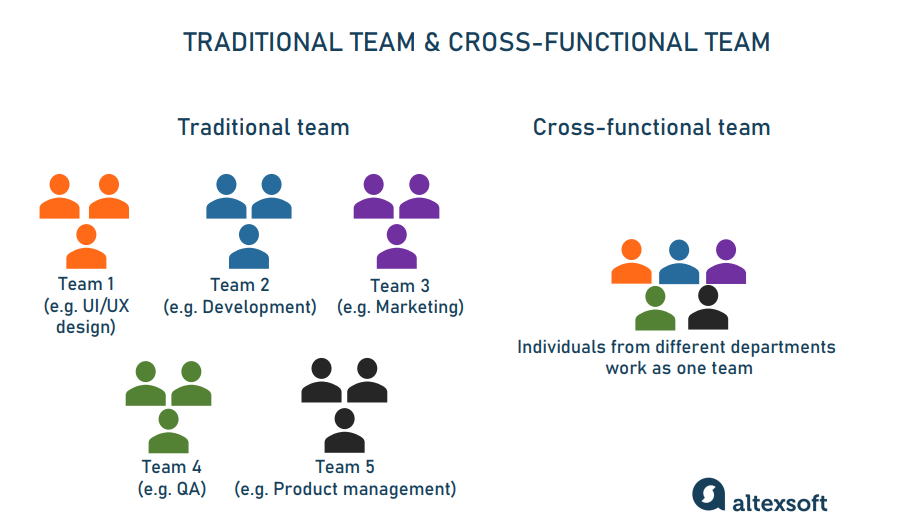

A unified products and services branch typically consists of several tightly connected components. First is strategic ownership. The branch defines its mission, target customers, and value proposition. This clarity guides both product development and service design.
Second is cross functional teams. These teams combine technical, operational, and customer facing roles. Rather than handing work off between departments, teams collaborate continuously, reducing delays and misunderstandings.
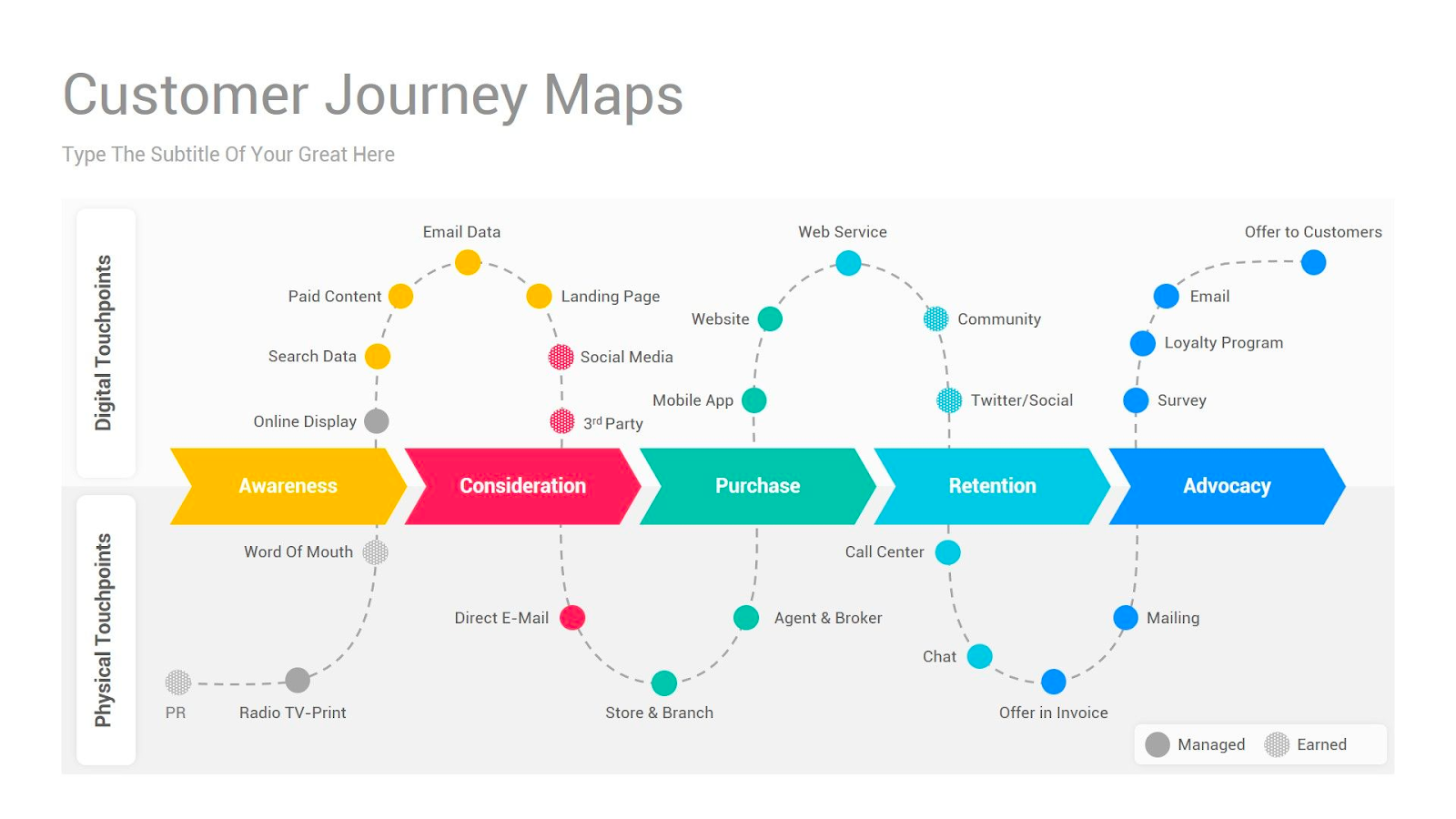
Third is lifecycle management. The branch manages offerings from initial concept through launch, growth, maturity, and evolution. Services are not added later but designed alongside products from the beginning.
Finally, feedback integration plays a central role. Customer insights from service interactions inform product improvements, while product data shapes service enhancements. This feedback loop strengthens adaptability and resilience.
Strategic Advantages of Unified Structures
Unified products and services branches offer strategic advantages that extend beyond operational efficiency. One major advantage is faster innovation. When product and service insights flow freely, organizations identify unmet needs more quickly and respond with integrated solutions.
Another advantage is stronger accountability. A single branch owns outcomes rather than outputs. This shifts focus from delivering features or completing tasks to delivering value and results. Teams measure success through customer satisfaction, retention, and long term impact.
Brand consistency also improves. Customers experience a coherent identity across products and services, reinforcing trust. This consistency becomes a competitive differentiator, particularly in markets where alternatives are abundant.
Operational Design and Governance
Designing governance for unified branches requires careful balance. Too much central control can stifle flexibility, while too little can create confusion. Effective governance defines clear decision rights, escalation paths, and performance metrics without reintroducing silos.
Leadership within a unified branch often combines product leadership and service leadership into a single accountable role or a closely aligned leadership pair. This ensures that decisions consider both perspectives simultaneously.
Operational processes emphasize shared planning cycles, integrated roadmaps, and common review forums. These mechanisms keep teams aligned while allowing autonomy at the execution level.
Technology as an Enabler


Technology plays a crucial role in enabling unified products and services branches. Integrated platforms allow teams to share data, track performance, and coordinate activities in real time. Without such tools, unification risks becoming superficial rather than functional.
Customer data platforms unify insights from product usage and service interactions. Analytics tools reveal patterns that inform design and improvement decisions. Workflow systems connect development, delivery, and support processes into a single operational fabric.
The key is alignment between technology and structure. Tools should reinforce collaboration rather than mirror old silos in digital form.
Cultural Shifts Required for Success
i have learned that structural change alone rarely delivers lasting results. Unified products and services branches require cultural shifts that value collaboration, shared ownership, and continuous learning.
Teams must move away from defensive boundaries and toward collective responsibility. This shift takes time and leadership commitment. Training, incentives, and communication all play a role in reinforcing desired behaviors.
A culture of experimentation also supports unification. When teams feel safe to test ideas and learn from feedback, integration becomes a source of creativity rather than conflict.
Measuring Performance in Unified Branches
Performance measurement changes significantly under a unified model. Traditional metrics focused on output volume or departmental efficiency give way to outcome oriented indicators.
Common metrics include customer satisfaction, lifetime value, service resolution quality, product adoption, and improvement cycle time. These metrics reflect the combined impact of products and services rather than isolated performance.
The table below illustrates a simplified comparison of traditional and unified performance perspectives.
| Focus Area | Traditional Structure | Unified Branch Structure |
|---|---|---|
| Ownership | Separate departments | Single accountable branch |
| Metrics | Output based | Outcome based |
| Feedback | Delayed and fragmented | Continuous and integrated |
| Customer View | Transactional | Lifecycle oriented |
Industry Applications and Variations
Unified products and services branches apply across many industries, though implementation varies. In manufacturing, unification often centers on product plus maintenance, support, and optimization services. In technology, it may involve software combined with onboarding, updates, and customer success functions.
In healthcare, unified branches integrate medical devices, digital tools, and patient services into cohesive care pathways. In education, learning platforms combine content, assessment, and support services under unified management.
Each context adapts the core principles to its regulatory, cultural, and operational realities.
Challenges and Risks
No organizational model is without challenges. Unified products and services branches face risks if implemented poorly. One risk is role confusion, where responsibilities become unclear. This can slow decision making and reduce accountability.
Another risk is overload. Combining product and service responsibilities may strain teams if resources and skills are insufficient. Leaders must ensure capacity matches ambition.
Resistance to change also poses a challenge. Employees accustomed to clear functional boundaries may struggle with new expectations. Addressing this requires empathy, communication, and gradual transition rather than abrupt restructuring.
Read: Iwara Explained: A Niche Platform Shaping Online Animation
Scaling Unified Branches
As organizations grow, unified branches must scale without losing coherence. This often involves creating multiple branches aligned to different value domains while maintaining shared standards and infrastructure.
Coordination mechanisms such as communities of practice, shared platforms, and strategic councils help balance autonomy and alignment. Scaling succeeds when unity of purpose coexists with diversity of execution.
The table below outlines key scaling considerations.
| Dimension | Small Scale | Large Scale |
|---|---|---|
| Structure | Single unified branch | Multiple coordinated branches |
| Governance | Informal alignment | Formal standards and forums |
| Technology | Shared basic tools | Enterprise integrated platforms |
| Culture | Direct collaboration | Distributed but connected teams |
Long Term Impact on Organizations
Over time, unified products and services branches reshape how organizations think about value. They encourage systems thinking, long term relationships, and adaptability. Instead of chasing short term outputs, organizations focus on sustainable outcomes.
This shift supports resilience in changing markets. When customer needs evolve, unified branches adjust both products and services together, maintaining relevance and trust.
The long term impact extends to talent as well. Employees develop broader skills and deeper understanding of how their work contributes to outcomes, increasing engagement and retention.
Conclusion
i conclude that unified products and services branches represent more than an organizational trend. They reflect a deeper recognition of how value is created and experienced in modern economies. By integrating products and services under shared ownership, organizations align internal structures with external realities.
Success depends on thoughtful design, supportive culture, enabling technology, and patient leadership. When these elements align, unified branches deliver faster innovation, stronger customer relationships, and sustainable growth. While the journey requires effort and adjustment, the rewards justify the commitment for organizations seeking long term relevance.
Read: jagdpanzer iv 70 irl in Real Life: Design, Combat, Legacy
FAQs
What are unified products and services branches?
They are organizational units that manage both products and related services together, owning the full value lifecycle from design to customer outcomes.
Why are unified branches important today?
They address fragmentation, improve customer experience, and align operations with how customers actually consume value.
Do unified branches replace traditional departments?
They often restructure or combine departments, but the goal is integration rather than elimination of expertise.
What industries benefit most from this model?
Manufacturing, technology, healthcare, education, and service intensive industries see strong benefits.
What is the biggest challenge in adopting unified branches?
Cultural resistance and unclear roles are the most common challenges, requiring careful change management.